

We started morning work with 3 passages from ReadWorks. I found 3 passages that were just-right for my three reading groups. Then, in reading groups, we used Leveled Readers from Reading A-Z. I know the Level U book is crazy-hard for 1st grade, but my highest group of readers can independently read Level N books. We worked as a group, and actually learned a lot of about sound. So, scaffolded – it worked!


Before we made our own musical instruments, Moby and Annie helped explain some of the new vocabulary we learning. Then, we took the ‘HARD’ quiz as a class and aced it!

Now, it was time to make our own InSTRAWments (pun intended)! This ‘experiment’ was from Ari’s Primary Science pack. I was able to snag the materials for under $3.00 since all I needed was straws (.98 a pack). The unifix cubes were for measuring the straws and each student needed their own pair of scissors.


That most difficult part of this shindig was assembling the pan flutes with tape. It was hard for the students to manage the tape with the 5 cut straws. Ultimately students ended up partnering (one person holding the tape and one person placing the straws), and it went much more smoothly!

We were SO proud of our instruments and had a fabulous time forming mini-bands. We played melodies with each other and put our sound vocabulary into action. We loved comparing the sounds of each straw, as well as, how the lengths affected the pitch. It was fabulous!

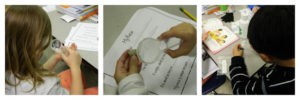
After a bit of experimenting with our instruments, we went back to our seats and diagramed our instruments. Tomorrow morning, we are going to explain how the lengths of the straws effected the pitch. We love writing paragraphs and get super excited to highlight vocabulary words we use. It’s the perfect chance to integrate science, music, and writing!

3 Responses
Do you use Next Generation science standards?
This year, I'm just beginning to get my feet wet with them and next year our school is adopting them!
Really nice post i am a teacher and its tell us how to teach since subject with new method and this teaching method i really like it thanks for share it personal statement examples for graduate school .