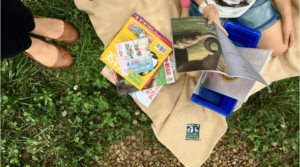

Guided Reading offers students intentional reading instruction with texts that are just a little too hard! From lesson planning to benchmarking students to word work activities, planning and preparing for Guided Reading can be overwhelming. Over the past 4 years, I have tested different group sizes, organizational systems, and group structures to see what works. So, here we go!
Throughout this post, you’ll find Amazon Affiliate links, which means Amazon tosses a few nickels my way if you purchase something through that link, at no extra cost to you, that help keep my corner of cyber-space running and helps fund giveaways!
Over the course of the first few weeks of school, I sneak in the time to meet with and benchmark all of my students. This is definitely a labor of love and times lots of time, but by having reading levels for all of my students I’m able to intentionally plan instruction! Without this information, I would be randomly pulling books and wasting our learning time. Our school uses Reading A-Z to benchmark students and print guided reading books.
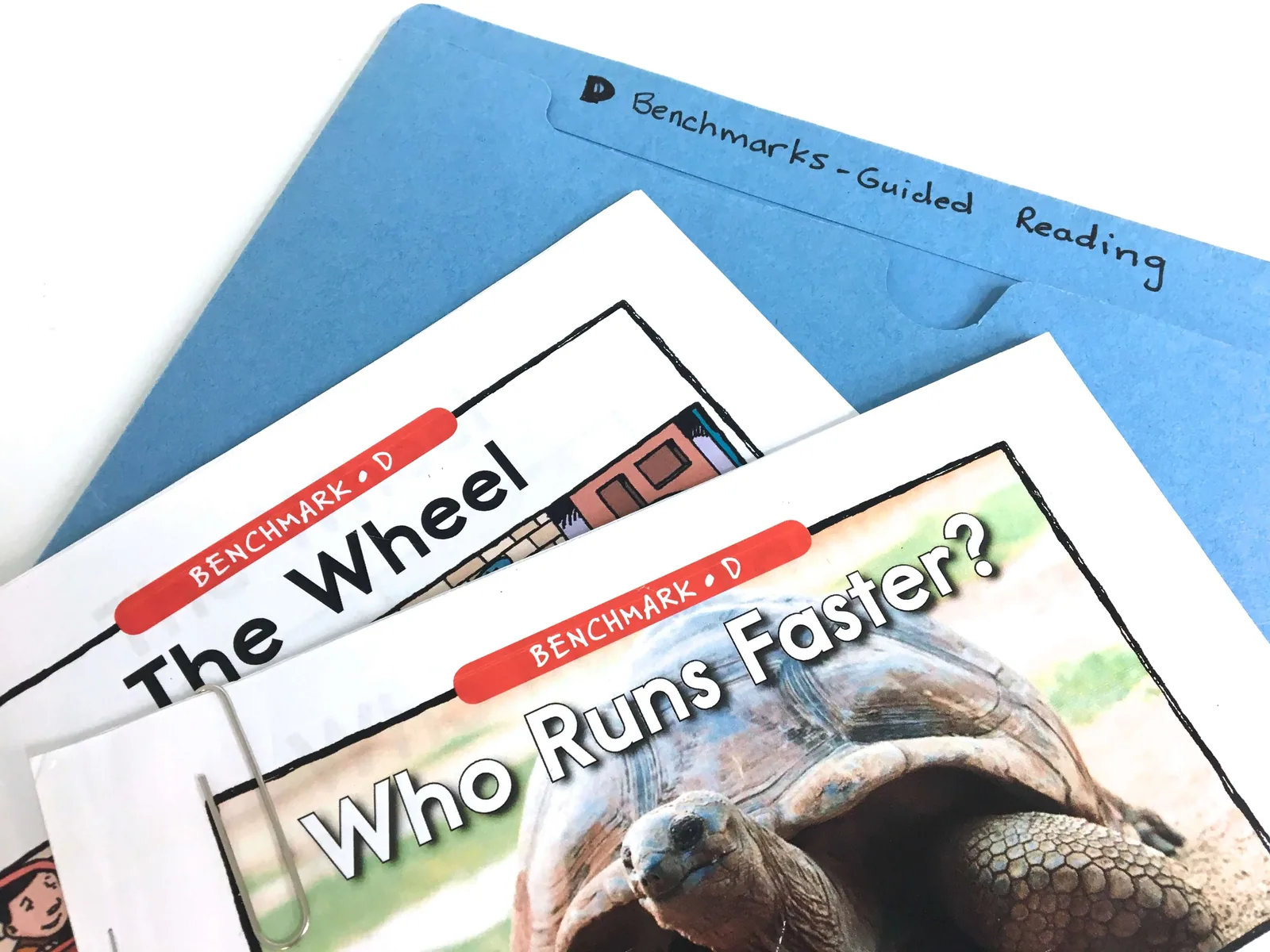
Once I have Reading Benchmarks, I list all of my students by Guided Reading Level. When I do this I put them under their independent level. Then, at the very bottom I choose my groups, listing their Instructional Level (the level at which I’ll work with students) and the amount of time I spend with groups. When I make groups, I always try to shoot for 6 students. This is the number recommended by Jan Richardson and Fountas & Pinnell. Sometimes 6 words and sometimes it doesn’t. You can snag an editable version of this table here.

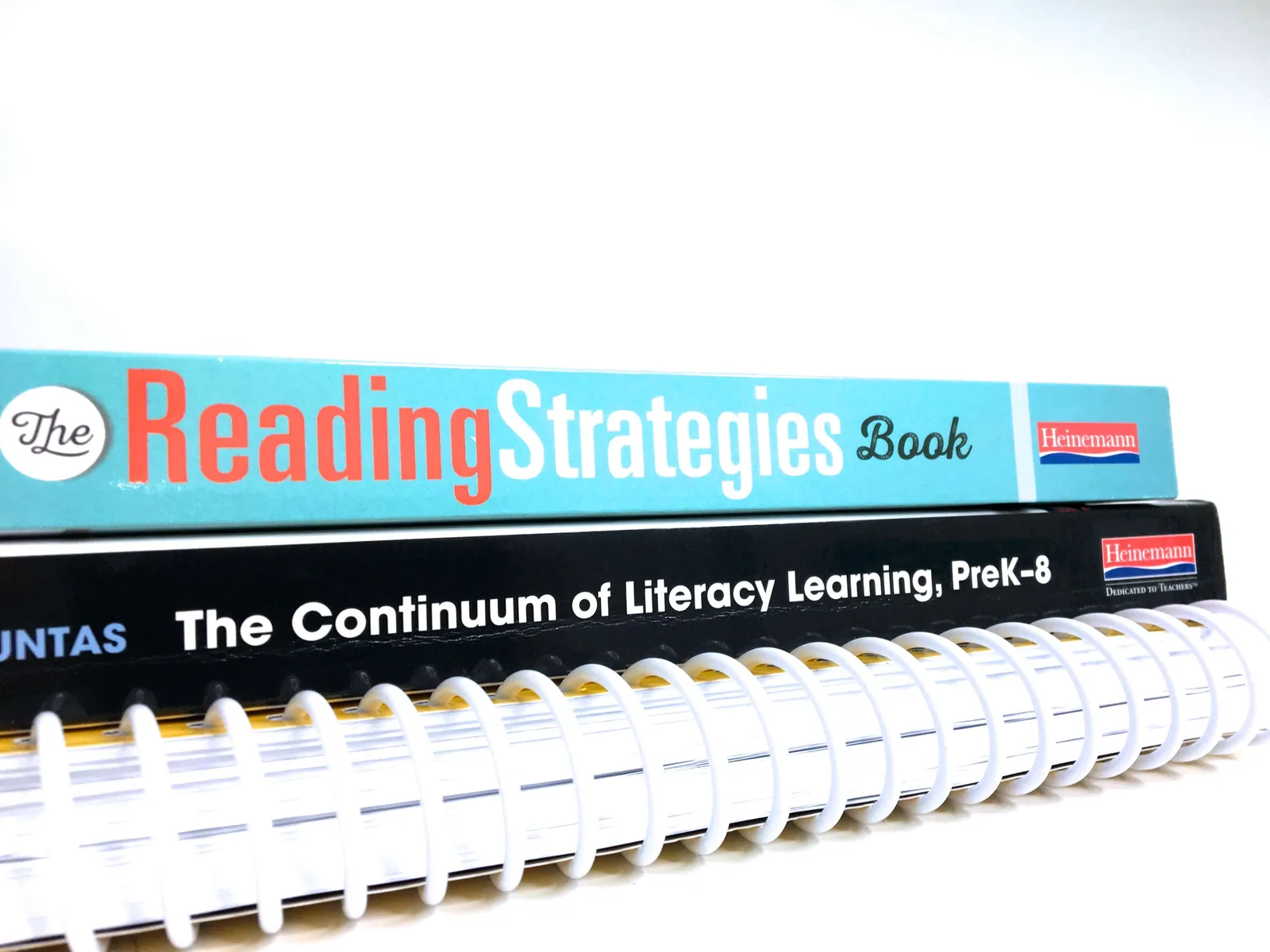
The planning of guided reading can be overwhelming at first. Once you have your routines and structures, it makes like so much simpler. Plus, once you have routines, you can streamline your work! My go-to- texts are The Reading Strategies Book (for picking and developing teaching points), The Next Step Forward in Guided Reading by Jan Richards (lesson plan templates, sight word lists by guided reading level, skills list by guided reading level), and The Continuum of Literacy Learning by Fountas & Pinnell (great descriptors of reading behavior by guided reading level, really explores what each level looks like).
Of course, the reason we use a Daily 5 or Workshop schedule is so we can have that critically important guided-reading time with all of our readers, every day. Small group is when growth happens, and our beginning readers thrive during this time. I have four reading groups that are designated three different colors – green, yellow, and blue. (You can read more about my differentiation system in this post.) I store materials for my groups in a 3-drawer plastic container.

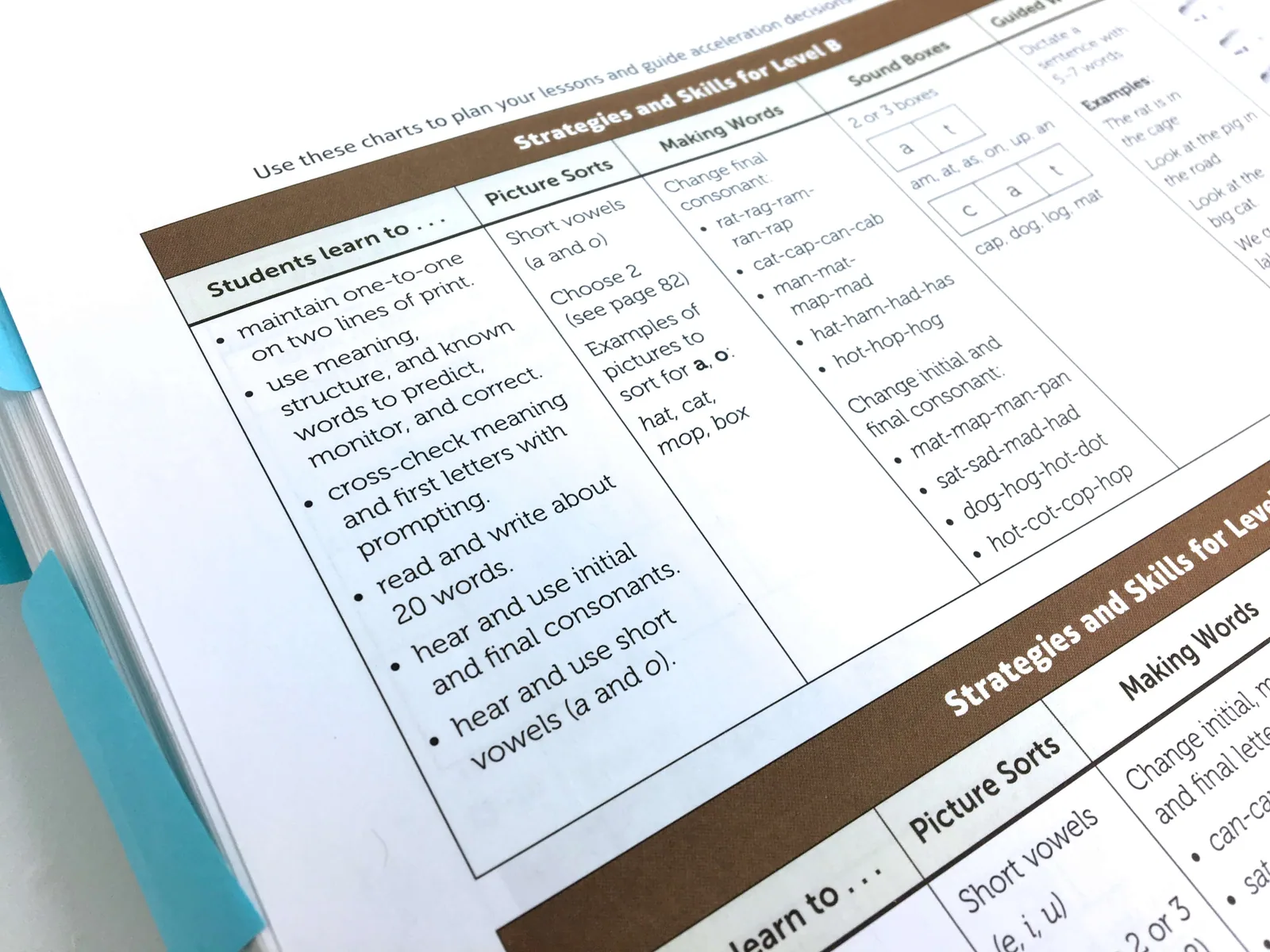
The structure I use is based off of Jan Richardson’s The Next Step Forward in Guided Reading. Her Guided Reading blocks last ~30 minutes, so I have to pick and choose what we do. Typically, below, are the things I prioritize in our 15-20 minute blocks.
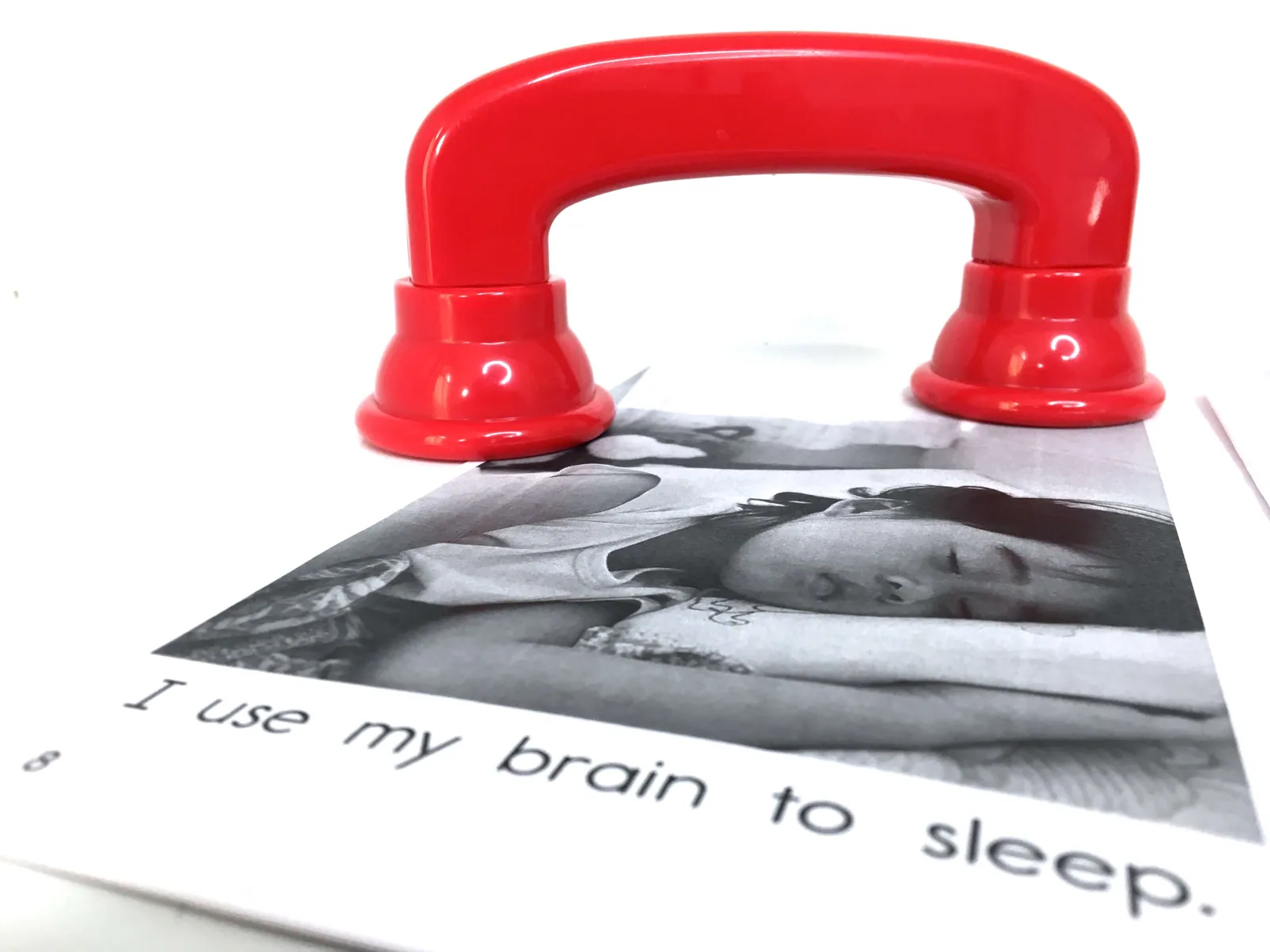
Picking 1-2 words from the book that align with sight words students need to know at that level, we practice writing, saying, and applying the words. Application, not memorization, plays a HUGE role during this time. We do lots of sentence writing, oral writing, and sharing our ideas while using our focus sight words in context.
A book introduction is short, sweet and too the point. It is teacher-driven and gives students only an overview of what’s in the book. It does not summarize the book or give away all the juicy tidbits. If a book is fully of content-specific vocabulary or I have several friends in a group that might need extra language support, I love to pull out this Word Predictors strategy from Hello Literacy. It’s THE most amazing way to scaffold students during Guided Reading. I briefly introduce our book & students generate a list of words they might encounter while reading. Then, we circle or tap the words when we reach them. Super simple but such a powerful strategy and helps support vocabulary-building skills!
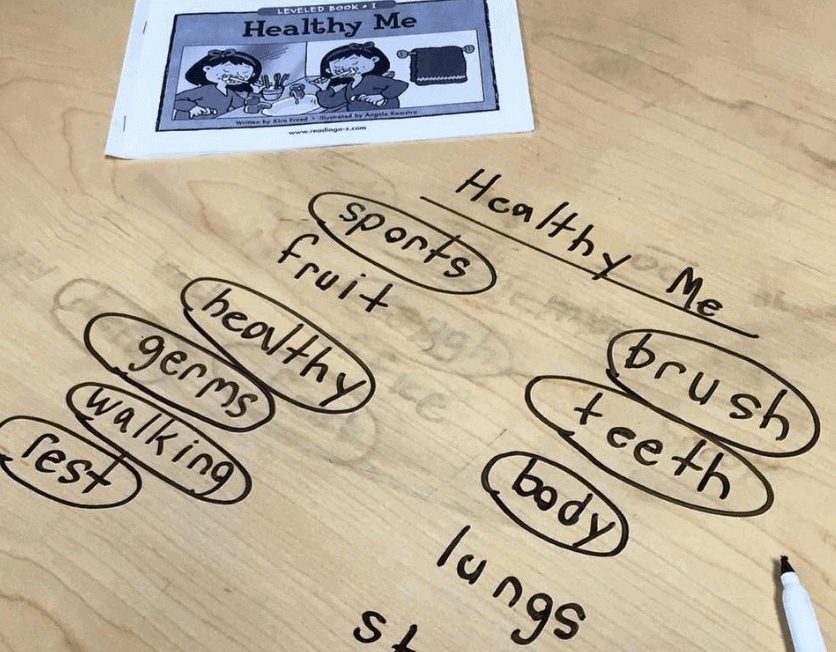
Once our book has been introduced, we are ready to read. Students are reading by themselves at the whisper. As students are reading (using all of their strategies and checking for any words we might have predicted), I am checking in with students individually. During this time I listen to students read, prompt them for strategies, ask questions, and provide support. Since these are INSTRUCTIONAL texts, they are meant to be slightly difficult and students will need support.
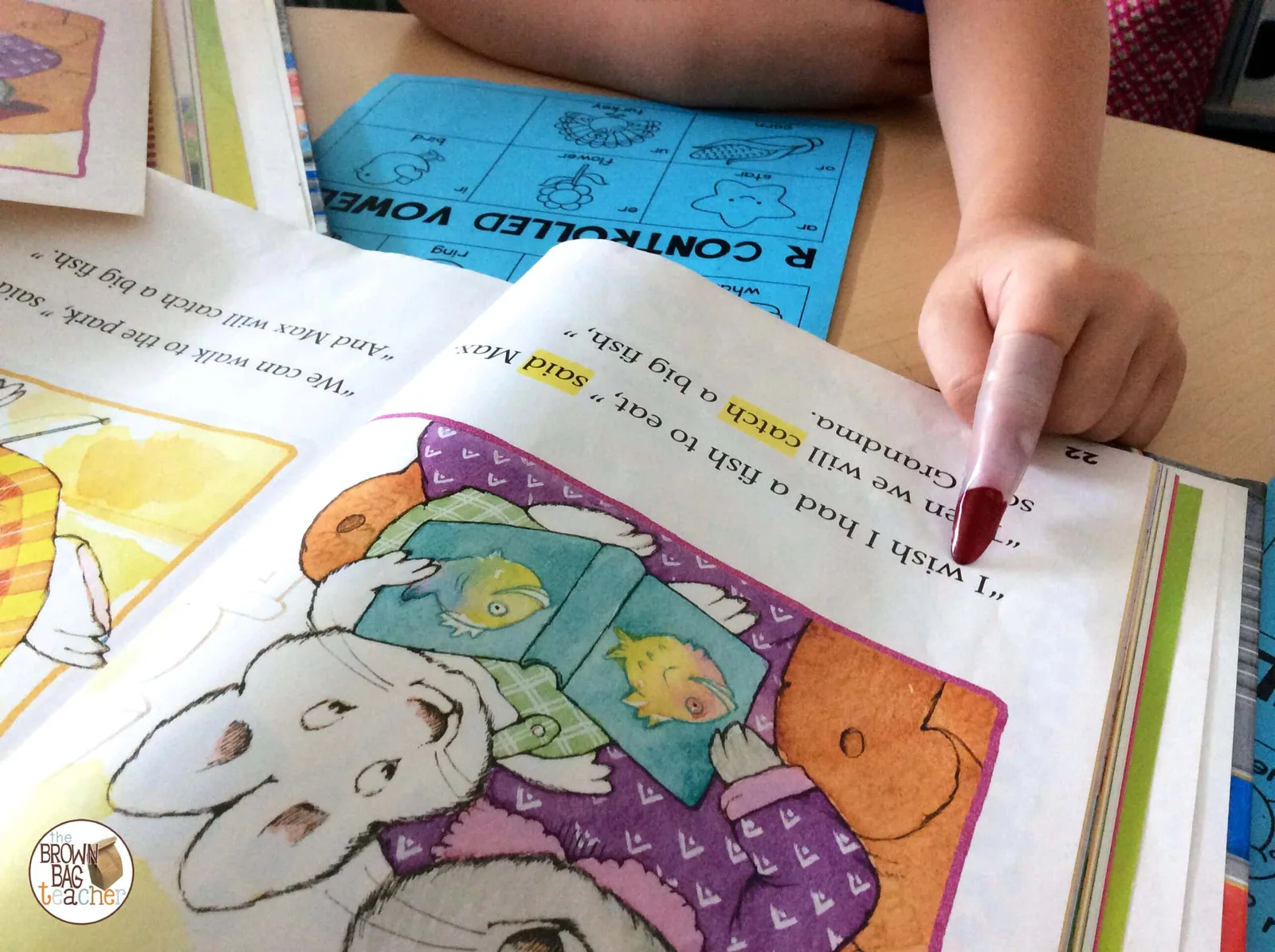
Pulling from our weekly comprehension skill, Jan Richardson’s list of skills by Guided Reading level, or based on my observations, I pick a focus for each of our books. From self-monitoring for expression (using punctuation as the indicator) to looking at how the author convey’s a character’s feelings, this is the ‘meat’ of our guided reading time. These are discussions and applications of reading comprehension and fluency that I want students applying to their reading inside AND outside of our Guided Reading time.
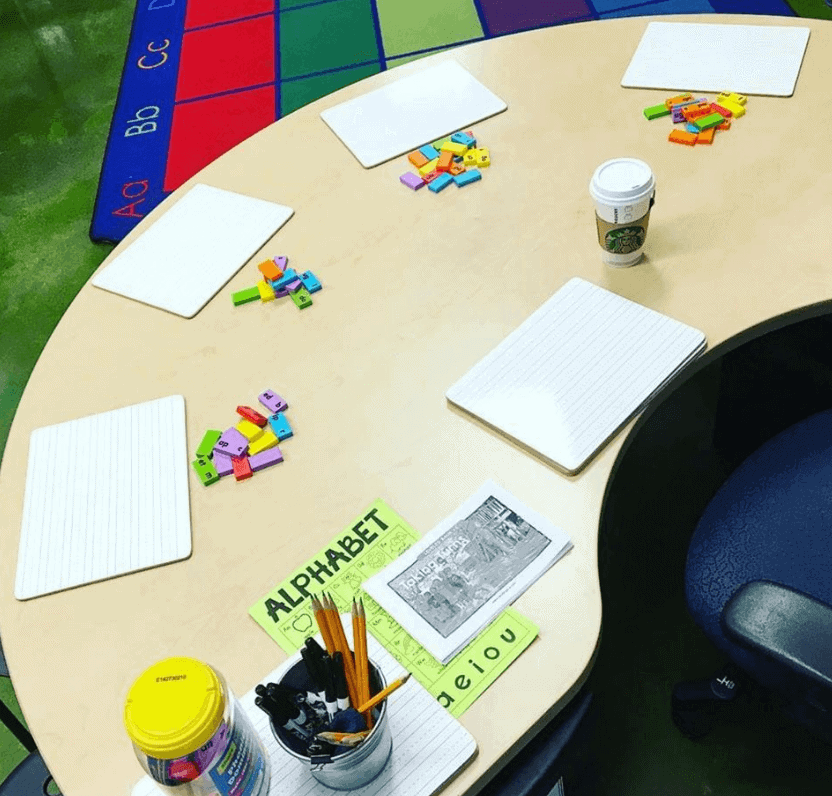
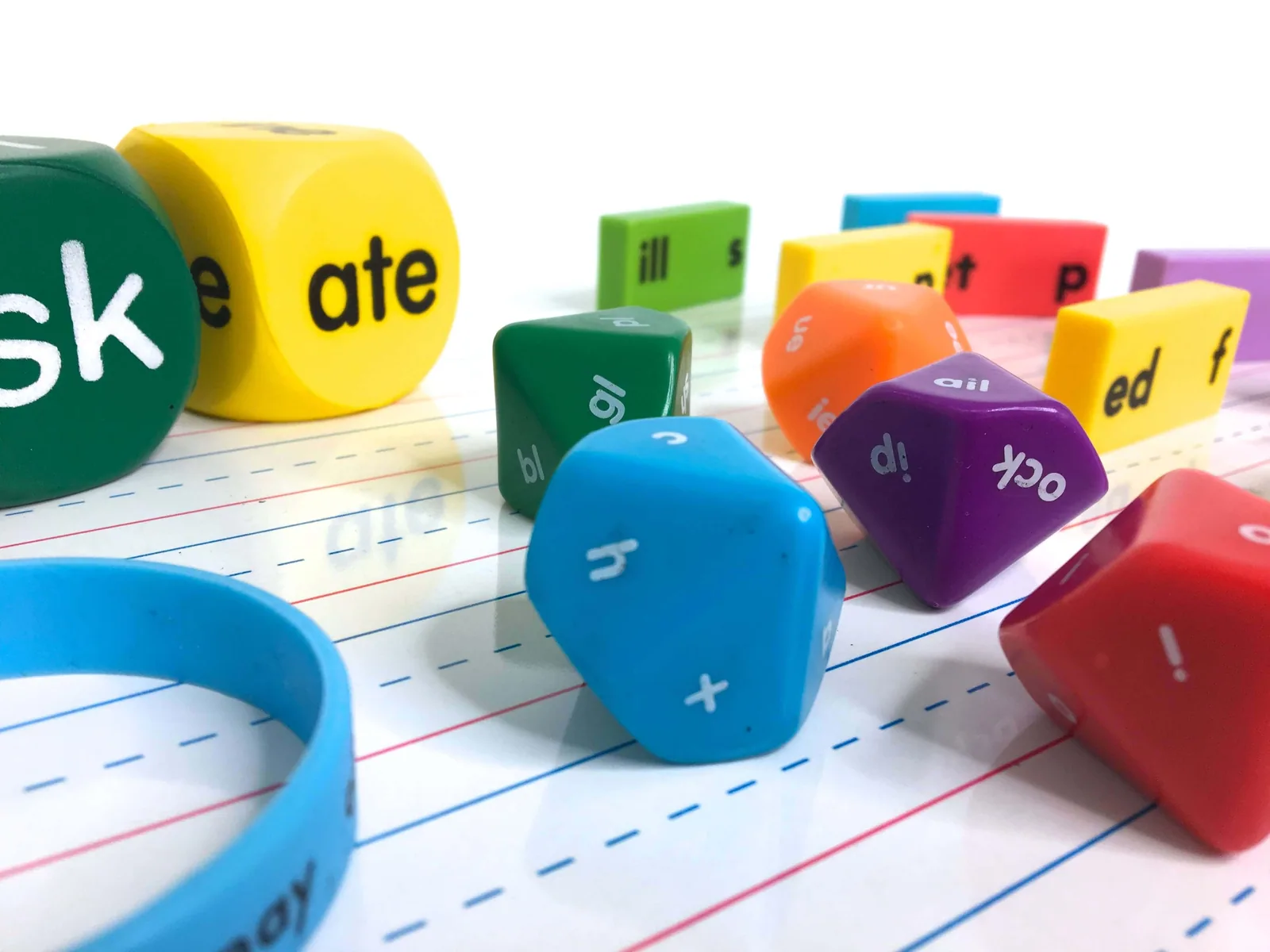
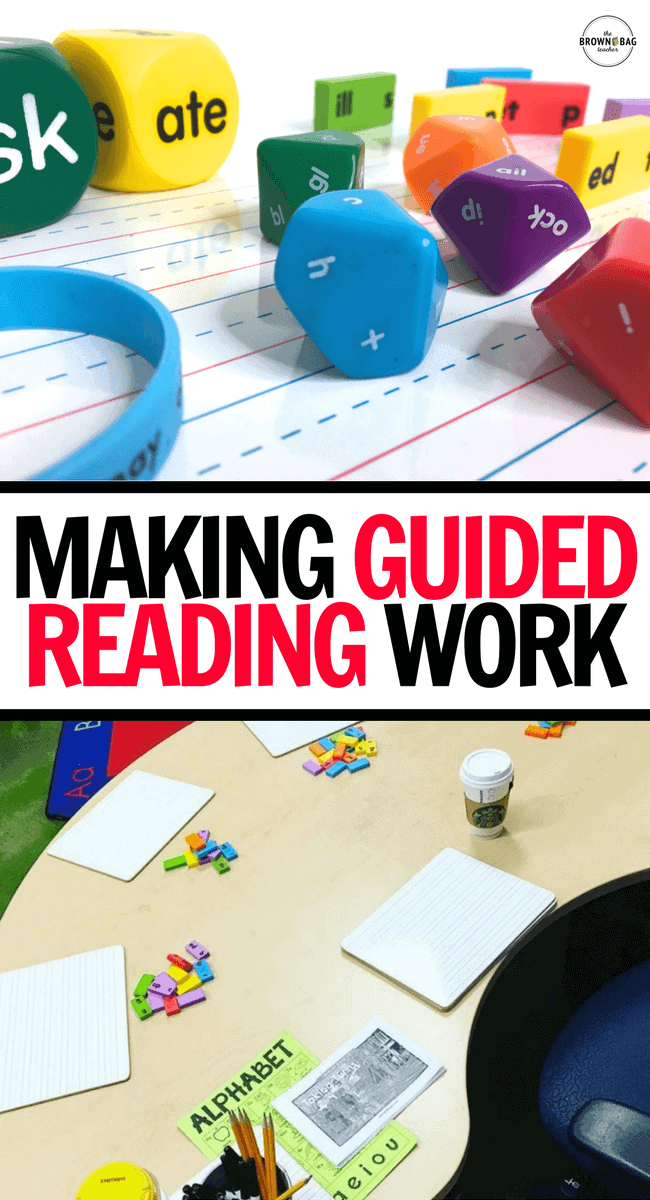
The last few minutes for our time together is spent in Word Work. Often pulling patterns found in our texts, we build words, word ladders, and use lots of words in context. Below are some of my go-to Word Work tools – foam phonics dice, hard-sided phonics dice (these are great because different word parts are found on different color dice), and phonics tiles.

26 Responses
Great explanations of how you do it—love the times! What decodables and readers are you using? Printouts from Reading A-Z? Thanks!
Where did you find your decodables? I’m
Great explanations! Also loved your daily schedule blog, https://brownbagteacher.com/1st-grade-schedule-day-in-life/ Question: when do you do phonics instruction and introduce new sight words and phonics skills? I don’t see it in the schedules.
Thanks for all you do and share!