

Happy day, friends and welcome to Chapter 5 of our Daily 5 book study – Launching Read to Self.


Throughout the first 2 weeks (before I’ve assessed friends), I’ll shift all the books every other day, so students have a chance to preview and read lots of different books.
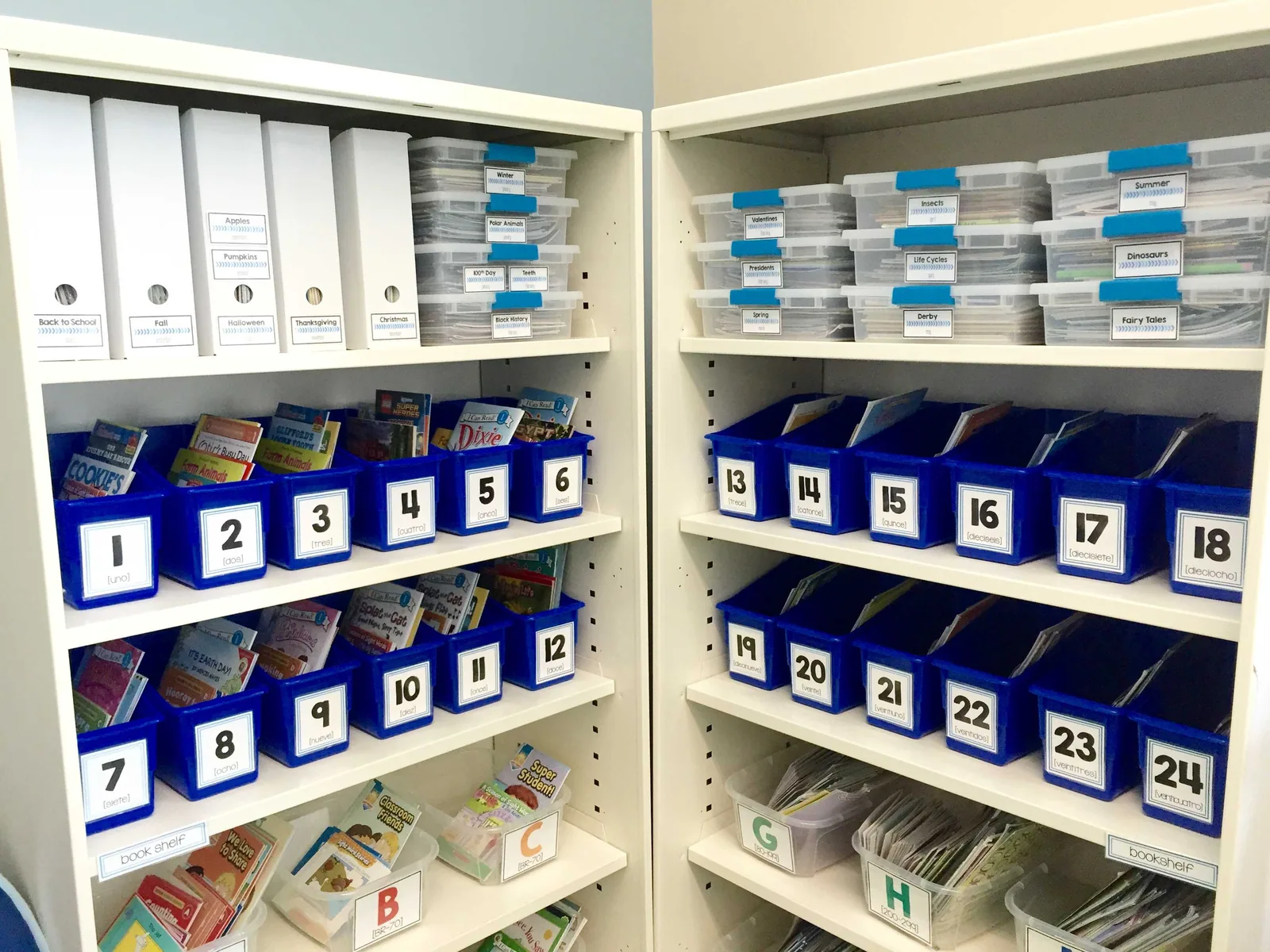
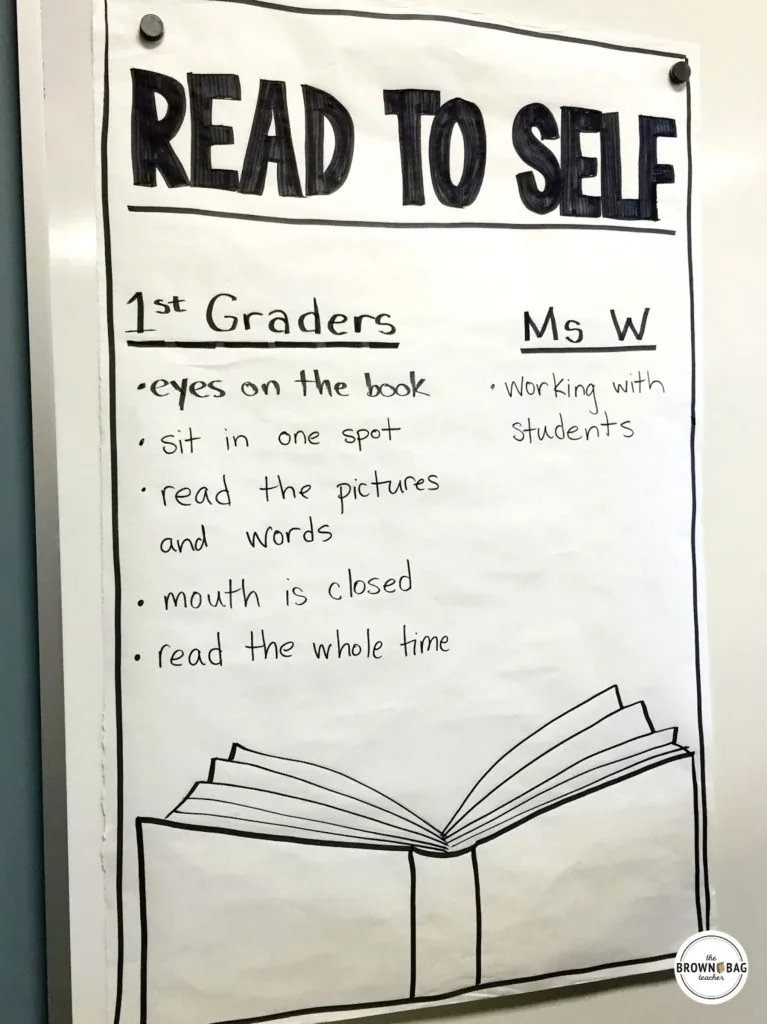
Once small groups of students grab their book bins and meet me on the carpet, we find our just-right spots. I’ll be honest – hand-placing students in reading spots did not work for me. It took FOREVER and seemed silly. After our first day of building stamina, we talked about ‘just-right’ reading spots, and I began letting students choose their own. Most of my friends prefer small corners and spaces, but others (like the friend below) prefer stomach-reading. 🙂 Having students picking their own spot from the very beginning has worked well. 2-3 students may lose seat-choice, but will gradually earn it back with great choices.
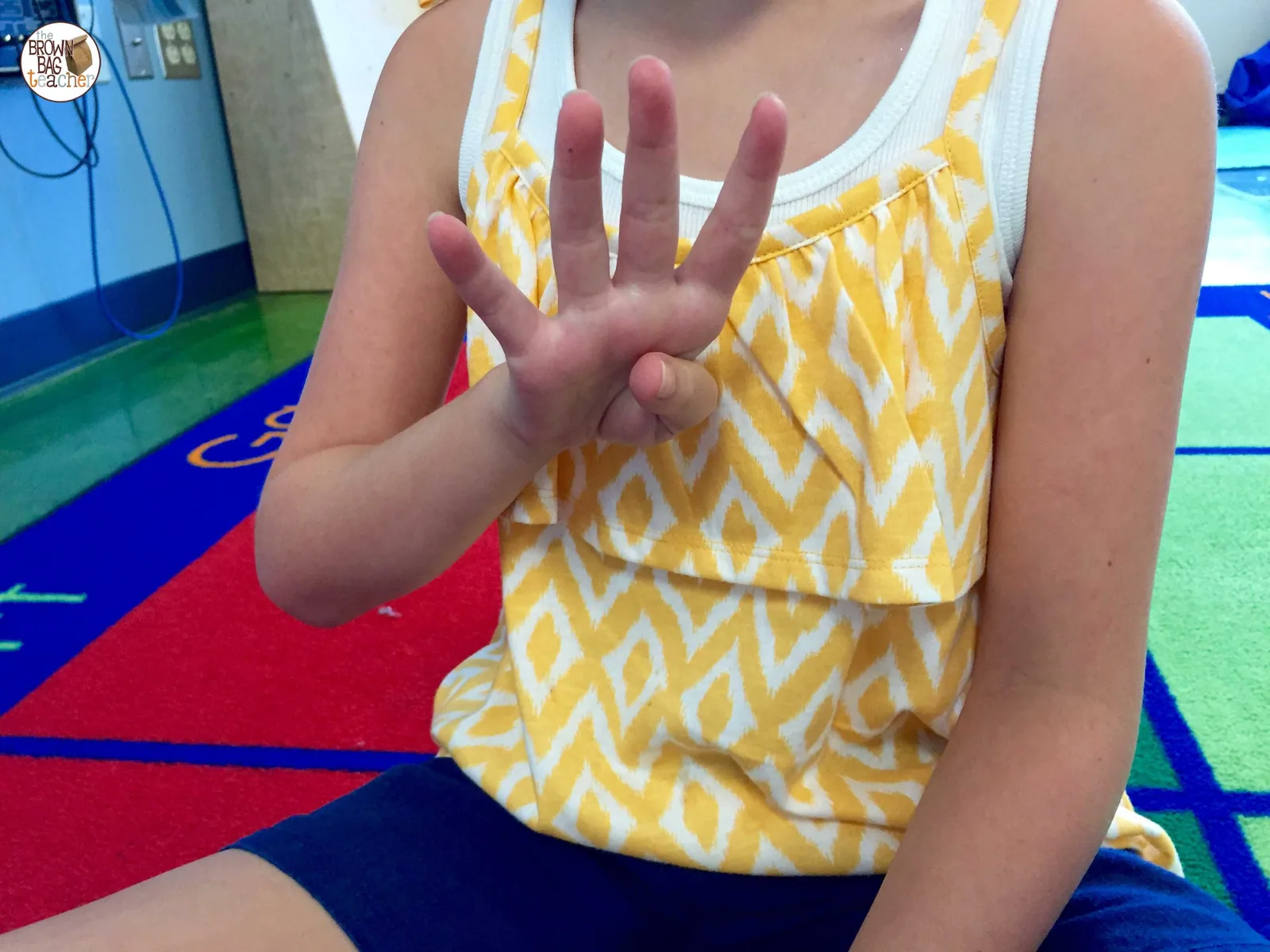
When 1 student has broken stamina, I ring our bell 3 times and students know to quickly and quietly meet me on the floor to reflect. Students rate themselves and their stamina building. 1 means Help!, 2 means I’m Still Learning, 3 – I’m pretty comfortable, and 4 means I’ ve Got This!
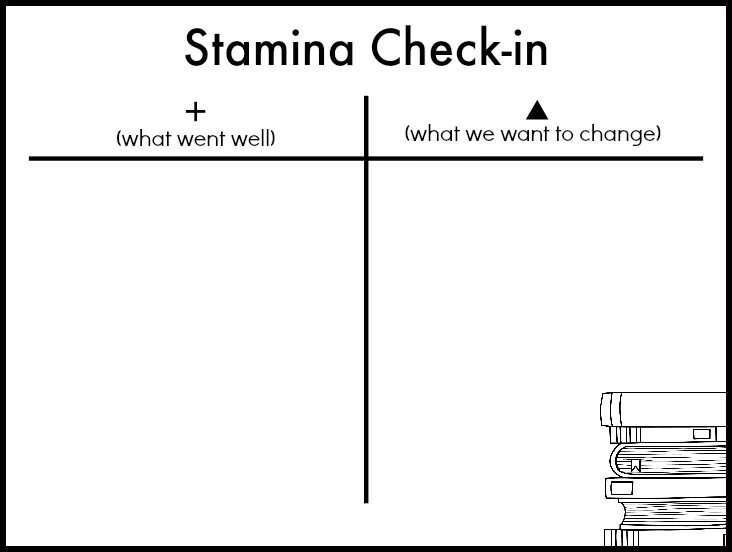
After students have rated their own stamina-building, we reflect as a class. We write ‘Pluses’ and ‘Deltas’ on the SMART Board.
Then, we take a moment to graph our stamina as a class. It has been so motivating for students to have a visual. Who doesn’t want a taller bar graph?!? When we make it to 12 minutes of reading stamina, we will stop practicing stamina and just review after breaks or when we’ve forgotten how to become a better reader. You may grab this graph here or by clicking below!
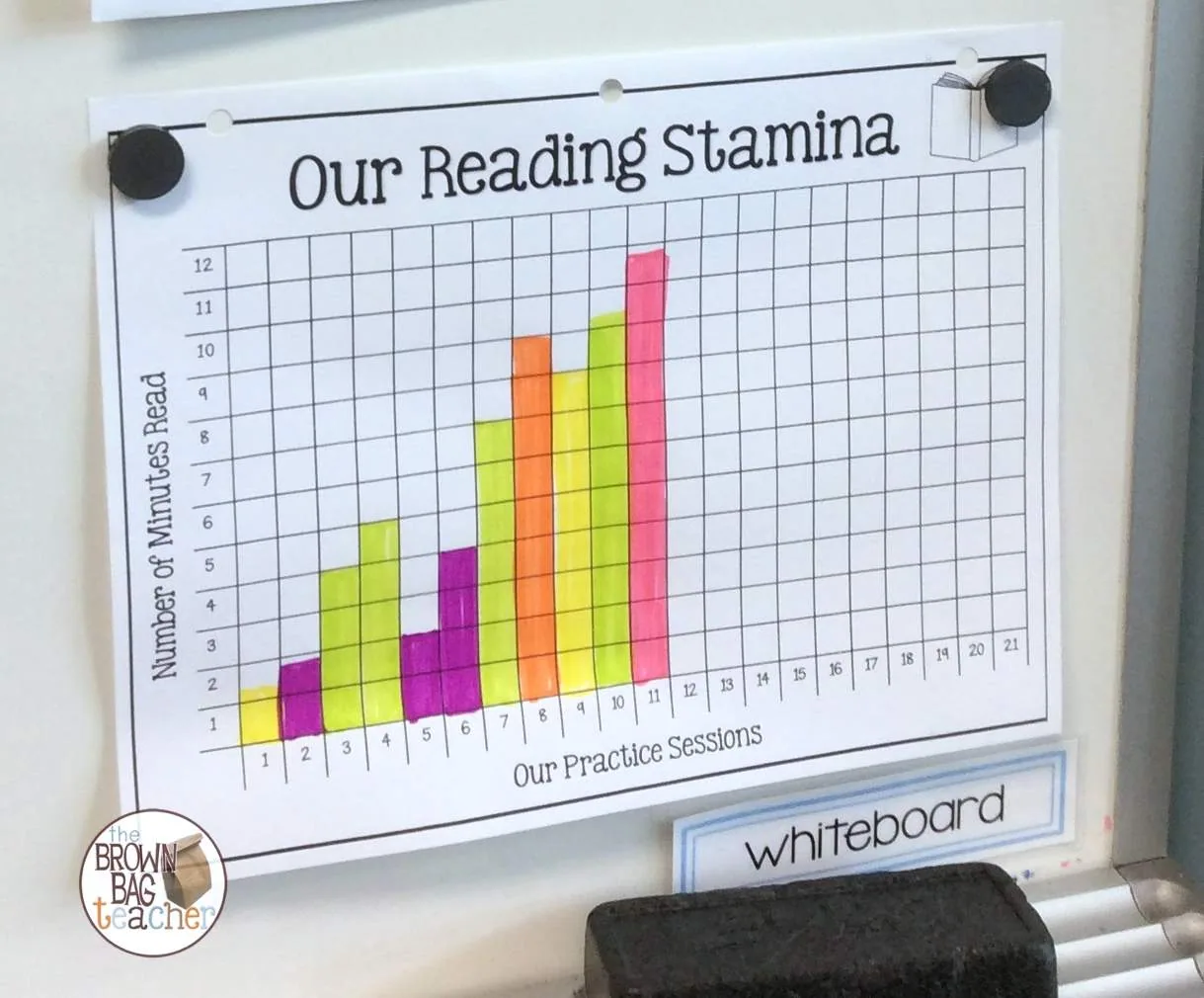
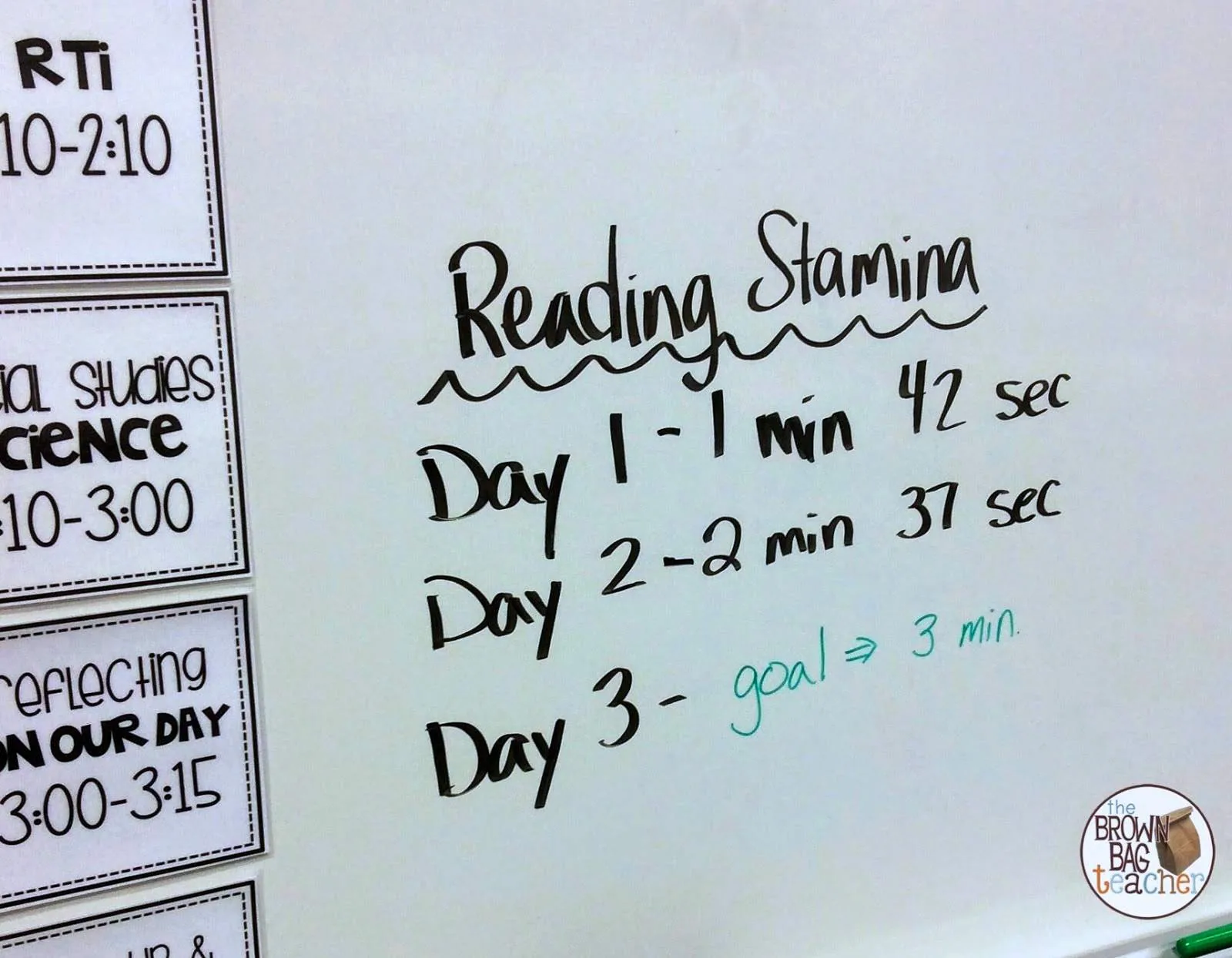
As you can see, our first venture was short. Very short. 1 min and 42 seconds. Oy! Lots of room to grow, right?! 😉 The first few days we practice 2 ish times a day. The Sisters recommend 3 but I found that practicing late in the after was a struggle, so we practice at the beginning of the day and right before specials. It works for us and gives us lots of practice. Slowly but surely, with more practice, we have grown SO much as readers. Two weeks into school, we hit 10 minutes of reading stamina!
Well friends, thanks so much for stopping by! I’ll see you again on Wednesday as we’ll be looking at Chapter 6: Foundation Lessons


12 Responses
It's so interesting to compare your work with firsties and mine with sixth graders. There's not much difference except that mine can go longer (usually 10-ish minutes) but the goal is 30! That takes a while, too!
Glad you're reading the book – it really changed my teaching approach!
Marion
Thanks for your book study of Daily 5. It is a great review for me as I prepare for the new school year.
Thanks for your insight. I went to the Daily5 conference in June and loved it. Hearing from the sisters themselves was amazing.
That's awesome, Tami! I would love the chance to here the Sisters speak. 🙂
Awesome blog post! I have to ask…where'd those Guided Reading labels come from? I'm looking for some like them! 🙂
Hi Sarah Beth! I made my own, so I could customize them. If you're looking for awesome library labels, definitely check out KinderCraze's labels – https://www.teacherspayteachers.com/Product/EDITABLE-Classroom-Library-Labels-for-Bins-Books-White-Series-1237265. 🙂
Hi Catherine! I'm reading The Daily 5 for the first time, just a bit behind the book study. One tiny mention in the chapter confused me and I thought maybe you could offer some insight? Working on Writing (underlining tricky words) is mentioned as a possible foundation lesson on Day 1 and, as with all independent work times, when there's an off-task behavior, we gather up and discuss. The book says that we can use this first writing as a sample, but I'm wondering if there's an off-task behavior at 1.5 minutes, is that enough of a writing sample? Do we return to the writing sample during the next Work on Writing time? Maybe I'm just over-thinking this. I'm very excited and anxious to start Daily 5 up in my classroom. 🙂 I teach 3rd, by the way.
Hi Dawn! I'm so excited that you'll be launching The Daily 5. I think you and your kids will love it. I do actually return because I want a real sample. In honesty though, I take several samples those first 2 weeks of school. I want to give every student a chance and like to have a sample to keep at school, as well as, a sample to send home. The great thing about Daily 5 is that you can tweak it to meet the needs of your classroom! Flexibility is key. 🙂
Question…..During these first few weeks of school how do you have guided reading time when they don't have enough stamina? How do you get it all in?
Do you have all students read to self at the same time?
You are first building stamina, yes! The Sisters have a complete, day-by-day guide in their Daily 5 book.
Hello,
I just joined this conversation. I have read this book, but need to review it again. Next year I will start over as this year I had a really tough class. I hope to start fresh and be able to have my students build the stamina that is talked about in this book. This was my first year in 1st grade. I have taught 16 years in 2nd grade.
It is great to hear others responses and see the struggles are real and not just you.