One of my strengths as a teacher is my love for content and curriculum. I absolutely love planning the just-right learning targets and activities for each of my learning groups, and I am blessed to be at a school that trusts its teachers. Kentucky is a Common Core state, and my school uses Go Math and Reading Street for our scope and sequence. With that said, we are able to pull outside resources that will work for our students! Today I wanted to share with you some of my favorite Common Core resources and references.
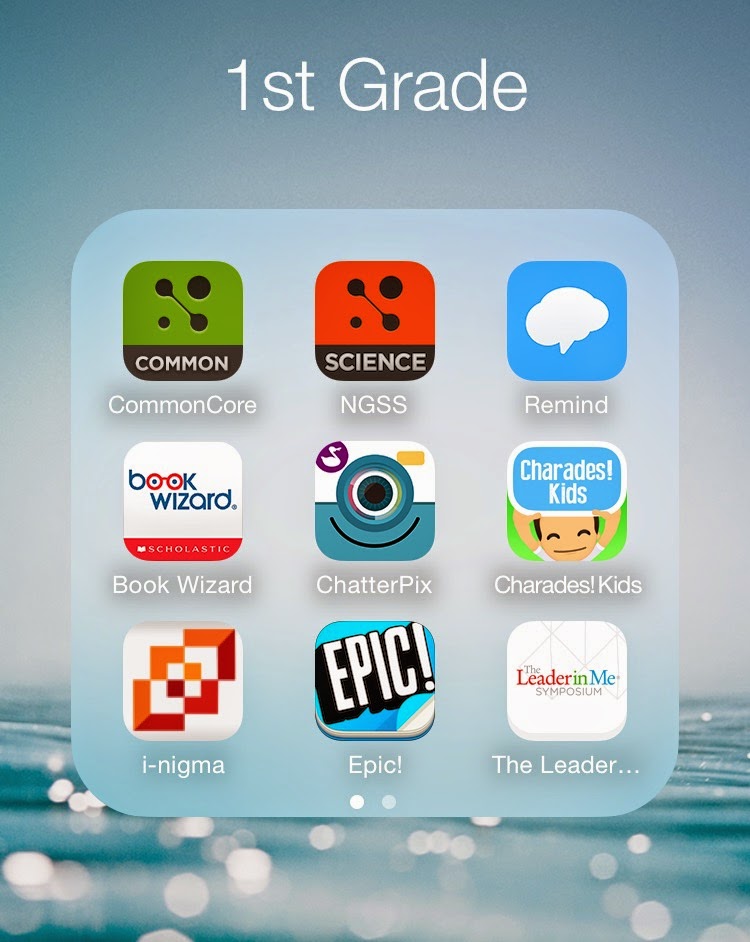
This may seem silly, but the 1st priority in teaching the CCSS is actually knowing the standards and referencing them daily. My old district was religious about making sure our standards, learning targets, and exit slips all matched – the wording, the intent, and especially verbs. I keep the CommonCore and the NGSS apps on my phone and iPad. It’s easy to pull them up, even when you don’t have an internet connect. Plus, it makes it simple to check the grades above and below you, to know where to start and what students need to be successful in future grades. Although not available for iPhones, I also really like the Common Core Concept Bank (only available on an iPad). ConceptBank offers sample questions for K-12th grade for each standard which is a great model for creating assessments for learning targets.
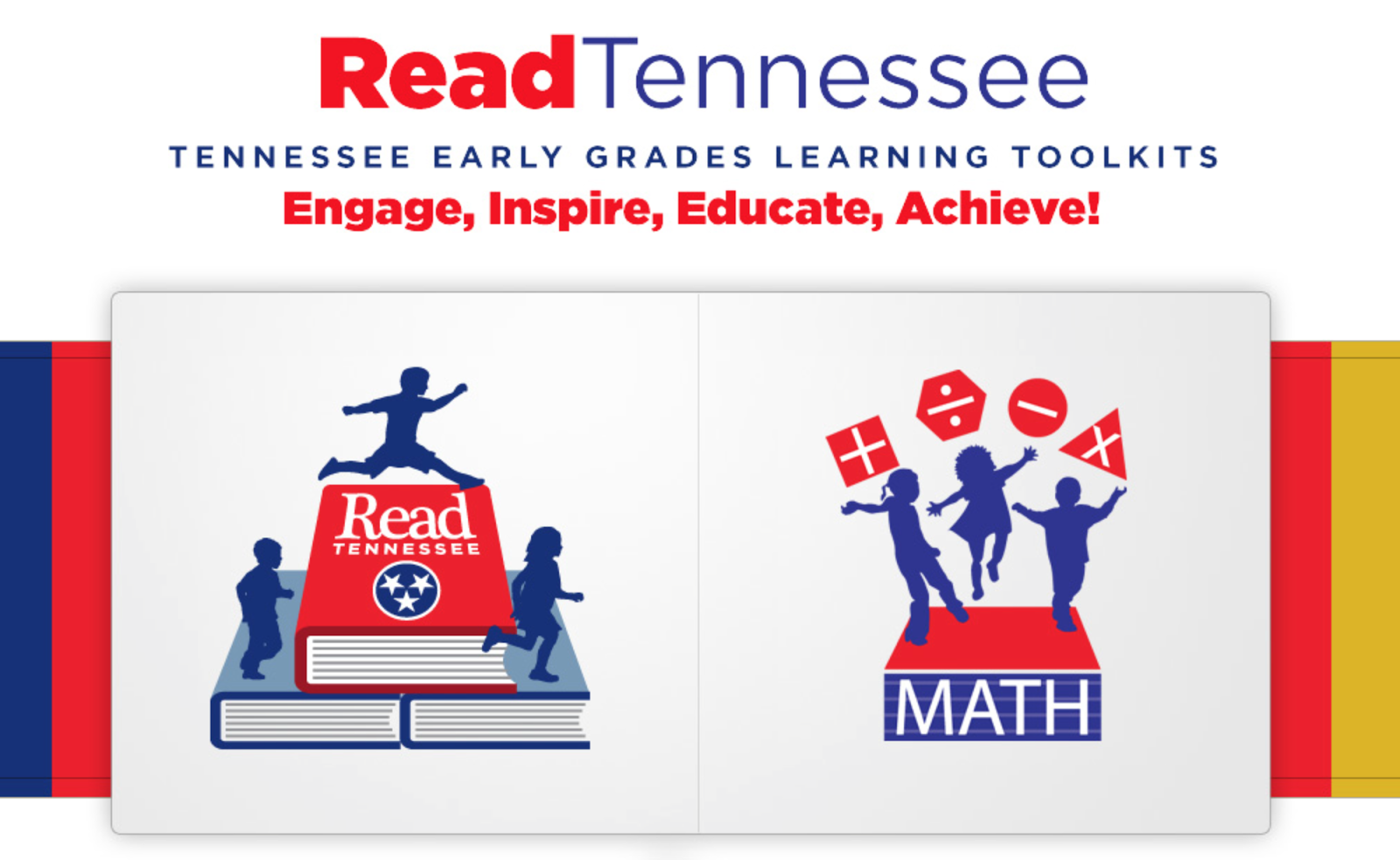
After re-reading the standards and before teaching specific standards (especially math) my first go-to resource is ReadTennessee. The focus of Read Tennessee is really deconstructing the K-3rd standards and giving teachers concrete examples of what the standards means. For math, they’ve also done a wonderful job of explaining what ‘math talk’ sounds like for each standard. Perfect for teacher models and anchor charts!
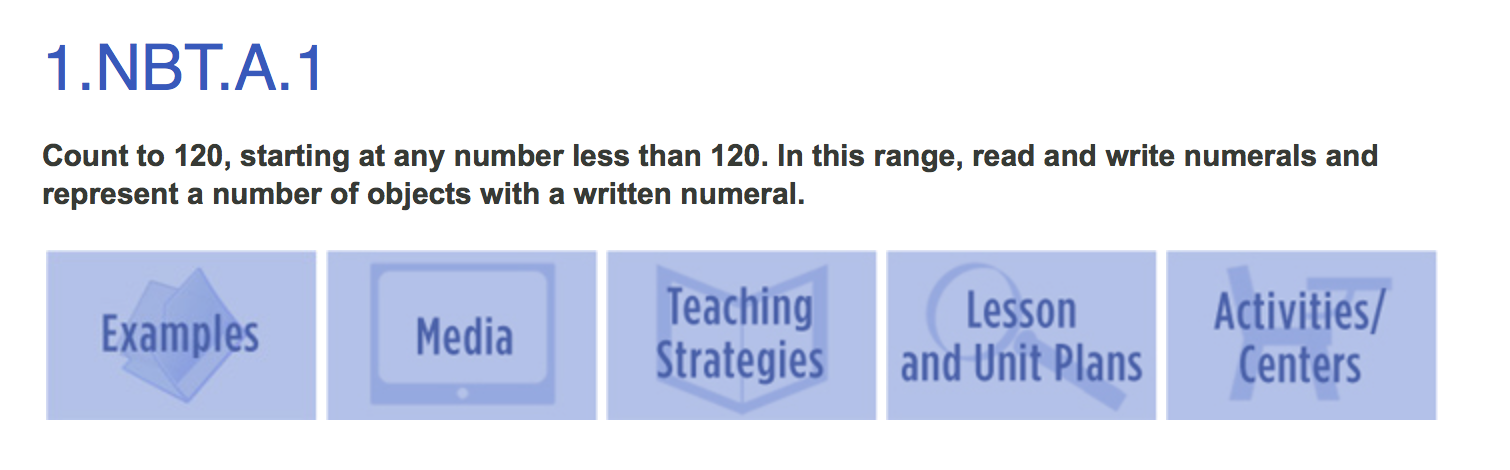
The site also includes several resources and links to outside websites for each Common Core standard. From SMART Board resources to center ideas, each standard (math and reading) looks like the menu below. My favorite tab is definitely ‘Examples’ – that’s where you see the great continuum of learning examples, what does the standard actually ask, as well as, sentence stems for math talk.
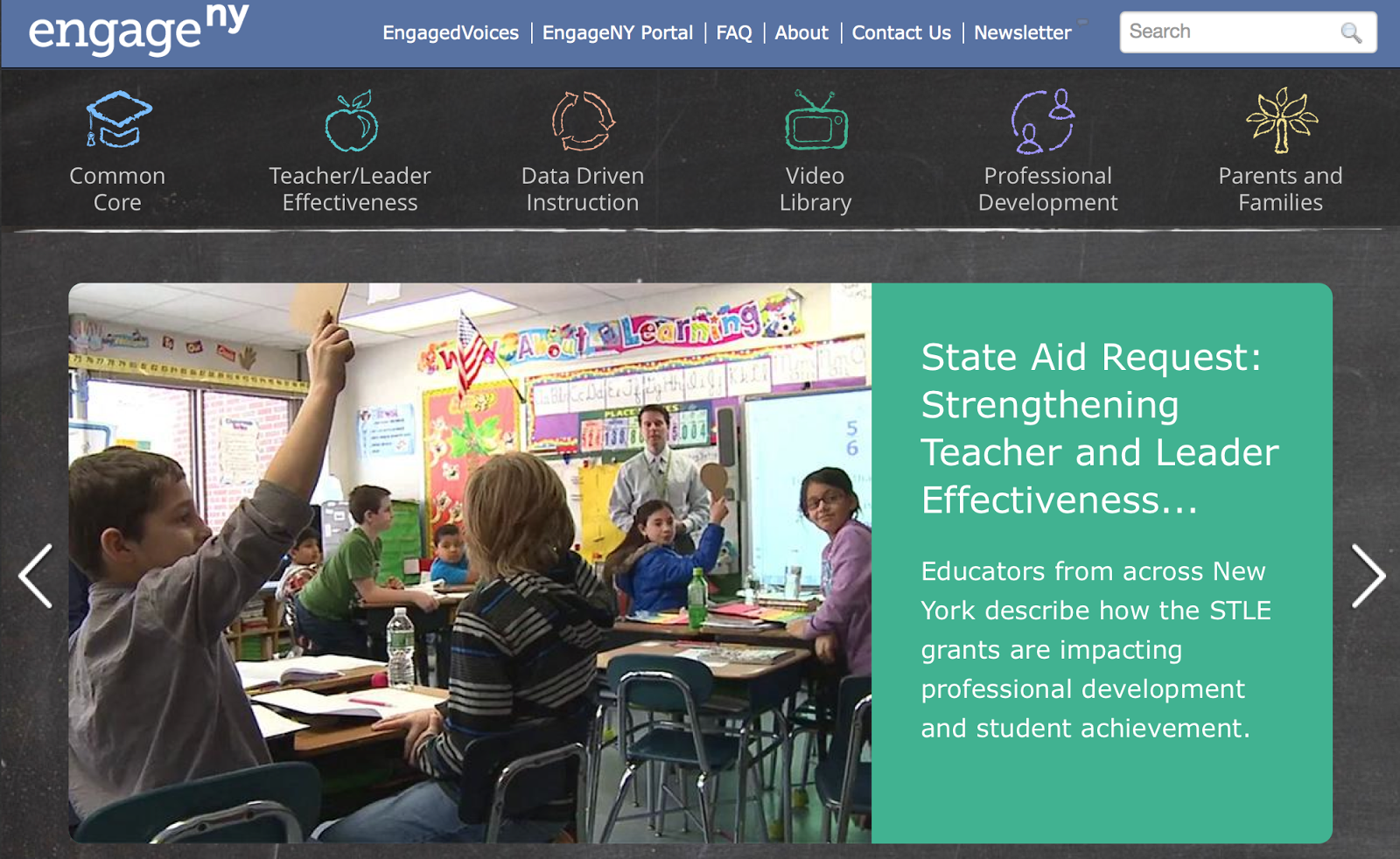
Another go-to resources for Common-Core goodness and reference materials is EngageNY. This is a website where you can spend HOURS digging through and it is easy to get lost…so be prepared with a focus.
The major drawback is that the sight is curriculum specific, so it can be difficult to navigate. The math lessons are divided by modules and the ELA lessons are divided by workbook numbers. Therefore, there is some hunting involved. However, if you spend the time hunting, you are rewarded with specific lesson plans, activities, word lists, math center ideas and even student reflection sheets. EngageNY is definitely content THICK which is an amazing and FREE blessing!
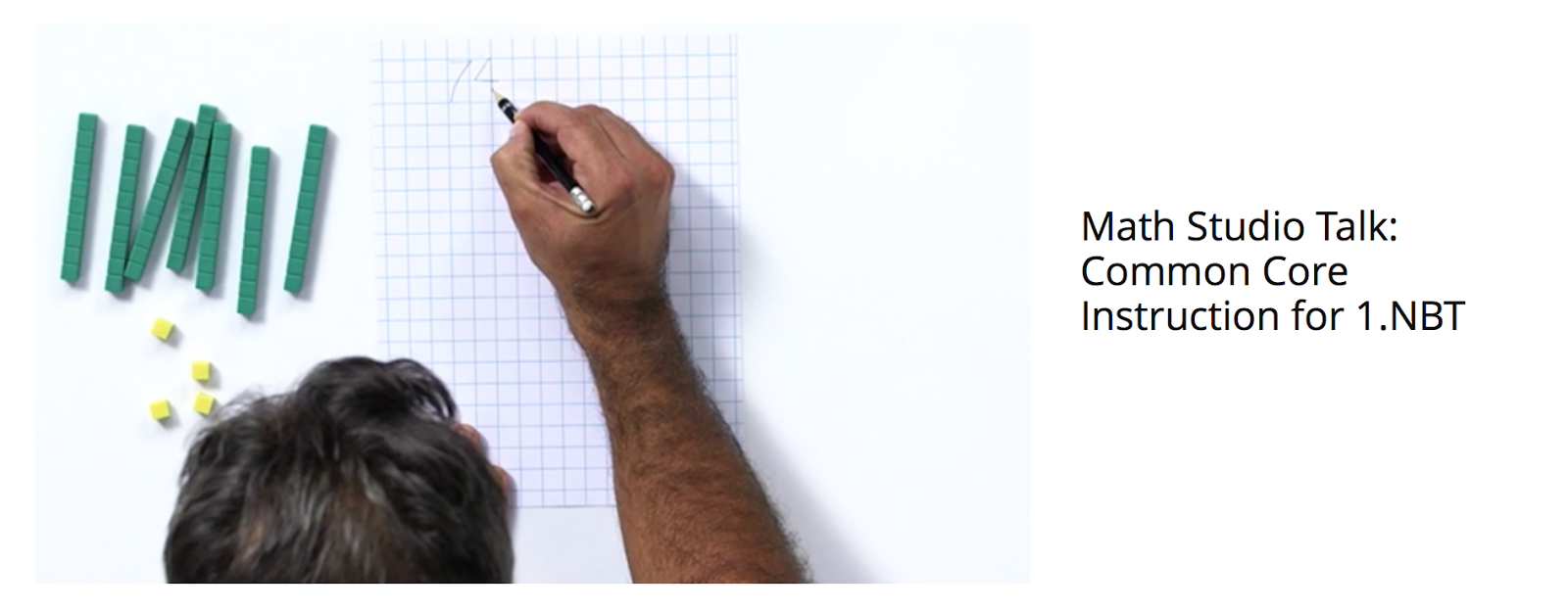
For math, I really like their Math Studio Talks which break down the standards in video format and show lots of ways to introduce and practice the standards with students. The videos aren’t theory-based, but a lot of hands-on this-is-how-to-do-it-with-students model. Plus, the materials that are used in the videos are fairly general to any math classroom, so they can apply to any classroom.
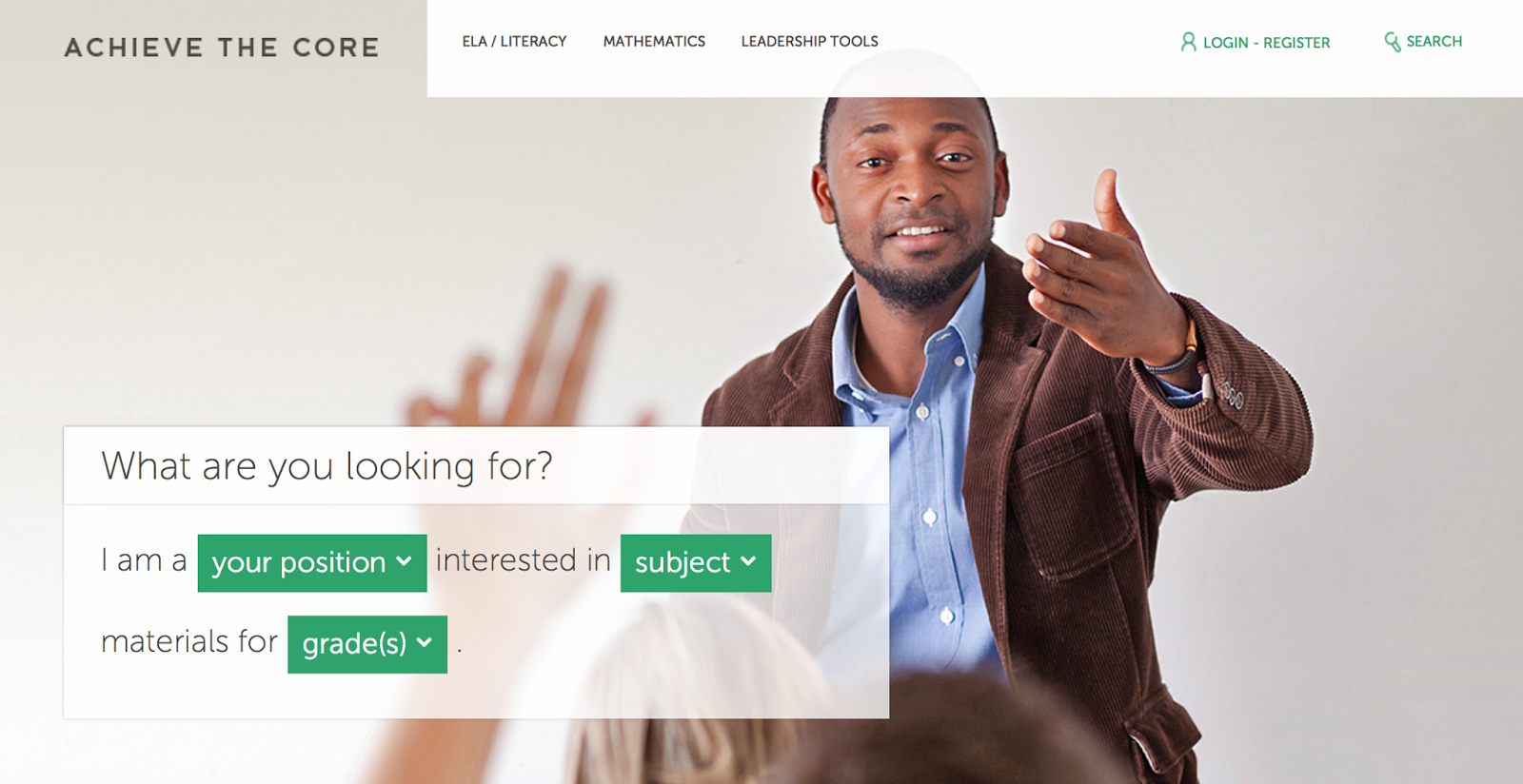
Last, I want to share my go-to writing resource – Achieve the Core. Like the other resources I’ve listed, Achieve the Core is a no-cost math and ELA resource for teachers. While it does have some reading and math resources, they are lost in a confusing maze of page redirects and inter-website links. It’s kind of painful. BUT, their writing resources are the BOMB!
I really like their writing resources because they are truly Common Core focused (i.e. more real-world). They include writing prompts that have been used in K-12 classrooms and then, show real-classroom writing samples for each grade level (high, medium, and low). They even include passage-based writing prompts for all grade levels! I love having a reference in terms of ‘What does 1st grade writing look like?’ Often times, I will pull writing samples from the site, and show them to my students. Then, we’ll spend time reading and critiquing the sample.
So, friends, those are 3 of my favorite resources when planning and learning my standards. Tell me, what are your go-to websites and apps? Is there anything I should check out? If so, please let me know. I’m always looking for other ways to bump-up my instruction and would love your input!
Thank you so much for sharing these. It's official- I'm teaching 2nd grade next year, so the resources you've shared will be so helpful. I am thankful for you; you always have such amazing ideas!
Thank you for always sharing your resources. We also use Go Math but have found it not to be rigorous enough for what is needed for our assessment.
Thanks for always sharing!!!!
Get teaching tips and free resources
Practical K-2 math and upper-elementary morphology ideas, straight to your inbox. No spam, unsubscribe any time.
They can make ten. Can they use it?
Help students turn “I know ten” into “I can use ten.”
Join me for a hands-on workshop exploring what to model, which questions to ask, and how to respond when students get stuck using ten to add and subtract.
Includes a printable Teacher Toolkit, ready-to-use Number Talks, and the workshop recording.


6 Responses
Thanks for sharing these resources! I'm looking forward to finding some good writing samples written by students to share with my students.
I love Read Tennessee. I need to check out Engage NY!
Thanks for sharing these resources. I bookmarked several. Smiles, Jayne
Smart Kids
LOVE this resource! Just checked it out & bookmarked. Going to share it with my colleagues as well. Thanks SO much 🙂
Leanna
A Little of LiLi
Thank you so much for sharing these. It's official- I'm teaching 2nd grade next year, so the resources you've shared will be so helpful. I am thankful for you; you always have such amazing ideas!
Thank you for always sharing your resources. We also use Go Math but have found it not to be rigorous enough for what is needed for our assessment.
Thanks for always sharing!!!!