
Place Value in 1st
In first grade, place value often looks solid on paper before it’s solid in thinking. Students may know tens and ones, but still rely on counting by ones to feel sure. When that happens, it’s usually not a practice issue — it’s a structure issue.
That’s why place value centers matter. Not because students need more activities, but because they need repeated opportunities to build, see, and reason with tens as units. The place value centers shared below are designed to help students trust structure instead of recounting, using familiar materials and routines that can be revisited again and again. You don’t need to use all of them at once — choose what fits the problem you’re seeing.
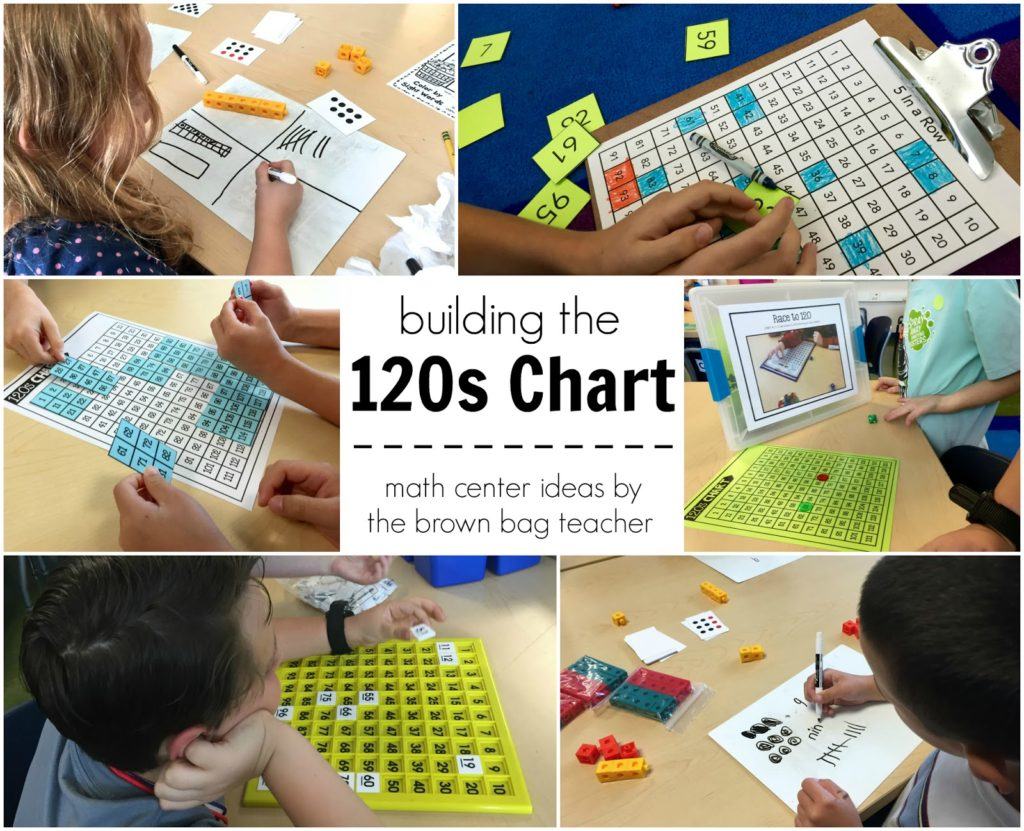
Making Place Value Hands-On


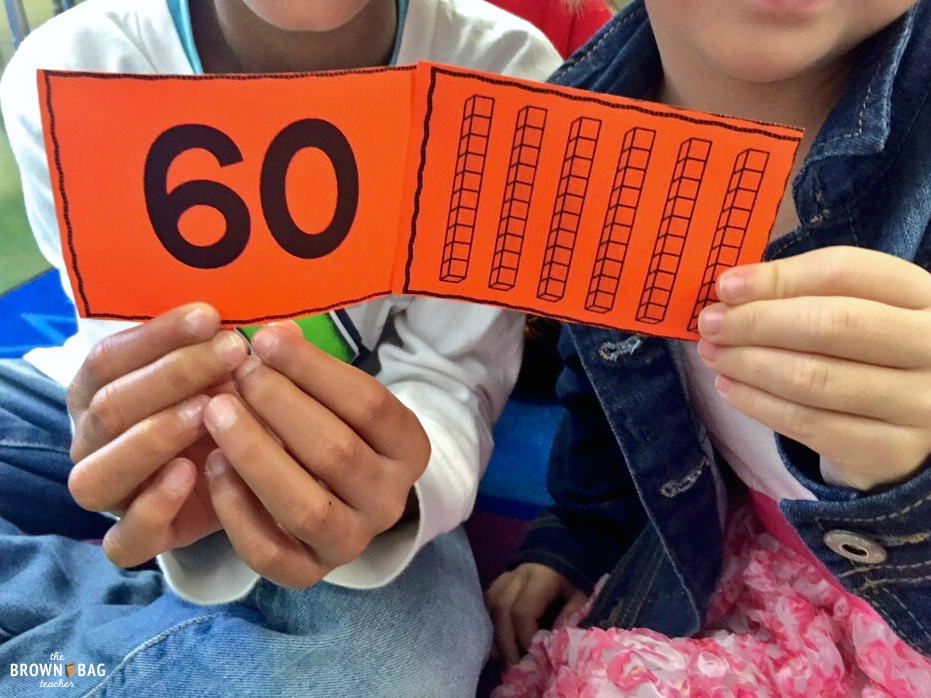


Reinforcing Ten As a Benchmark
The 120’s chart is also a great tool for practicing number sense, place value, and expanded form. When students place numbers on the 120’s chart, they are learning to notice patterns on the 120s chart. Throughout the first semester, this is a continuous center in our math rotations. As students become more confident noticing patterns in the chart (many times it initially takes 25-30 minutes to complete the chart, while only 10-12 minutes when they have mastered the patterns/skill). Students ‘level-up’ as they work with the chart.
Initially I only use the number cards (1-120) for all 3 of my math groups. Students pull a number and then, place it in its home. Many students will individually count each square on the 120s chart until they find the desired home. Eventually, students will discover strategies for finding the number’s home – counting by tens, noticing the number’s relationship to other numbers in the 120s chart, etc. The 120 chart reinforces ten as a benchmark. Students begin to see that every new row represents another full ten, which strengthens their base-ten thinking in a visual way.
After students are successful using the number cards, I introduce the Place Value cards. These place value cards are perfect for practice counting tens and ones. Next, I introduce the tens/ones cards for the numbers (1 ten 8 ones). Finally, students use the expanded form of each number to place it on the chart (30 + 8).
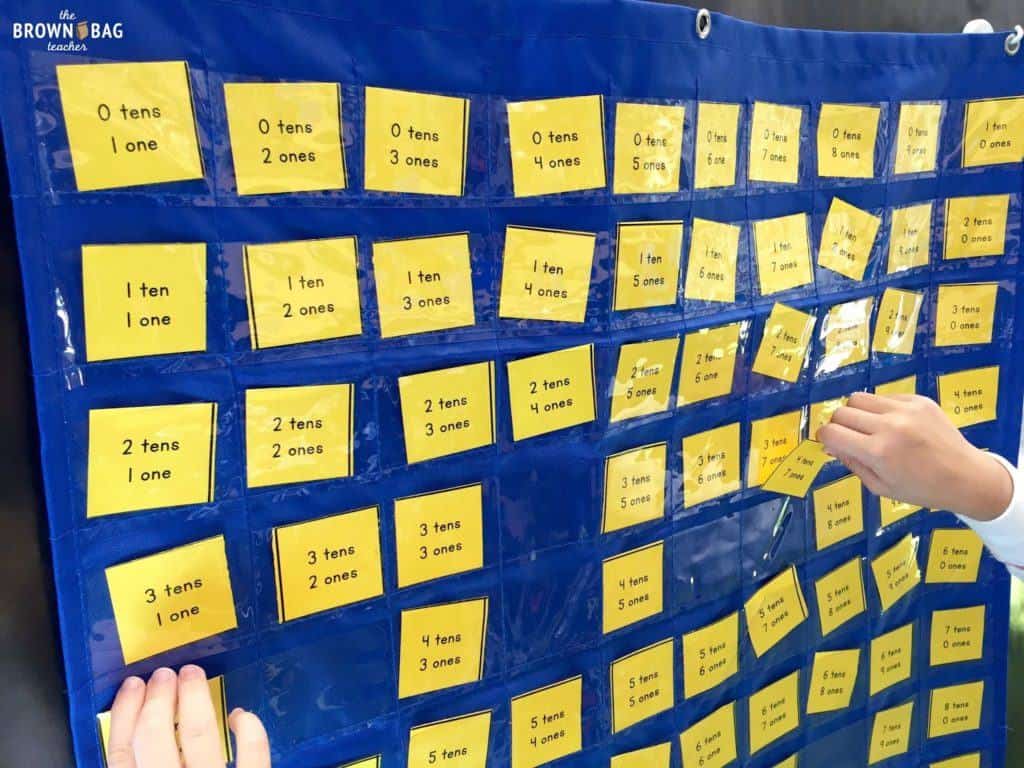
Ordering and Comparing Numbers

Structured, Intentional Place Value Practice
Because this work needs to be revisited consistently, I’ve been building place value centers and games that keep the focus on structure. These routines are designed to help students build numbers, compare numbers, and reason with tens and ones without defaulting to recounting.
The goal isn’t more practice. It’s better practice. Centers that protect the thinking instead of replacing it. 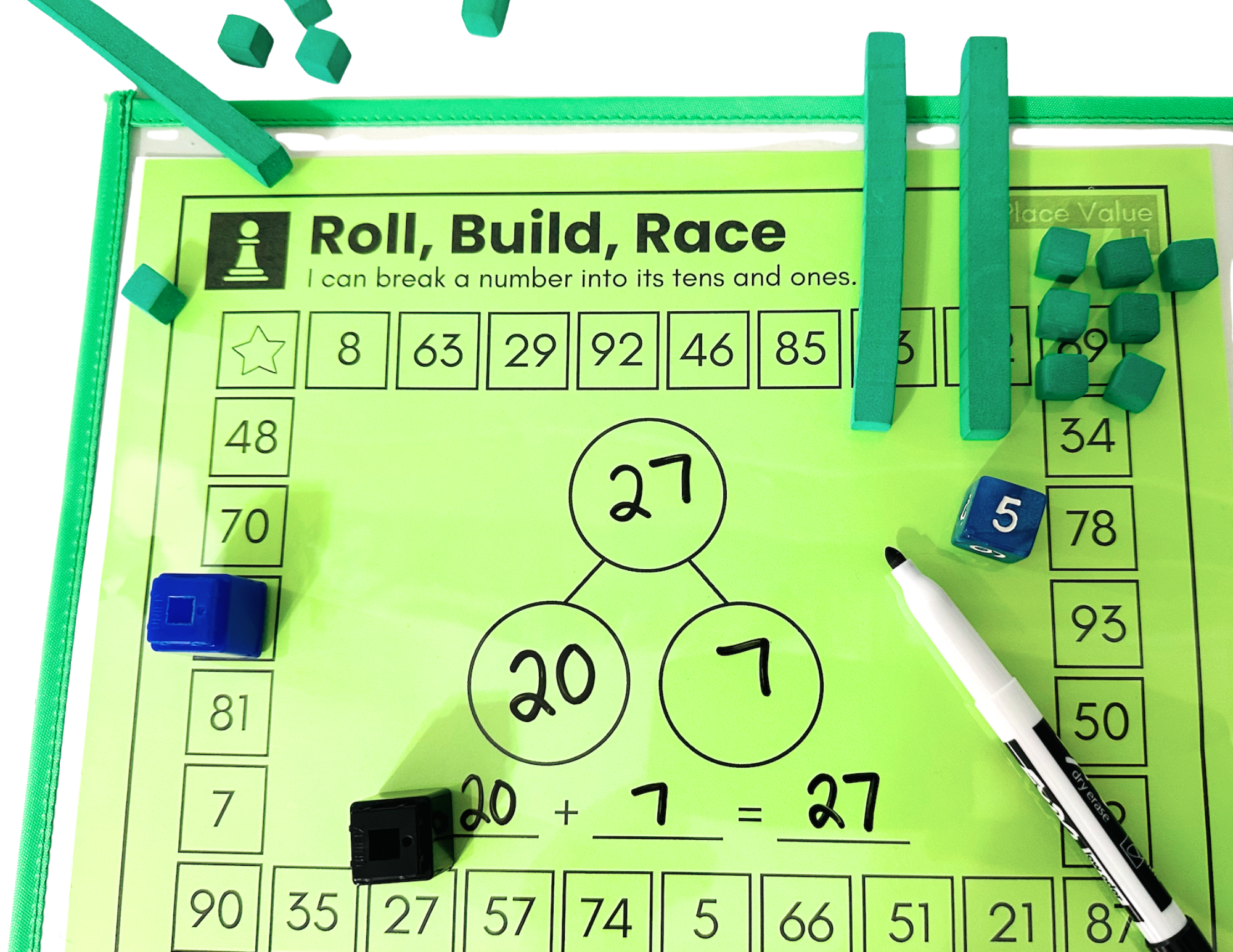

Place value sticks best when students return to familiar routines with new numbers instead of constantly moving on to something new. When structure is consistent, confidence follows.
I would love to hear what your go-to Place Value centers and mini-lessons are. I’m always looking for spiral-review centers and would love to hear what works for your friends! Until then, sign-up here for Guided Math ideas and freebies to land in your inbox every month. Happy teaching, friends.

Where did you get your spinners from? I love that they are clear!!
Hi Karen! Thanks so much for the note and welcome to 1st grade. I've shared more about how I run my math block here – http://thebrownbagteacher.blogspot.com/2015/07/guided-math-in-1st-grade.html
Hi, Thanks for all of the ideas. I was moved from K to 1st this year and sometimes its like my 1st year all over a gain (15 years later). We are just finishing Numbers and Operations and will be starting Place Value on Monday. Do you do mainly whole group or small groups or both for math? Thanks for sharing. Karen
Hello Catherine, I was doing some research the other day and came across your site, wonderful by the way. I realize that you no longer teach 5th grade at this time; however, I would like to know how you used socrative to set up your center work. I purchase many of the centers you used in your literacy centers for big kids post and want to know how i can hold my students accountable for their center work. Any information given would be great thanks