

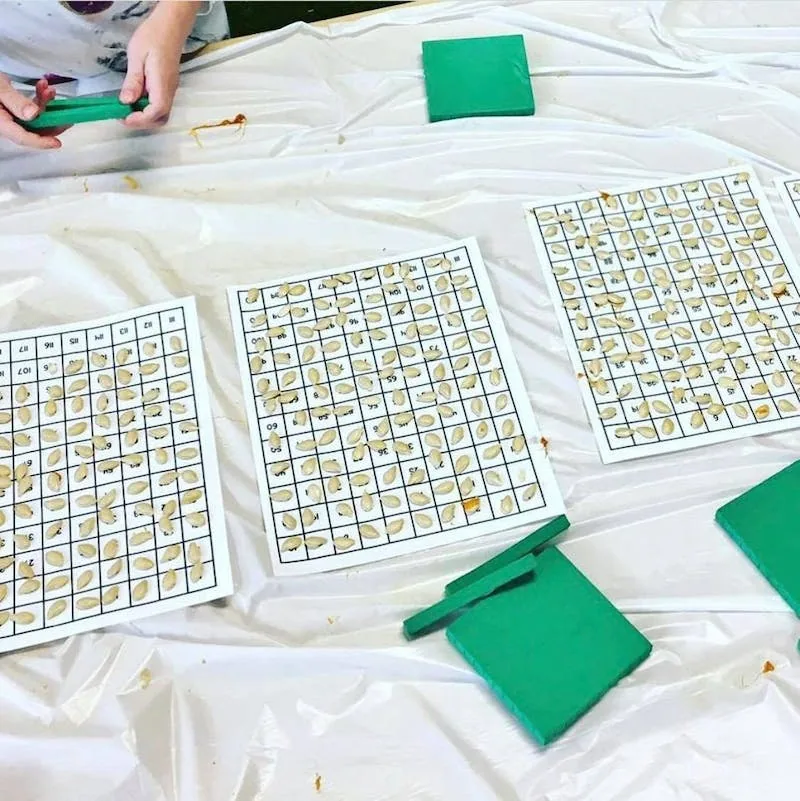
Number charts and place value pieces are the ideal for scaffolding students in the counting of HUNDREDS of seeds. Once the 100s charts are full, students grab the matching place value pieces, and then each group puts their place value pieces in a plastic baggie. Finally during small groups, we order/compare the amounts of seeds from each pumpkin!


Returning to the classroom, we made predictions about what we would find when we dig the pumpkin up in April (on Earth Day). I gave students the sentence stem “When we dig up our pumpkin, I think…” and I expected them to finish the sentence and add a detail. Then, students added an illustration to match.

While I considered making a graphic organizer/handout for the activity, I did not want the responsibilities of keeping up with 23 sheets of paper until April…so our writing journals were the perfect sport for recording our ideas! (If you’re brave and want to keep a piece of paper for 6 months, you can snag these recording sheets.)

Before digging-up our pumpkin in April, we will revisit our predictions beforehand and then, write write/diagram our observations afterward. By April, we will be confidently writing paragraphs, so we will turn our learning into paragraphs. Students will have the choice of writing argumentative paragraphs about the importance of reducing waste and working to convince others to care for our Earth and/or inform/explain paragraphs about what happens to our trash.

Right now, I know the lesson was fairly “random”…and it is! We have not talked about protecting the Earth yet, so it seemed like a “just-because” lesson. As we learn more about caring for the Earth and as Earth Day approaches, this demonstration will come to life.
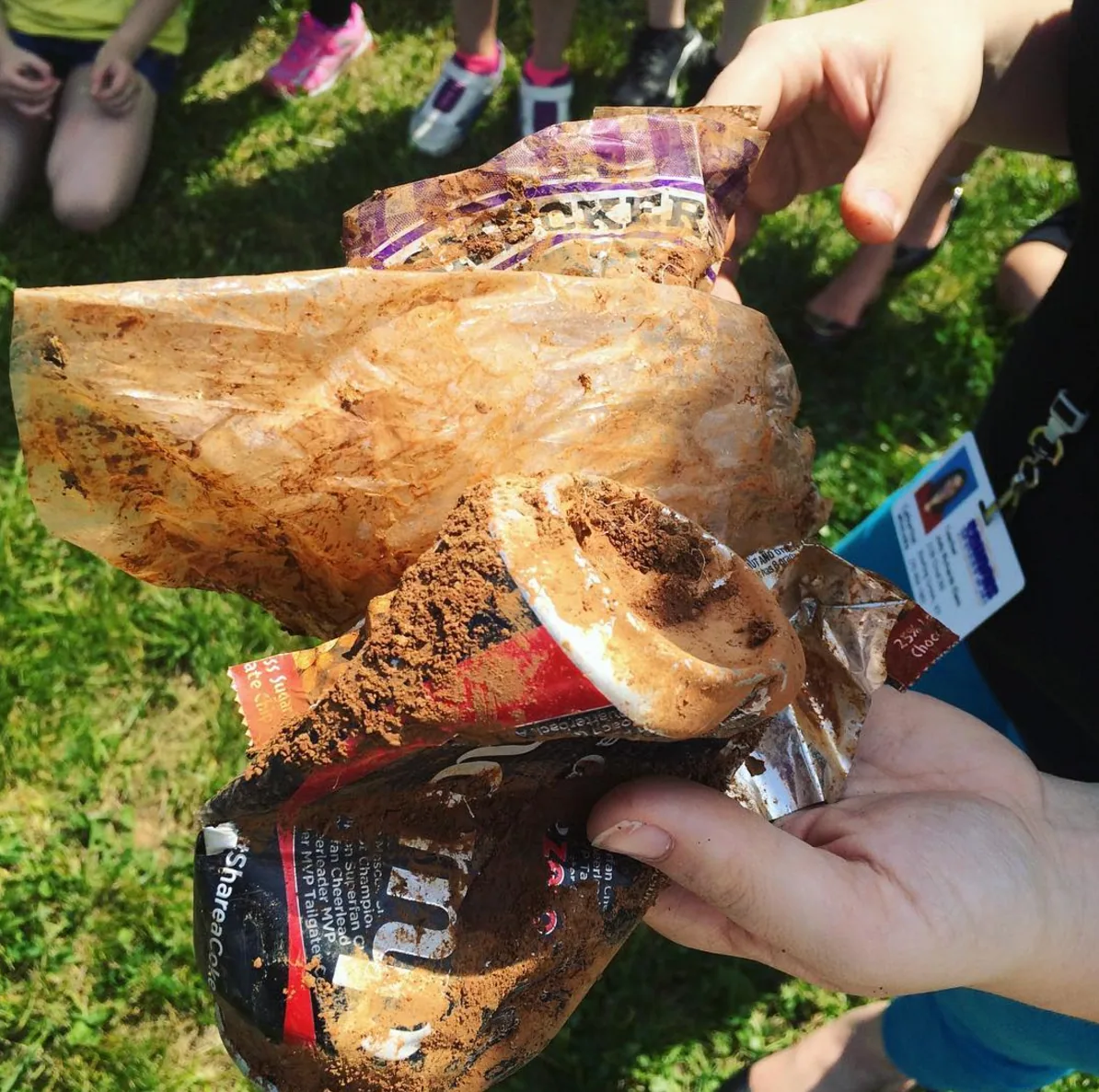
When we dig up the pumpkin in April, the pumpkin is ‘gone’ as will the vegetables inside the pumpkin, while the Diet Coke can, the drinking straw, and all the other inorganic materials are still be there! There are cheers of “Dig deeper!” and students are incredulous that the pumpkin has disappeared. Where could it have gone??
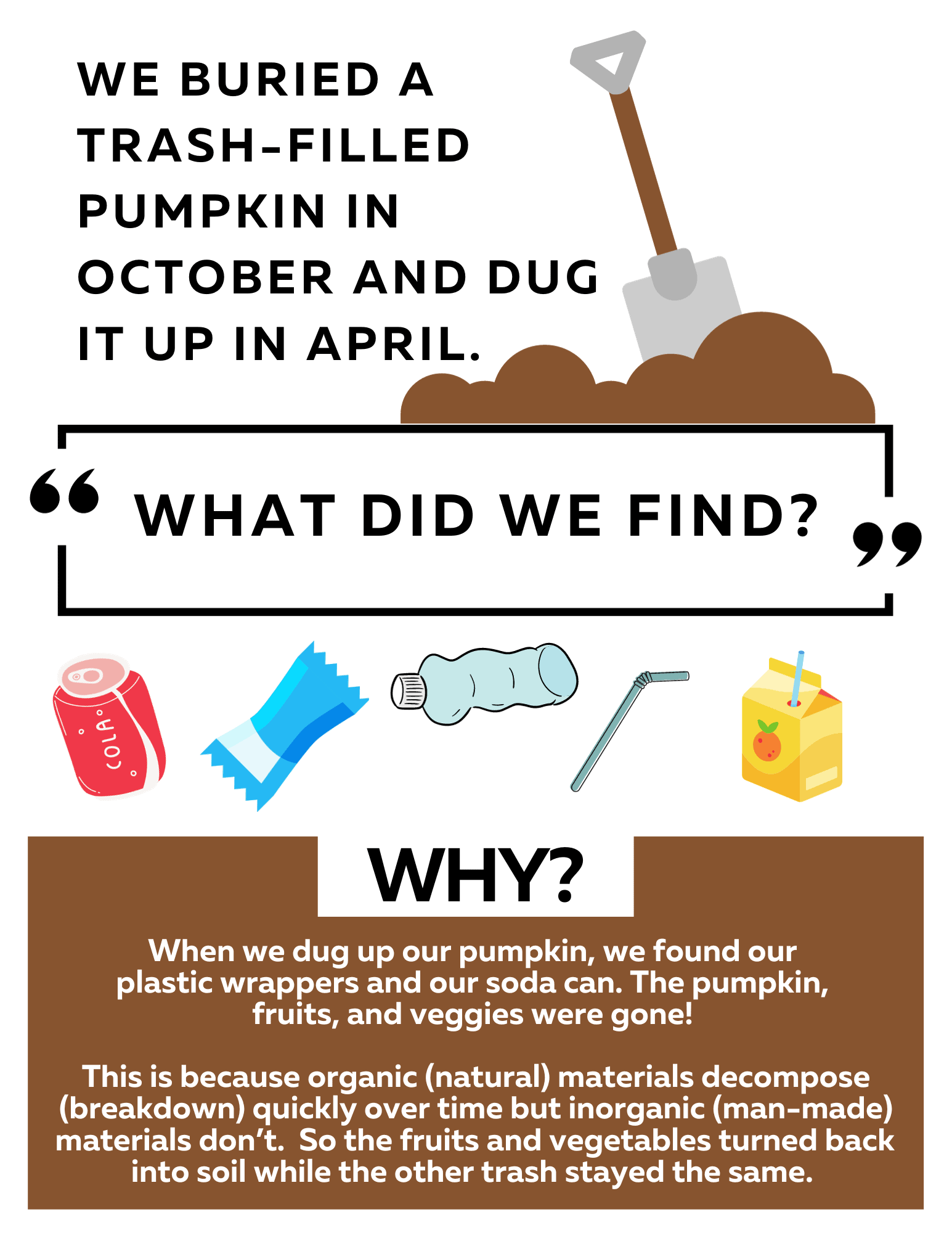
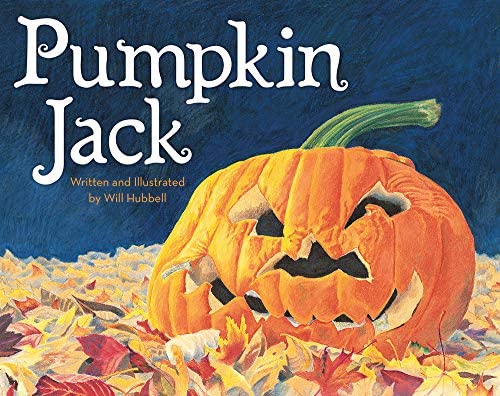
Pumpkin Jack is a perfect literature companion to this activity. BUT don’t read the entire book or you will spoil the magic of the demonstration. I like to read the first few pages of Pumpkin Jack and then read the rest in April (Earth Day) to help explain the science behind the magic.
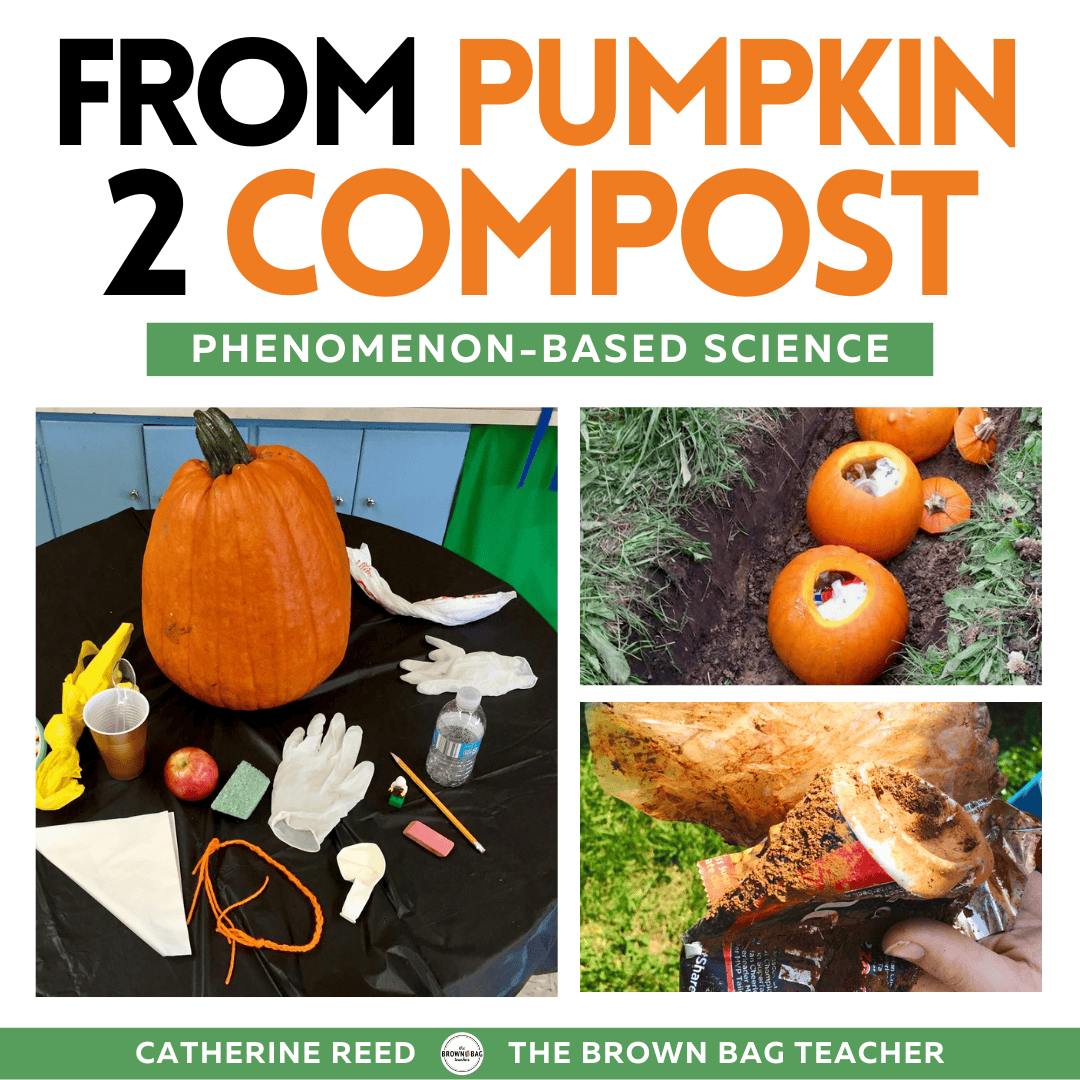
Are you at a school where you can’t dig outside to bury a pumpkin? Not in school on Earth Day? No worries! Here is a quick Google Slides presentation for you to share with you class. It even includes a SciShowKids video at the end!
It is the perfect opportunity to give students a real lesson on why reducing and recycling waste actually matters and what really happens to the trash we throw out! Our classes cannot wait for Earth Day (only 6 months away) to arrive so we can see the fruits of our labor. Until then, happy digging friends!

7 Responses
I absolutely LOVE this!!! I will definitely be doing this during the month!!!
~Traci
The Bender Bunch
This is such a better way to teach the importance of recycling than just telling them! I love it and hope to do something similar!! Thanks for sharing!!
Rachel
A Tall Drink of Water
Fantastic. <3 Mel at catesgarden
Hi there….
I did this activity today and the kids absolutely LOVED it. I dug the hole before school like you suggested. The kids loved helping to add back the dirt and mulch. We had such good conversation about what they think will happen to the pumpkin and all the trash. They are very excited for April to come! Of course, I did tell them that if we have a lot of snow still on the ground then we will have to wait a little longer! Thanks for posting this blog/experiment. It was a lot of fun and although it wasn’t something that I had to teach, it was well worth it!!!!
What an excellent way to teach the students about recycling! Unsure if we would be allowed to bury this at school. Outside anyways!
Well done. This is a great way to show students how important it is to properly dispose of waste. Even with this pumpkin, you gave an example for students what happens to organic food and non-organic waste. I really hope that after this experiment they will be more concerned with the environment.
Thank you so much for sharing this fabulous resource that you’ve created. I look forward to showing it to my class.