
If you’re feeling overwhelmed thinking about your first week of school, I want you to know: you’re not alone. The first week brings a mix of anticipation, pressure, and hope. Whether you’re a brand new teacher or returning for your tenth year, there’s nothing quite like Day 1. It’s full of potential and also, if we’re being honest, a bit of chaos.
The truth? You don’t have to do everything. And you don’t have to figure it all out alone.
Before we talk about plans and pacing, here’s the foundation: the first week of school is not about jumping straight into your curriculum. It’s about building trust, establishing routines, and helping students feel safe in a new space.
No matter what’s printed on your pacing guide, relationships come first.
That means your first week of school lesson plans should be more than a checklist of activities. They should give space for conversation, movement, laughter, and lots (and lots) of modeling. When we go slow now, we go fast later. And when students know what to expect, they can focus on learning—because the brain doesn’t work well in uncertainty.
When you sit down to map out your first five days, here are the categories that matter most:
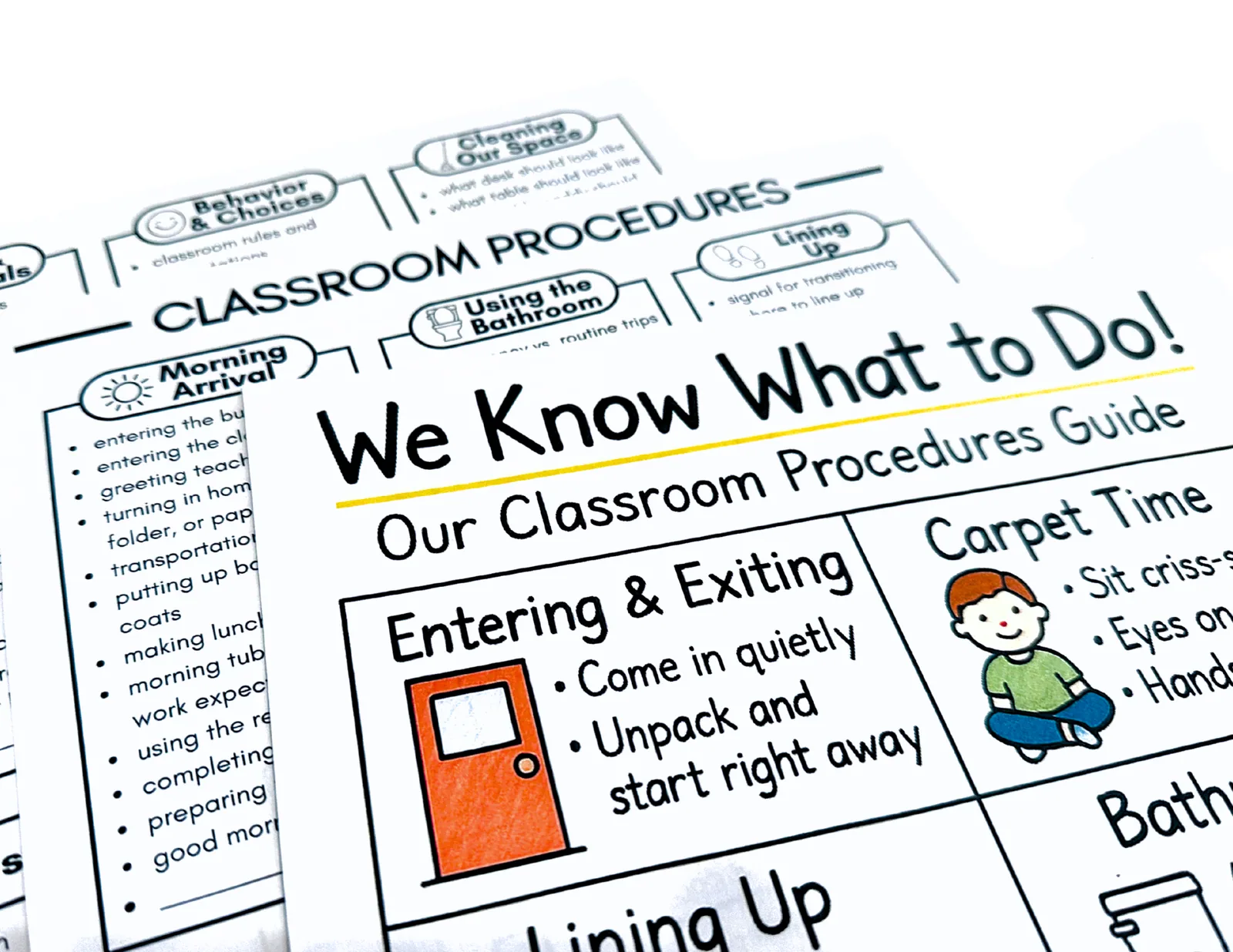
When we explicitly teach students how we do things – how to walk in the hall, how to ask to use the restroom, how to transition between carpet and desk – we remove the guesswork and give kids the confidence to focus on what really matters: learning. This age group thrives on predictability, and procedures create that predictable rhythm. It might feel slow at first — repeating, modeling, practicing, and resetting again. This is how we go slow to go fast. Clear procedures set the tone for respect, responsibility, and independence. They’re not about control; they’re about freedom: the kind of freedom that comes when every student knows what to do and how to do it well.
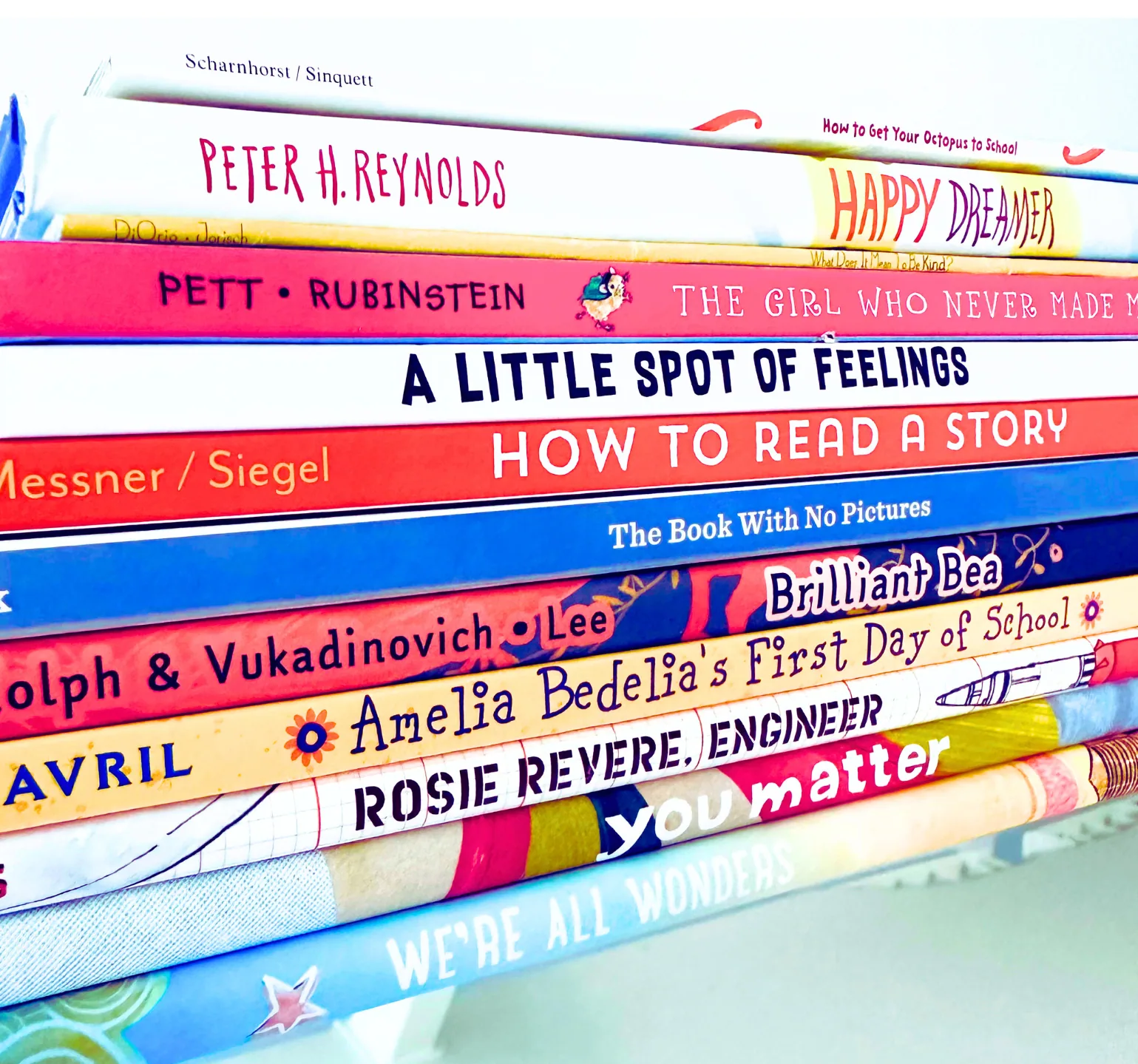
Books anchor us. In those first wobbly days of a new school year — when names are unfamiliar, routines are rough, and every hallway trip feels like a parade — read alouds ground us in something shared. They make us laugh, offer familiar language we can all borrow (“It was a terrible, horrible, no good, very bad day”), and give us instant access to emotions and situations our students may not yet have words for. Through stories, we model empathy, boundaries, kindness, and even how to navigate tricky moments — all without turning it into a lecture. Books spark conversation, diffuse tension, and help a class of strangers start to become a community. On day one, students may not know where to hang their backpacks, but they’ll know they belong on the carpet for a read aloud.
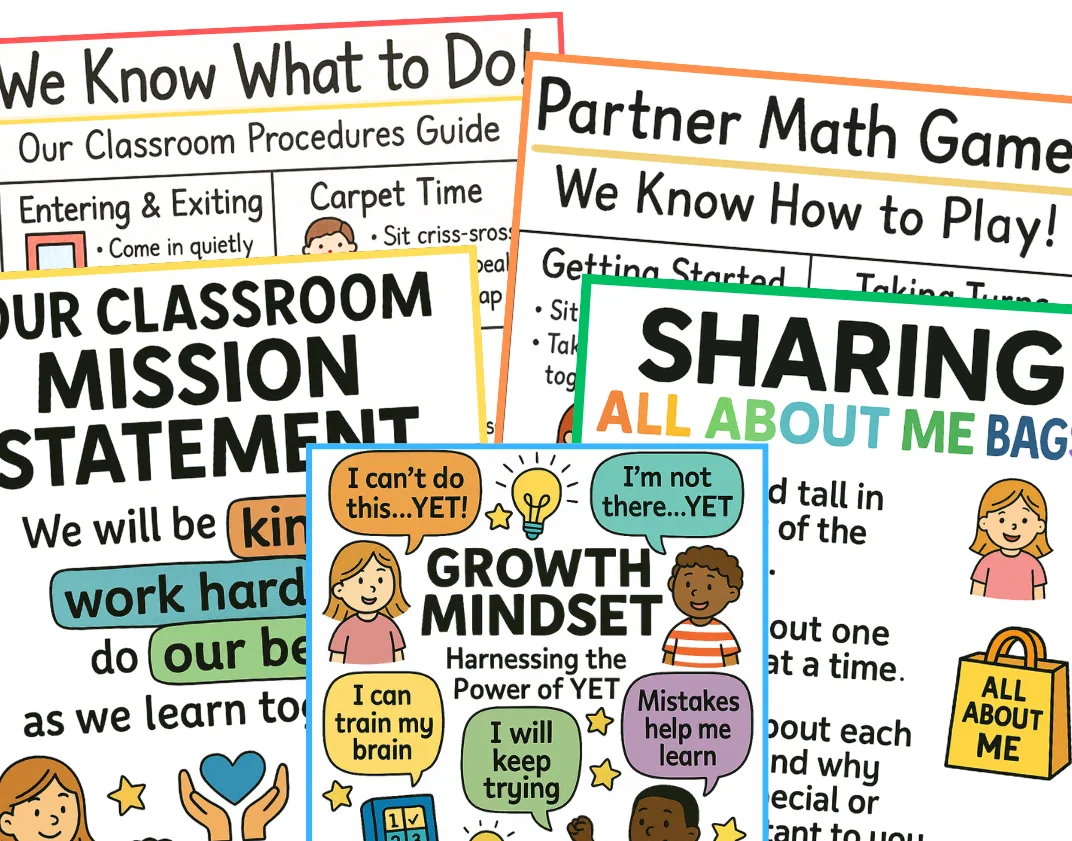
Introduce low-stakes activities that teach how to work with a partner: how to take turns, how to share space, how to solve a small conflict without adult help. These are foundational life skills.
Building a strong classroom community doesn’t require fancy supplies or hours of prep — it just takes intention and consistency. Get to Know You activities are designed to help students feel seen, heard, and connected — even in the earliest days of the year. Whether you’re using the “All About Me” bags, the a “This or That” favorites list, quick and meaningful activities give students a safe way to share about themselves and learn about others. They also give you valuable insight into personalities, interests, and relationships beginning to form.
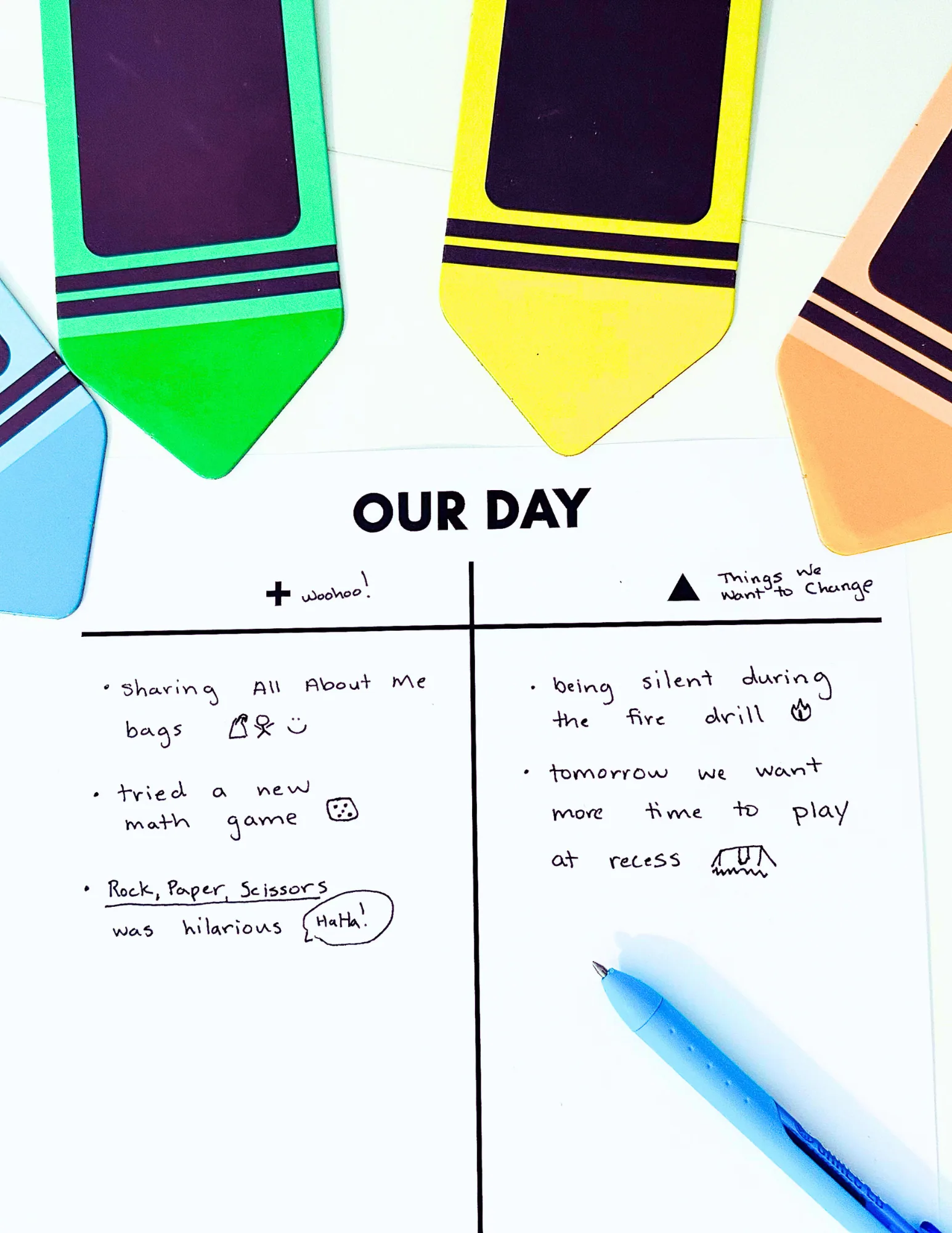
End each day with a question, journal page, or whole-class debrief. What did we learn about our classroom today? Which parts of our day made us smile? What do we want to practice again tomorrow? This is a great way to prep students for when their families ask “How was school today?” You might also consider taking a picture of the whole-class reflection to send to families via Remind or Dojo as a simple conversation starter!
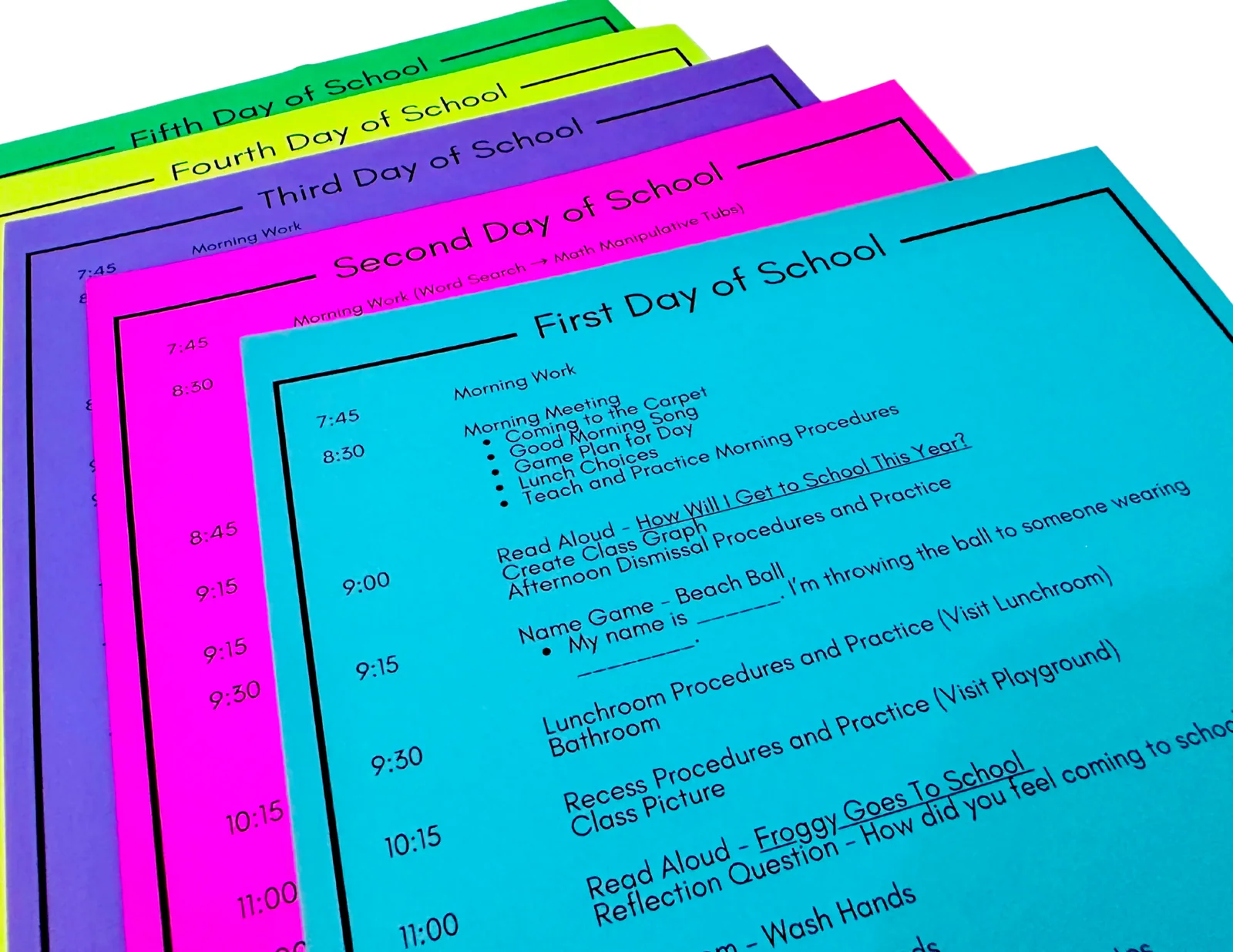
Several years ago, I sat down and pulled together my first week of school lesson plans from six years of teaching 1st and 2nd grade. I realized I had been reinventing the wheel every August—re-typing routines, reprinting charts, rewriting my morning messages. So I stopped.
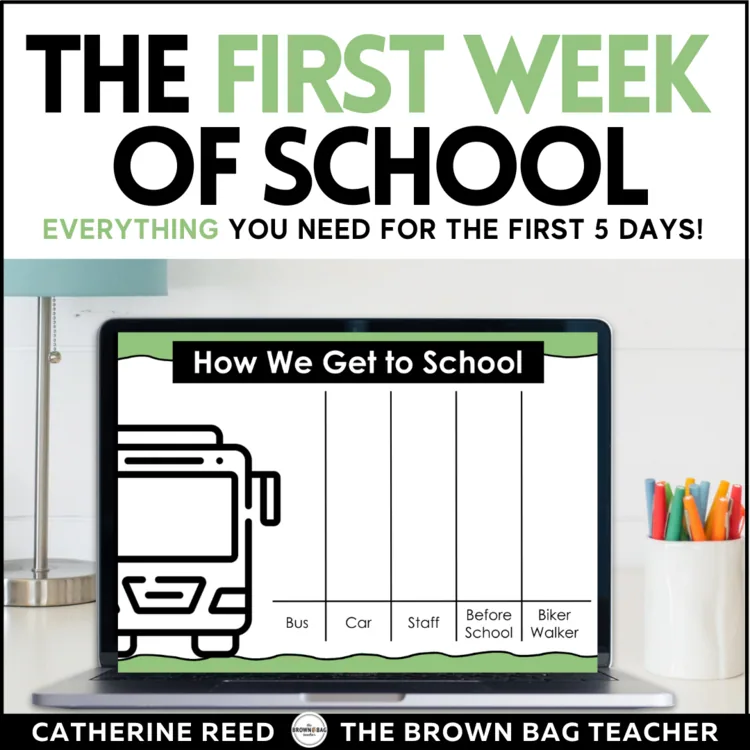
I made a flexible, comprehensive resource for myself—one that had structure but also space. That resource now lives in my shop, and it includes:
✅ Five full days of flexible, low-prep plans
✅ Over 130 classroom procedures with visuals
✅ Morning work, centers, and end-of-day reflections
✅ Math partner games (plus how-to teach routines)
✅ Get-to-know-you games and writing prompts
✅ Positive postcards, transportation tools, and more
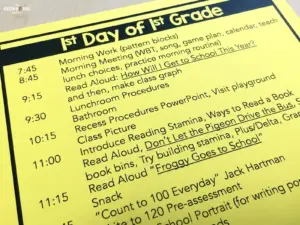
I’m sharing it not because I think you need more, but because I know what it feels like to want a clear plan that you can actually follow—and adjust when needed. See some sample first days of school on the blog – first day, another first day.
A great first week isn’t about covering content—it’s about setting the tone. If your students feel safe, welcomed, and clear on what to expect, you’ve done something powerful.
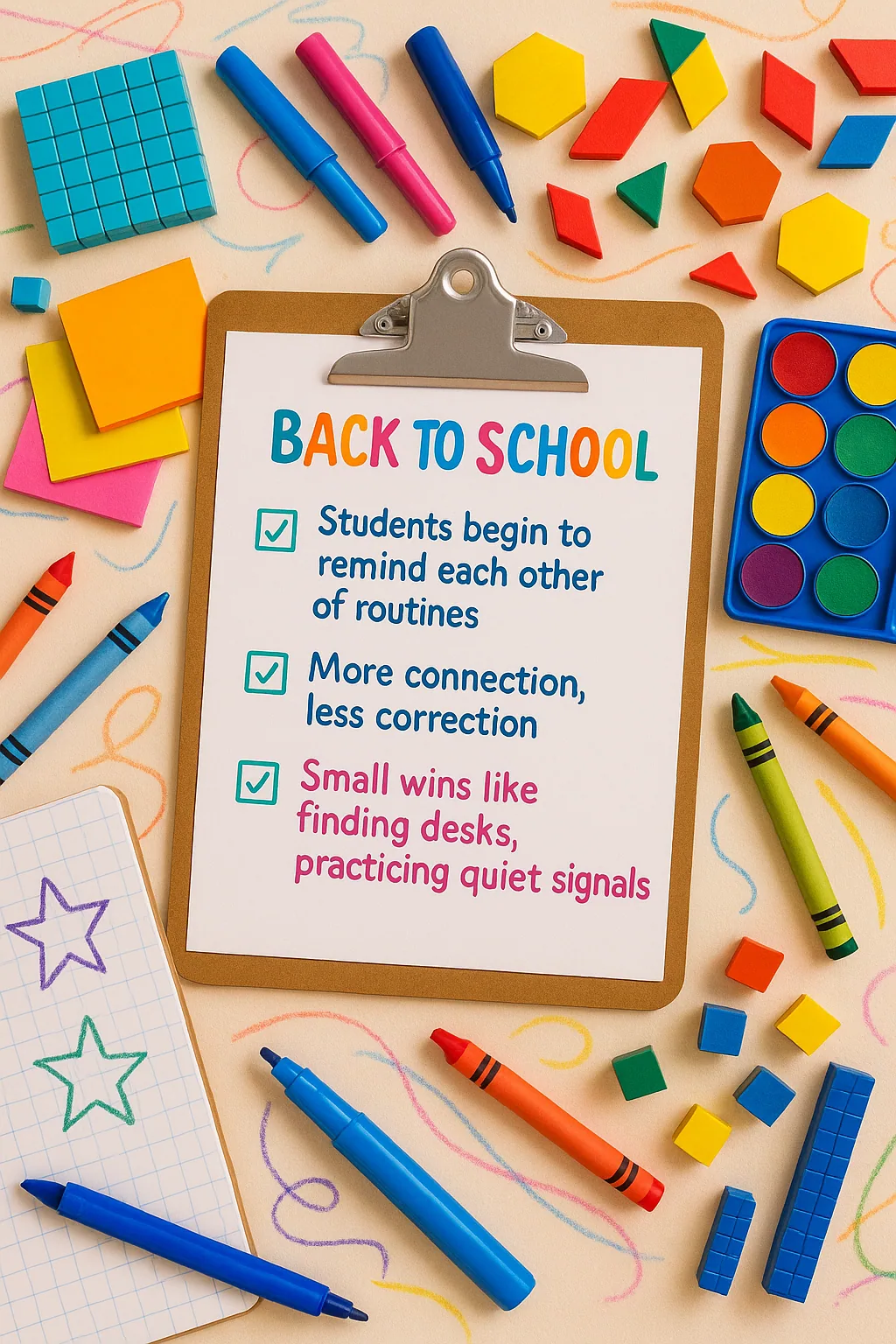
A few indicators you’re on the right track:
Students begin reminding each other of routines
You hear laughter.
You’re spending more time connecting than correcting
Kids feel proud of small wins: finding their desk, using a quiet signal, helping a classmate
You are allowed to not be perfect this week.
You’re allowed to reread a book because it worked so well, to scrap a plan mid-lesson because your students need something different.
And you’re allowed to use a resource someone else created because your energy is better spent on the kids in front of you.
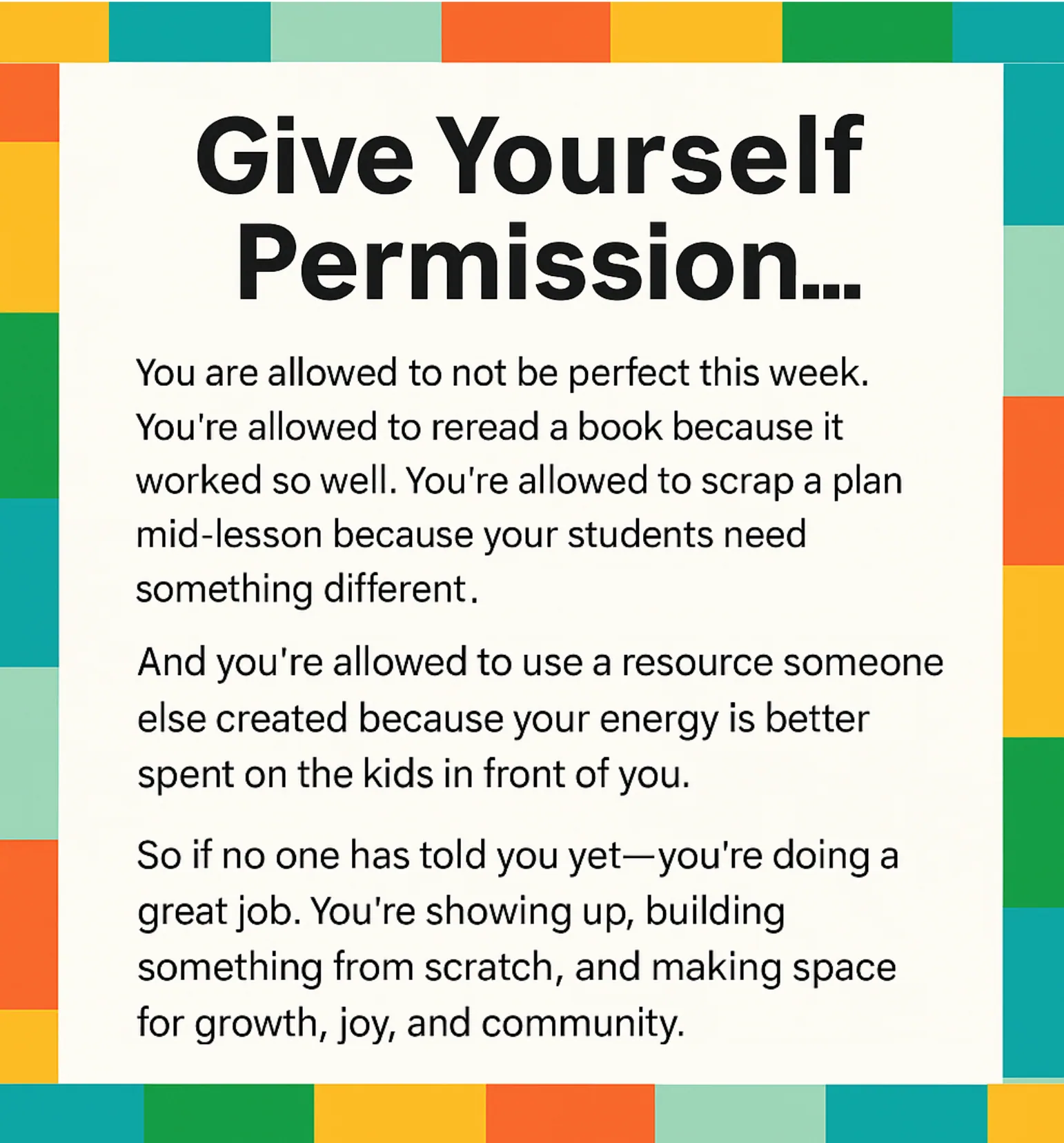
So if no one has told you yet—you’re doing a great job. You’re showing up, building something from scratch, and making space for growth, joy, and community. That’s what the first week is all about.
Planning your first week of school shouldn’t leave you burned out before Open House. Whether you’re piecing together ideas from past years or starting fresh, I hope you give yourself the same grace you give your students.
Take what works. Leave the rest. And most importantly, remember that the teacher you already are is exactly who your students need.