
Number charts serve as valuable tools for students, offering a visual guide that makes understanding numerical patterns easier. They enhance counting skills, boost mathematical fluency, and provide a practical resource for problem-solving and reinforcing key math concepts.
So the vote is unanimous. We LOVE our number charts in Kindergarten, 1st, and 2nd Grade. It makes a nice year-round center and is just great fluency practice for students. Let’s explore ways to work on a number chart or mix-up your card routine.
A number chart is a great tool for practicing subitizing, representing numbers, as well as, addition/subtraction with 0 and 1. Throughout the second semester, this is a continuous center in our kindergarten math rotations. As students become faster in completing the chart (many times it initially takes 25-30+ minutes to complete the chart, while only 10-12 minutes when they have mastered the patterns/skill).
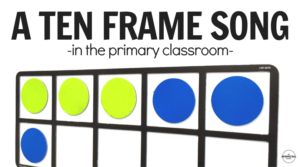
Students ‘level-up’ as they work with the chart. In the Kindergarten Set (0-50) There are 8 levels of cards included in this resource, with sets 5 and 6 including two types of cards (a set of addition and a set of subtraction). You can order and rearrange these sets to meet the needs of your learners. Initially I only use the ten frame cards (1-10 then 1-20, 1-30 etc.) for all 3 of my math groups. Students pull a number and then, place it in its home. 
Many students will individually count each square on the number chart until they find the desired home. Eventually, students will discover ‘tricks’ for finding the number’s home – counting by fives/tens, noticing the number’s relationship to other numbers in the chart, etc. During this phase, you might have students pull out their ten frames, counters, or other manipulatives and show the number card they are placing. After students are successful using the ten frame cards, I introduce the domino and tally cards.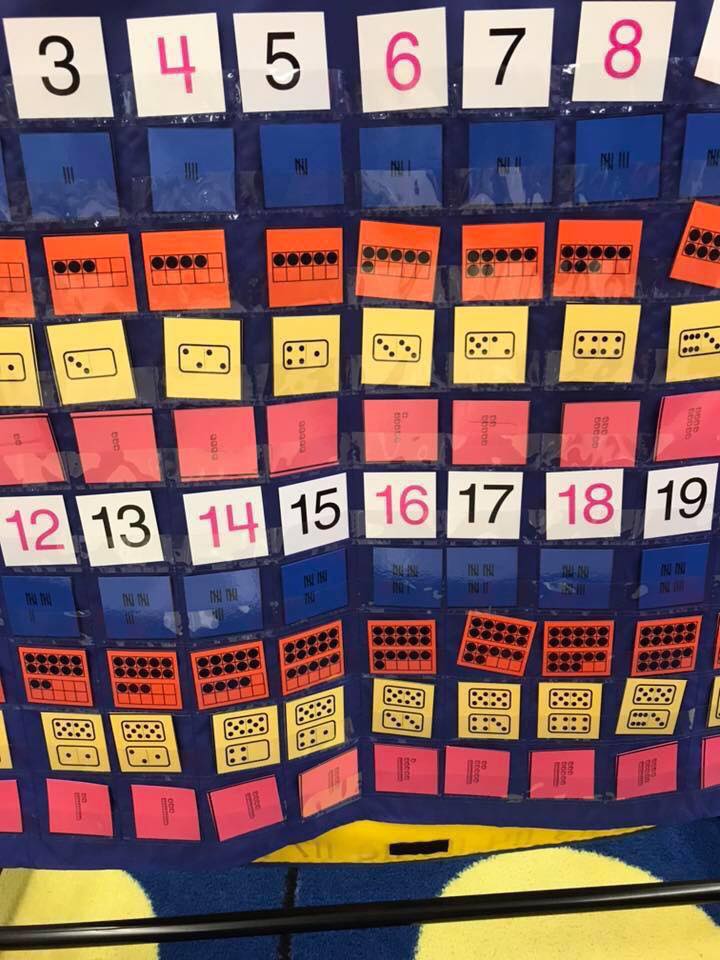
The 120’s chart is a great tool for practicing place value, expanded form, and addition facts. Additionally, when students place numbers on the 120’s chart, they are learning to notice patterns on the 120s chart. Throughout the first semester, this is a continuous center in our math rotations. As students become faster in completing the chart (many times it initially takes 25-30 minutes to complete the chart, while only 10-12 minutes when they have mastered the patterns/skill). Students ‘level-up’ as they work with the chart. 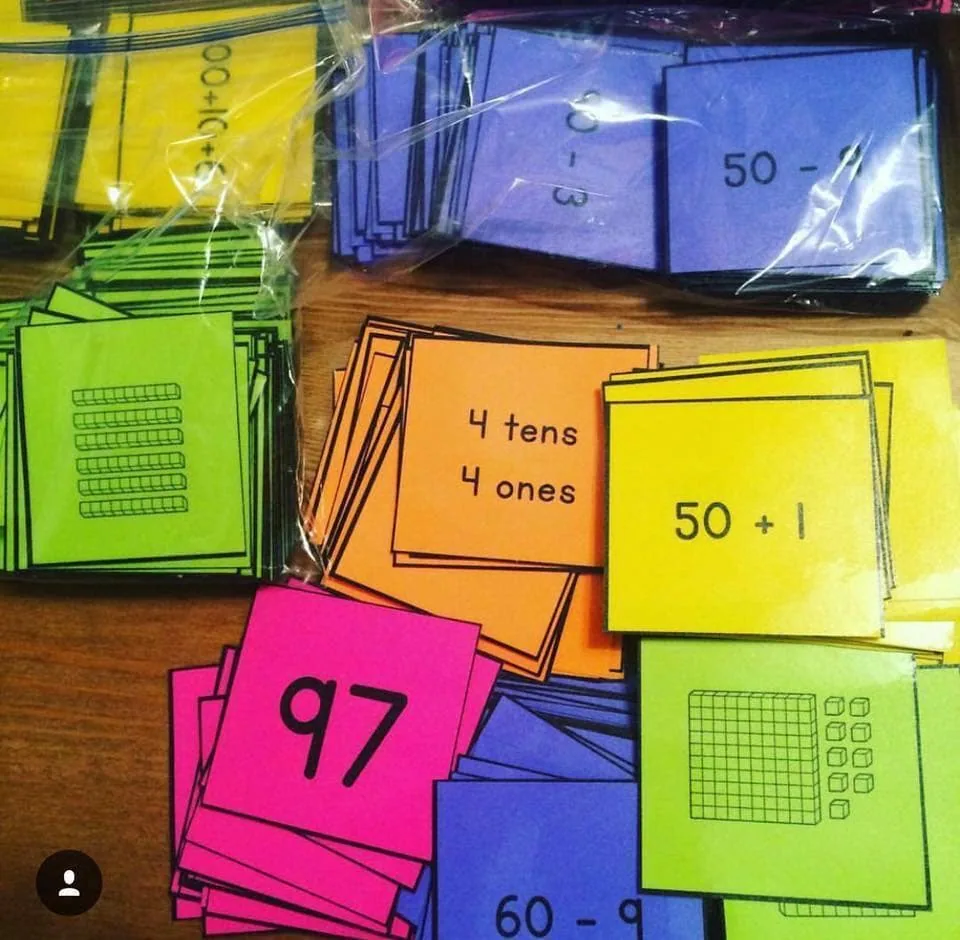
Initially I only use the number cards (1-120) for all 3 of my math groups. Students pull a number and then, place it in its home. Many students will individually count each square on the 120s chart until they find the desired home. Eventually, students will discover ‘tricks’ for finding the number’s home – counting by tens, noticing the number’s relationship to other numbers in the 120s chart, etc. After students are successful using the number cards, I introduce the Place Value cards. These place value cards are perfect for practice counting tens and ones. Next, I introduce the tens/ones cards for the numbers (1 ten 8 ones). Students use Set 4 to review the expanded form of each number, placing it on the chart (30 + 8). I use Set 5 later in the year when we work on subtraction and Set 6 when we need practice Making 10 to Add. To keep the cards organized and easy to sort, I copy them on colored cardstock, each set in a plastic baggies, magnet-ed to the back of a filing cabinet where our 120s chart hangs. Students know which baggies to grab and love to beat their fastest time! 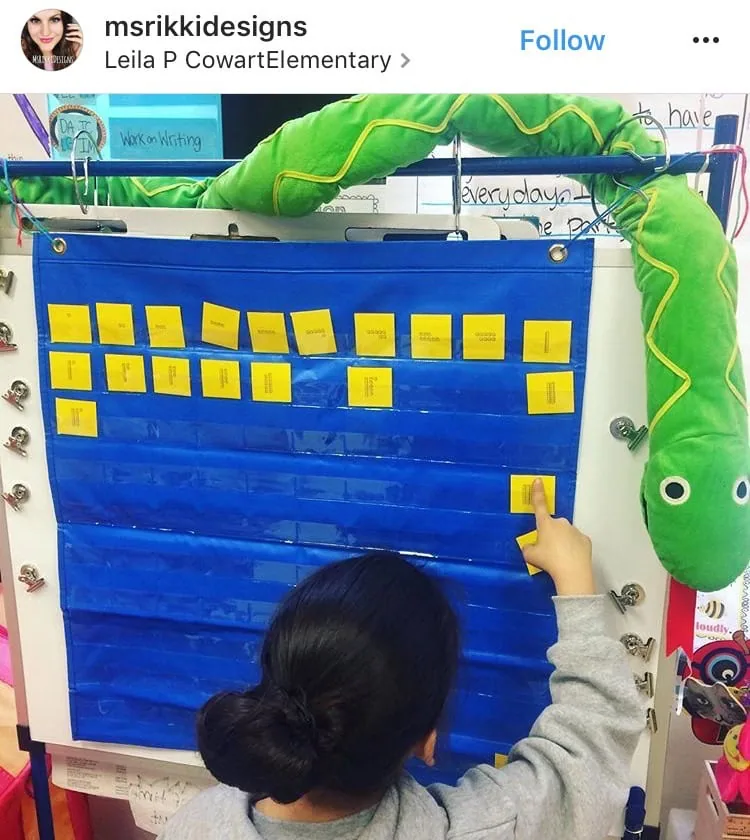
Grade-level standards are for EVERY students. Sometimes that access may require a just-in-time, temporary support for students. Check out some of teachers go-to supports when working on the numbers chart!


Include these cards as a part of your daily morning routine. Place one card on each desk. As students walk into the classroom each morning, they will make lunch choices, put away their backpacks, and then, place their card on the numbers chart. At your morning meeting, look at the placed cards and decide which ones (if any) need to be replaced.
Give students one number card (from the same set or mixed for an added challenge). Then, ask students to line-up for specials/lunch/recess ordering themselves greatest-to-least or least-to-greatest. Make sure to leave a basket by the door, so students can drop their number before leaving the room. Note – This is a challenging task and will require a solid chunk of time when first played!
Sensory bins support students by engaging multiple senses, promoting hands-on exploration, and enhancing learning experiences through tactile, visual, and auditory stimuli. They foster sensory integration and cognitive development. Add your card levels into rice, beans, or any other materials and get students working! 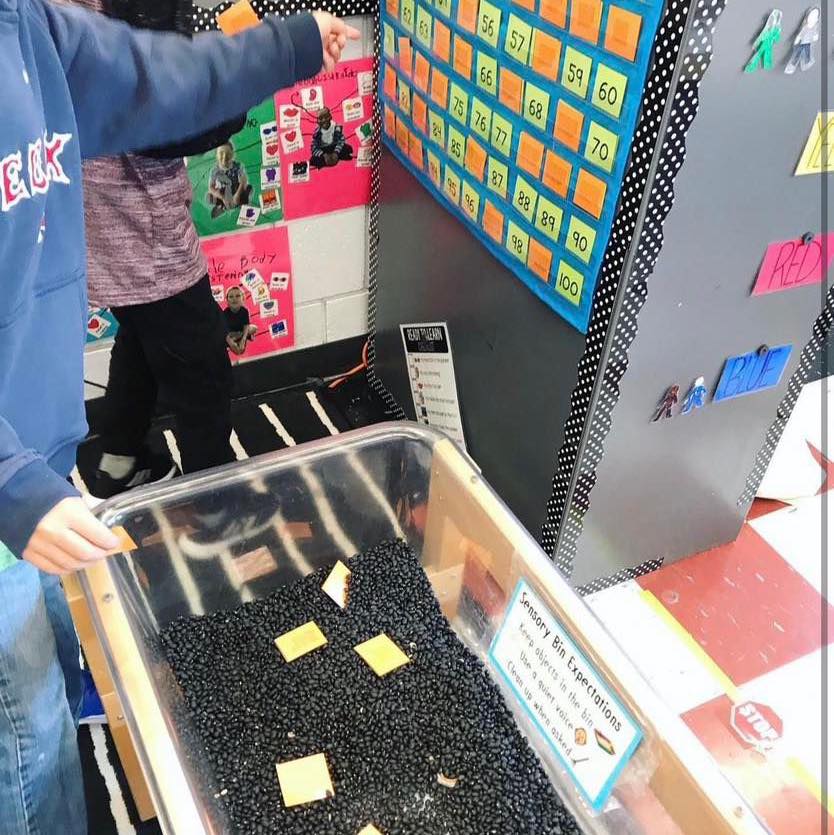
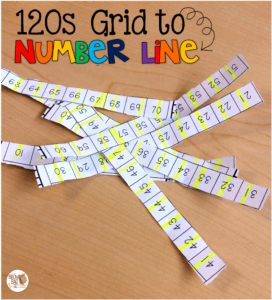
Allowing students to clip the numbers on a number line (or place them on a hard surface) is the perfect way to practice counting in order. For this activity, you might choose a smaller range of numbers for students to work with (0 – 20 or 15 – 35). To bump-up the challenge, you might even “lose” a few numbers and have students add a sticky note for the missing numbers.
Working with a smaller range of numbers, a calendar pocket chart is a perfect place for students to work with numbers in a familiar format. Be warned – using a calendar pocket chart saves space but it doesn’t allow for students to follow the traditional row-of-ten pattern, so it may be challenging for some students. 
Ultimately, number charts are versatile and essential tools across various grade levels. In Kindergarten, they aid in subitizing and addition/subtraction skills, gradually advancing through levels. In 1st and 2nd Grade, the 120s chart supports place value, expanded form, and addition facts. Teachers can scaffold learning by stacking cards on previous sets, incorporating math manipulatives, and implementing creative activities like morning warm-ups, lining up exercises, sensory bins, clothesline numberlines, and calendar pocket charts. These strategies engage students, reinforce skills, and make a sustainable math center.