
Authors choose story structures for a purpose. Story structures that you can use when writing or teaching narrative texts. Narrative writing is an important skill that students need to master as it helps them to express themselves, develop critical thinking skills, and understand complex ideas. Reading Standard 5 requires students to understand the different story structures.
So let’s do it. Let’s take a look at three different story structures: linear, circular, and nonlinear, and some teaching tips and ideas that can help students understand them.
Throughout the post, you’ll find Amazon Affiliate links, which means Amazon tosses a few nickels my way if you purchase something through that link, at no extra cost to you, that help keep my corner of cyber-space running and helps fund giveaways!
A linear story structure is a straightforward, chronological narrative that moves from the beginning to the end in a straight line. The plot follows a clear cause-and-effect pattern, and events unfold in a logical sequence. The focus is on the plot and character development, and there is usually a clear resolution at the end of the story.
“Odd Bird” by Derek Desierto follows a bird who, feeling out of place due to its plain feathers, tries to fit in but eventually learns to appreciate its uniqueness. The story has a natural linear from the bird’s insecurity to its attempts at change, ultimatel ending with self-acceptance and celebrations from the other birds.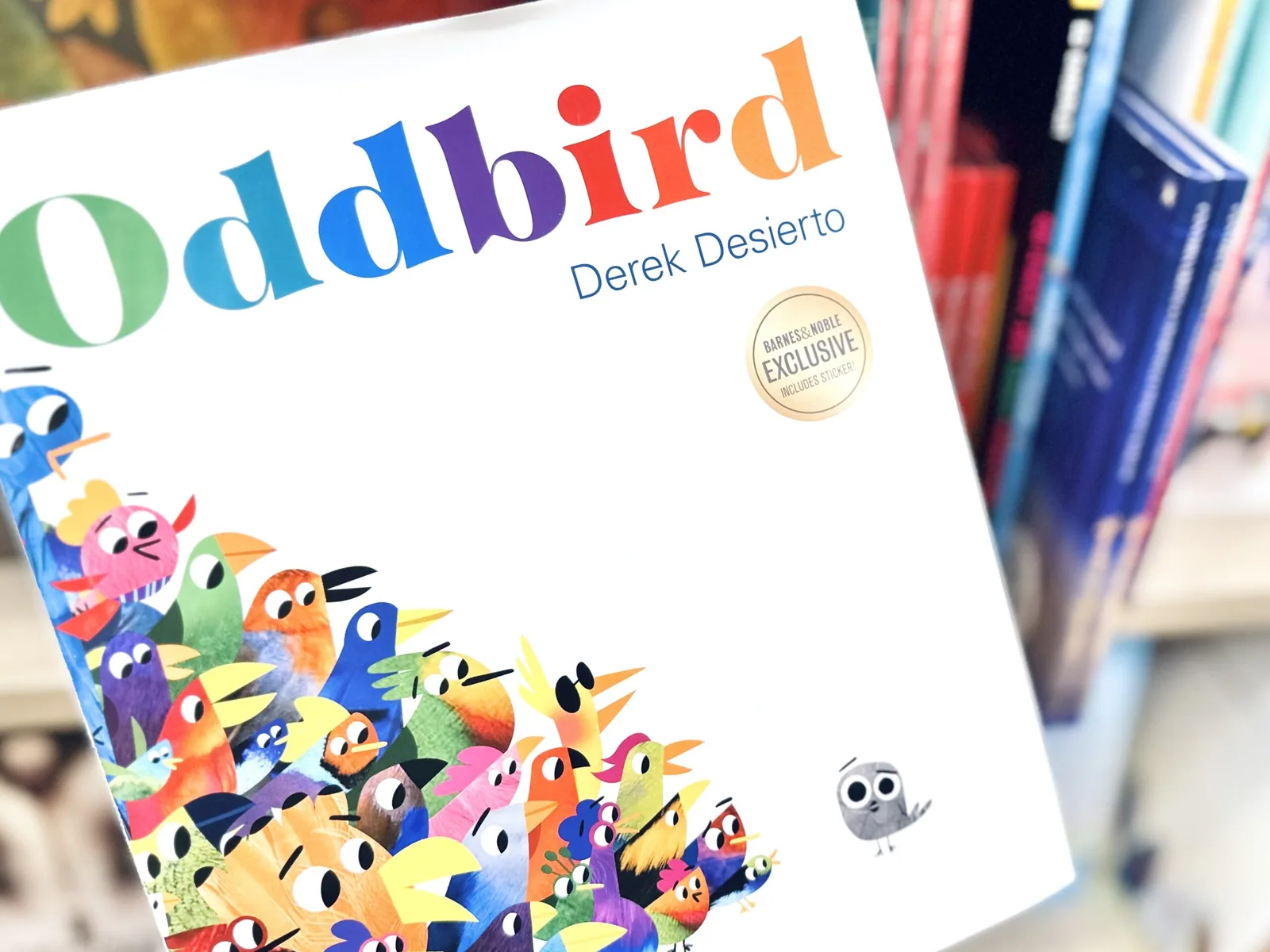
Teaching Tip: When teaching linear story structure, use a plot diagram to help students visualize the events in the story. A plot diagram is a visual tool that shows the main elements of a story, including the exposition, rising action, climax, falling action, and resolution. Have students read a linear story and then sequence the events of a story in the correct order.
These stories have a clear beginning, middle, and end. One example of a linear story is The Three Little Pigs. The story begins with the pigs building their houses, continues with the wolf blowing down the first two houses, and ends with the pigs outsmarting the wolf and living happily ever after in their brick house.
A circular story structure is a narrative that ends where it began, creating a sense of completion or closure. In a circular story, the protagonist returns to the beginning of the story, but has undergone a significant transformation or gained a new understanding of the world around them. This type of story structure is often used to convey themes of growth, change, and redemption.
Teaching Tip: When teaching circular story structure, encourage students to look for patterns and repetitions in the story. Have them analyze the protagonist’s journey and how it has changed from the beginning to the end of the story.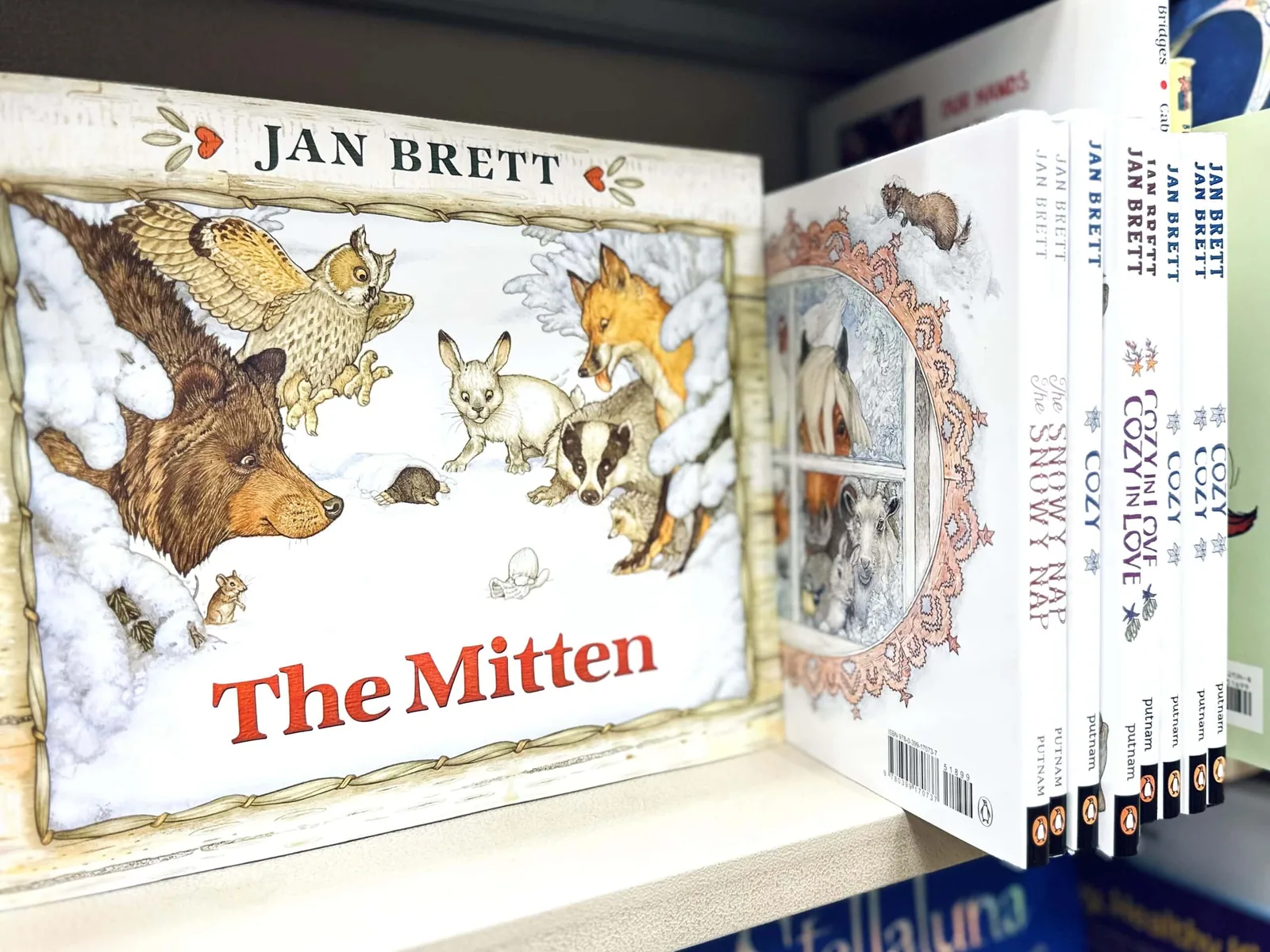
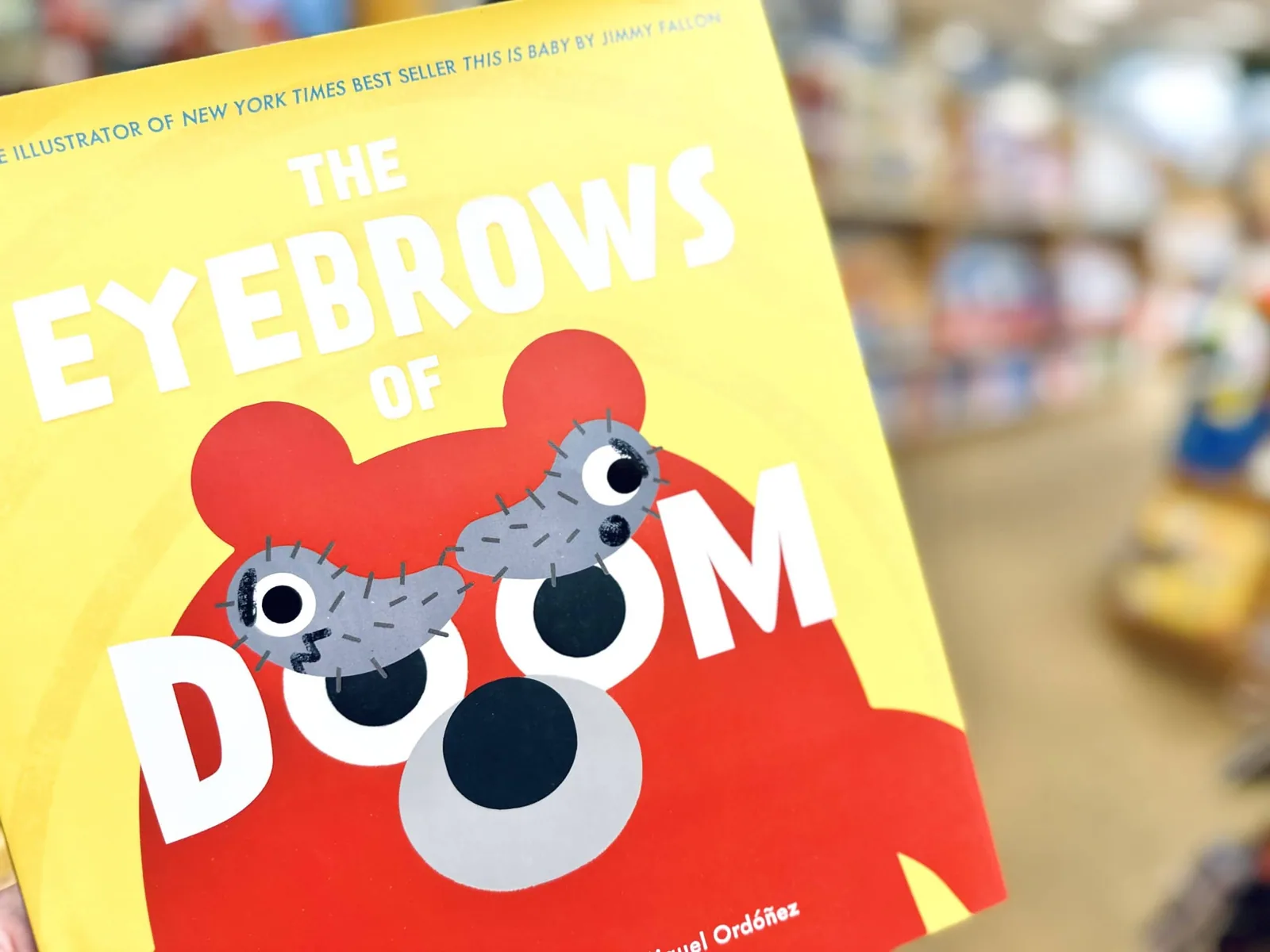
A circular story structure is where the story begins and ends in the same place, often with the same or a similar phrase. This type of structure is often used in stories with a moral or lesson. One example of a circular story is The Giving Tree. The story begins with a boy and a tree and ends with an old man and a stump, but the message is that giving is the most important thing.
A nonlinear story structure is a narrative that does not follow a chronological sequence and are episodic in nature. The plot may jump around in time, location, or point of view, and the events may not follow a clear cause-and-effect pattern. This type of story structure can be more confusing for students if not properly scaffolds because it can create a sense of disorientation or confusion, with more complex storytelling techniques.
When teaching nonlinear story structure, encourage students to pay attention to the clues that indicate a change in time, location, or point of view. With students, we analyze the story structure and how it affects our understanding of the plot and characters. Stories told by multiple narrators, told in a series of flashbacks, or with parallel storylines as are nonlinear texts. They are episodic in nature.
These stories often require readers to infer the order of events and can be more complex. One example of a nonlinear story is The True Story of the Three Little Pigs. The story is told from the wolf’s point of view and events are out of order. The story begins with the wolf talking to the reader from jail, then goes back in time to tell the story of him trying to borrow sugar from the pigs, and ends with the wolf back in jail.
Understanding different story structures is apart of our Kentucky reading standards and it is important for both writing and reading narrative texts. Exploring linear, circular, and nonlinear story structures gives students a deeper understanding of plot, character development, and thematic exploration. Use these teaching tips and examples to help your students master narrative writing and develop their critical thinking skills.