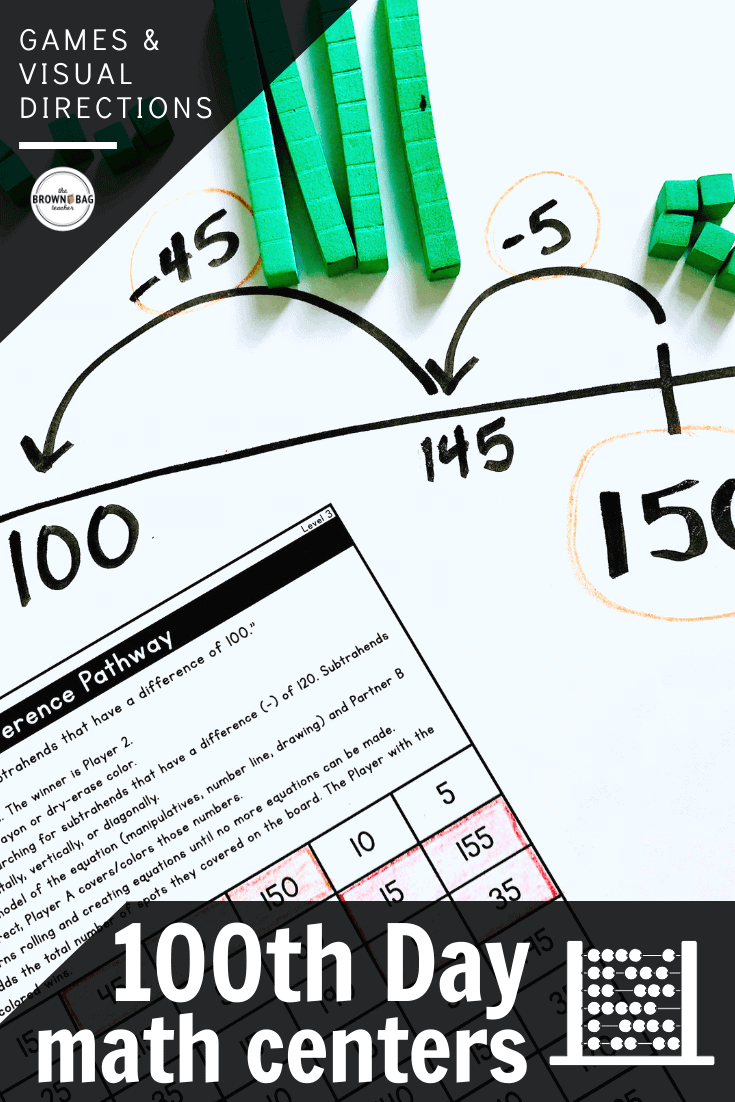

The 100th Day of School. A day for celebrating, reflecting, and ideally – a little bit of learning! Between a recent Winter Break, the 100th Day of School, and Valentine’s Day, as a teacher I longed for normalcy. Just a few stretches of our traditional, daily schedule and routine with some 100-pizazz thrown in. The math centers and technology tools showcased in this post are just that.
For me, the 100th day is not about racing through activities or counting by ones all day. It is about helping students see 100 as a number with structure. A number they can build, break apart, compare, and reason about. The centers in this post are designed to do exactly that.
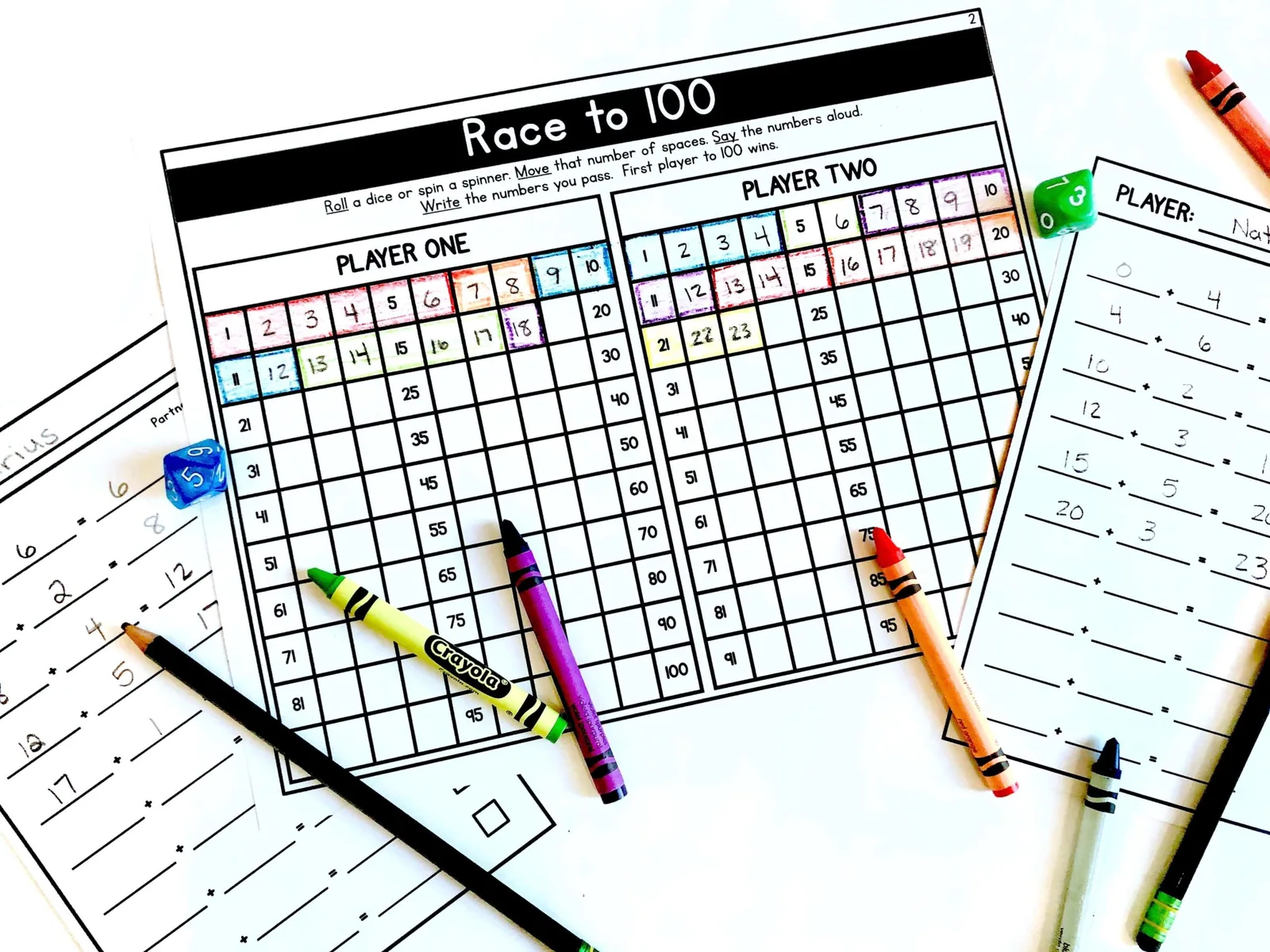
In the traditional Race to 100/120 math game, students take turns rolling dice and moving their counter on the playing board. Ideally students are counting aloud as they pass each number…but really they are counting the number of spaces they are supposed to move. In this bumped-up version, students work to fill in the missing numbers on the chart as they move, as well as, write the coordinating equation. Writing equations alongside movement shifts the focus from how fast students reach 100 to how numbers are composed along the way.
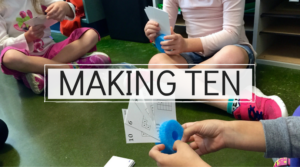
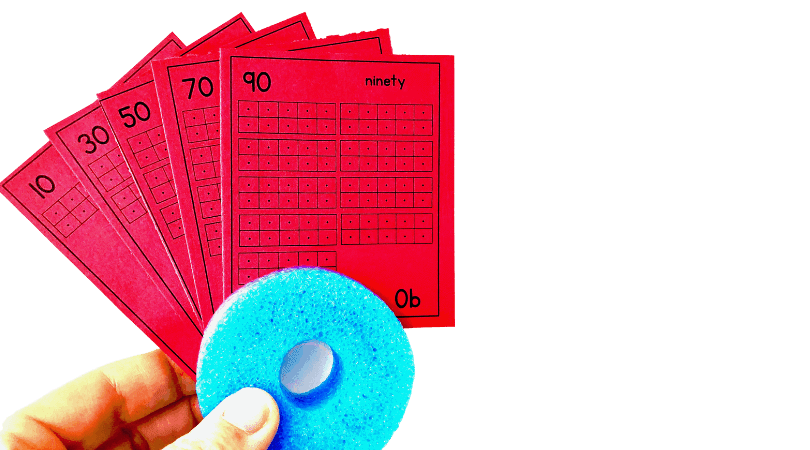
Our traditional Making 10 Go Fish has been upgraded to 100. Using ten-frames as a visual support, students work to find combinations of 100 (or 120). Using ten frames keeps the focus on structure, helping students visualize 100 as groups of tens rather than a distant counting goal. Make these simple and inexpensive pool-noodle cardholders to make students easily hold the playing cards.
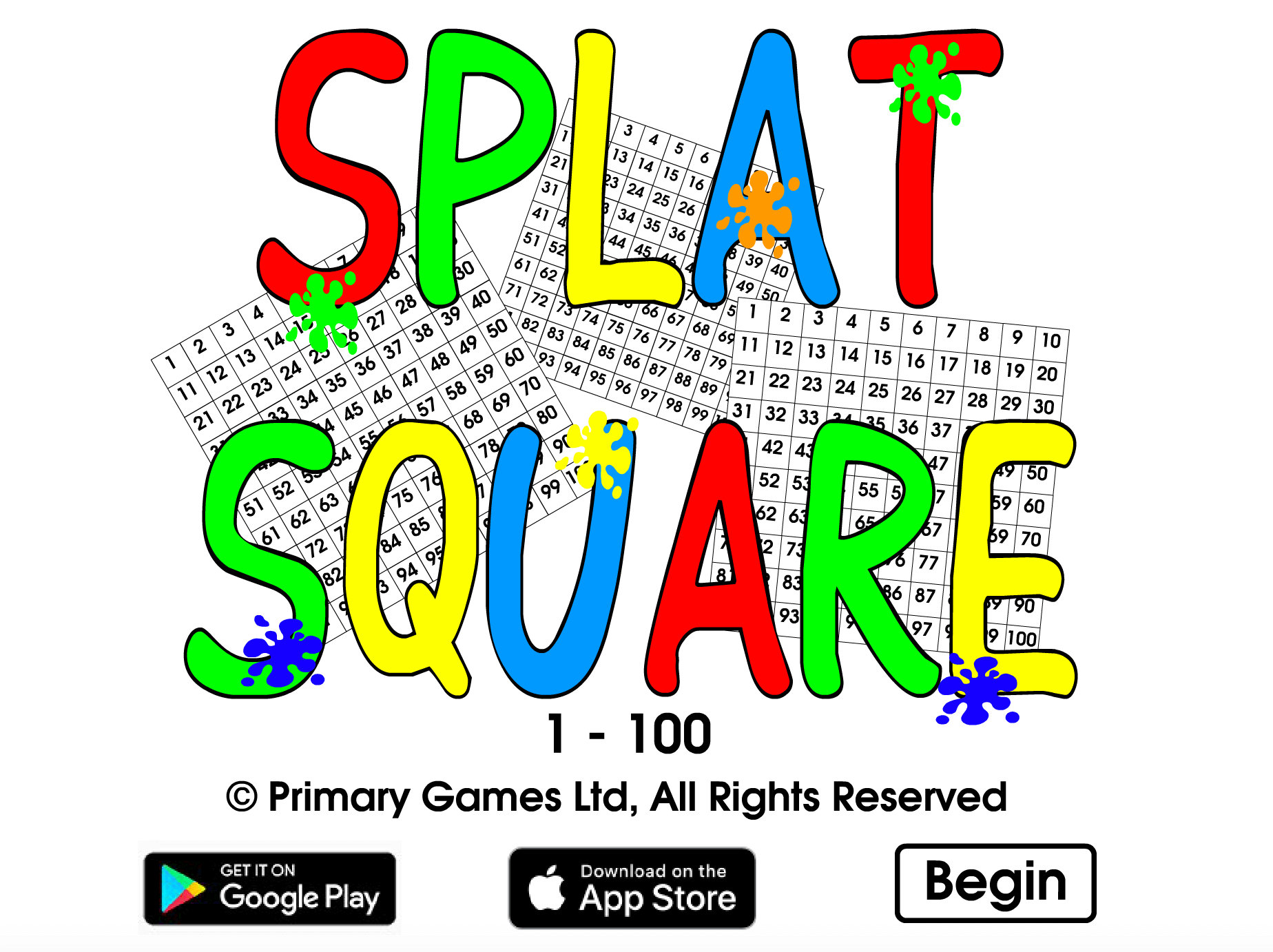
The 100th Day of School is the perfect time to revisit Splat. This online-based, free, sound-making chart is PERFECT for your special celebration. How might you use it?
Each of these explorations asks students to reason about numbers using structure rather than sequence, which leads to deeper math talk and justification.
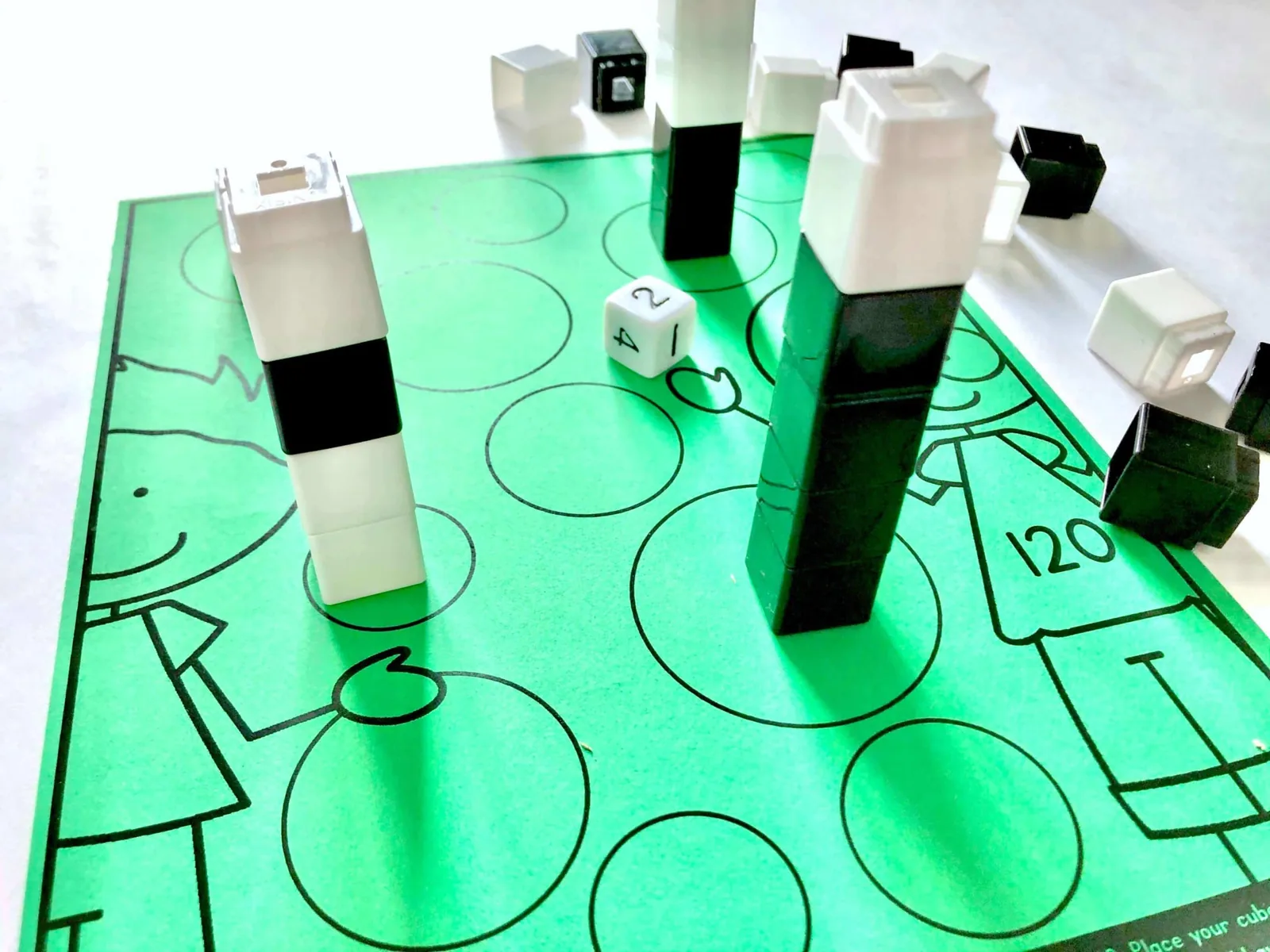
Close the Circle is a fun way to practice counting to 100 by 10s. Each linking cube represents 10 with students attempting to build towers of 100. When a circle has a tower of 100 it is closed. The students with the most closed circles at the end of the game wins. This is a low-prep game that only requires a dice, linking cubes, and the playing board. Plus, it’s a great way to concretely build an understanding of overflow or regrouping. When students “close” a circle and still have linking cubes left, they add them to a different circle! Building and regrouping in this way helps students see 100 as ten groups of ten, reinforcing place value as a meaningful structure instead of a procedure.
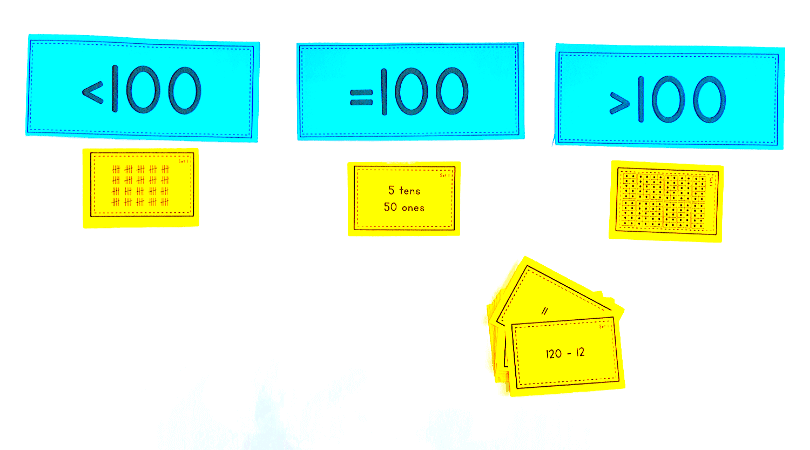
It’s important for students to be flexible in their math thinking. Recognizing that numbers can be composed and decomposed in different ways builds number sense. In this sort, students are given many different representations of 100 (tally marks, ten frames, place value, addition, subtraction) and are asked to integration their comparison skills. Is it 100 or is it greater/less than? Sorting representations pushes students to think flexibly about what makes 100 equal, greater, or less, rather than relying on one format. With 2 different header options and then, 3 levels of playing cards – all students will have the just-right challenge.
I intentionally use math centers on the 100th day because they allow students to work with structure in different ways. Some students need to build. Some need to talk. Some need to compare or represent numbers visually. Centers give students multiple entry points into understanding 100 without turning the day into worksheets or busy work.
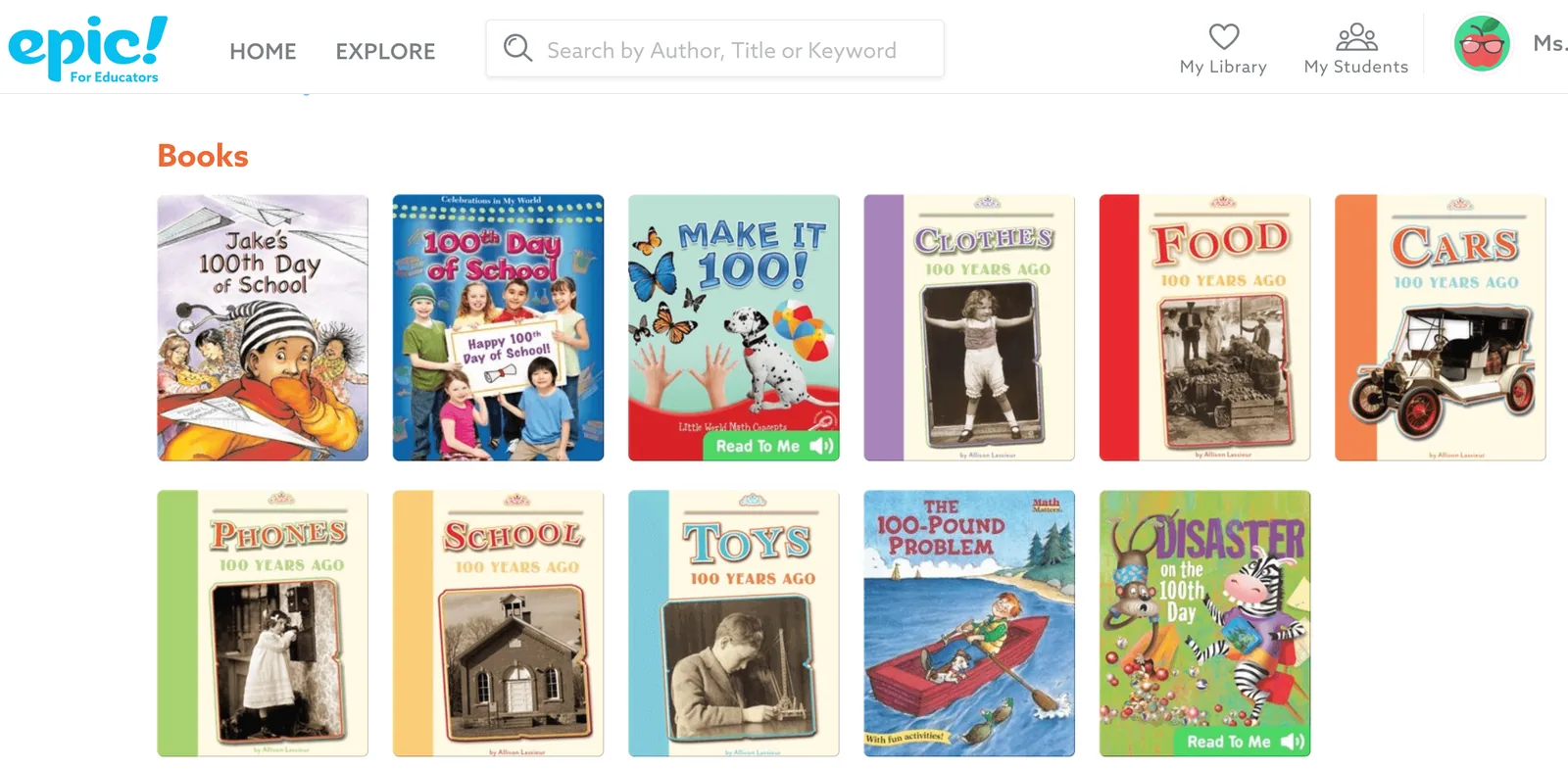
Epic Books for Kids has a great collection of 100th Day books. From looking at life 100 years ago to different ways to make 100 to what 100 pounds looks like, there are SO many awesome math connections. It’s a perfect way to integrate tech into your day, as well as, a bit of normalcy. Depending on your grade-level, you might have students work in pairs to read the books together. (Read more about EPIC here.)
So friends, here’s to a day of celebrating, reflecting, and small pockets of normalcy! The centers and resources shown in this post are ideal for the 100th Day of School celebrations OR any time of the year that your students are ready. When students understand how 100 is built, everything that comes next in place value, addition, and subtraction makes more sense. Additionally, all 7 games are provided in 100 and 120 versions to match your celebration and/or state standards.