I hope you’ll be joining us. Even if you’re not a blogger, you can still join us by commenting below in our blog posts, sharing your success stories, questions, reservations, and ideas!
The 1st chapter is all about how the second Daily 5 has changed since the first book was published. Here are the main differences I noticed and hold-on to as a teacher.
What does Daily 5 Look Like?
It begins with a description of a Daily 5 classroom and makes me smile. There is a hum in the room as students are working all in different parts of the classroom. The teacher is working with a single student or a group of students. Students know where classroom resources are and move comfortably and independently around the room. As students finish a round of Daily 5, they feel free to make another choice or confer with a friend. Reading and writing are happening.
I first read The Daily 5 the summer before teaching 5th grade, but ended up using a workshop model due to time contrasts…and a tremendous fear of – How do I start Daily 5? Moving to 1st grade, I jumped-in head first and throughout the year I saw the most tremendous growth. We all worked hard, and it truly paid off. My 1st grade friends left our classroom loving reading, books, and writing. Plus, their independence was incredible. So, as I read Gail and Joan’s description of a Daily 5 classroom, it makes my heart happy. We as teachers have the opportunity to create that environment!
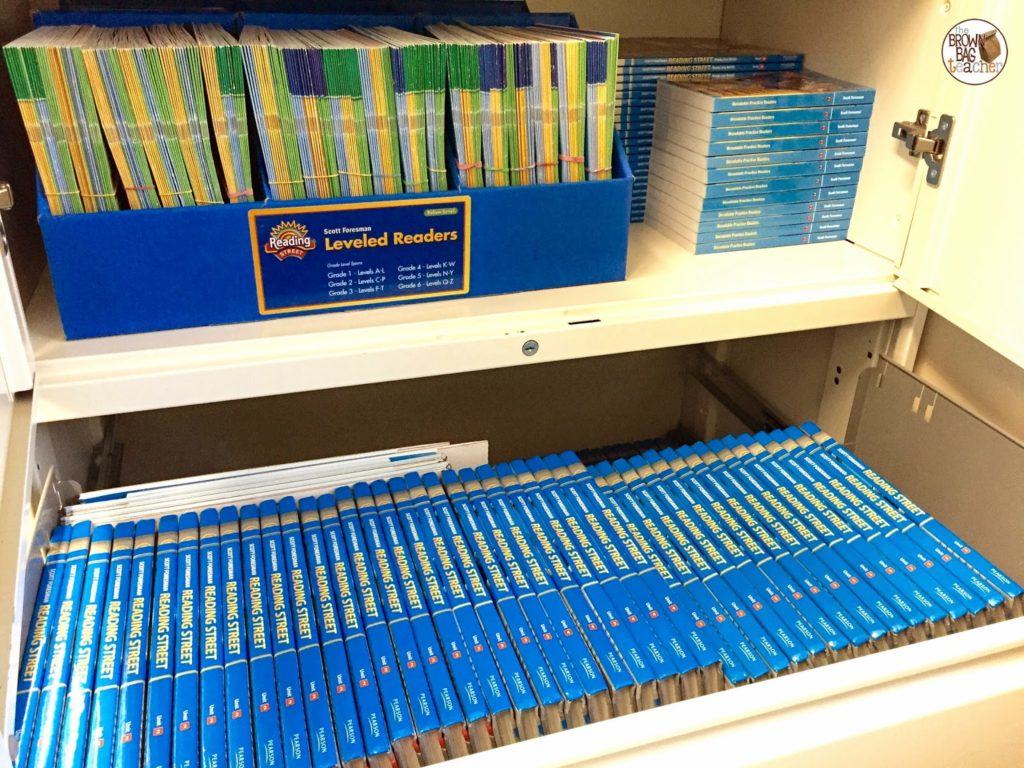
Gail and Joan also spend a chunk of this chapter discussing that Daily 5 and Daily 3 are structures for organizing your reading and math time. They do not contain any content. This means, whether you teach using a basal or content standards, you can make these structures work for you! Earlier this year, I shared how I make Reading Street (our school’s reading curriculum) merge with the Daily 5 focus in our classroom.
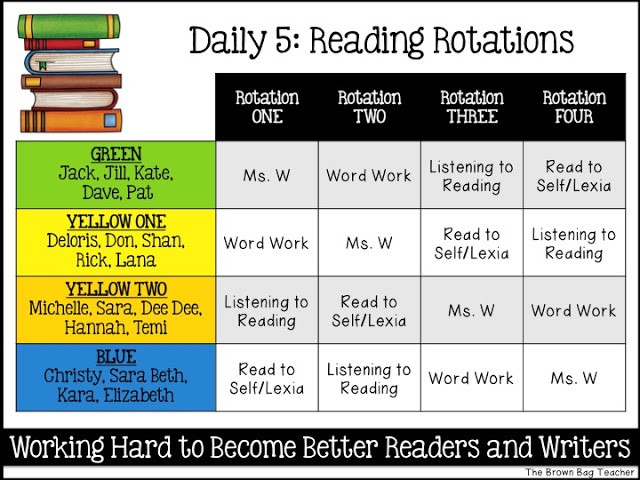
In this first chapter, you also see a huge push for flexibility. The first edition of Daily 5 is more like “these are the rules, follow them” and this 2nd edition supports the idea “do what works best for your classroom.” Specifically, Joan and Gail no longer suggest doing all 5 rounds of Daily 5 each day. For young students they suggest 3 and for older students with more stamina they suggest 2. Teacher truth?! I’ve never done all 5 rounds of Daily 5, there just isn’t enough time. We focus on 4 rounds each day and in the last quarter we moved to 3 rounds each day. You can read more about how I structure our first 9 weeks of Daily 5 (without choice) in this blog post.
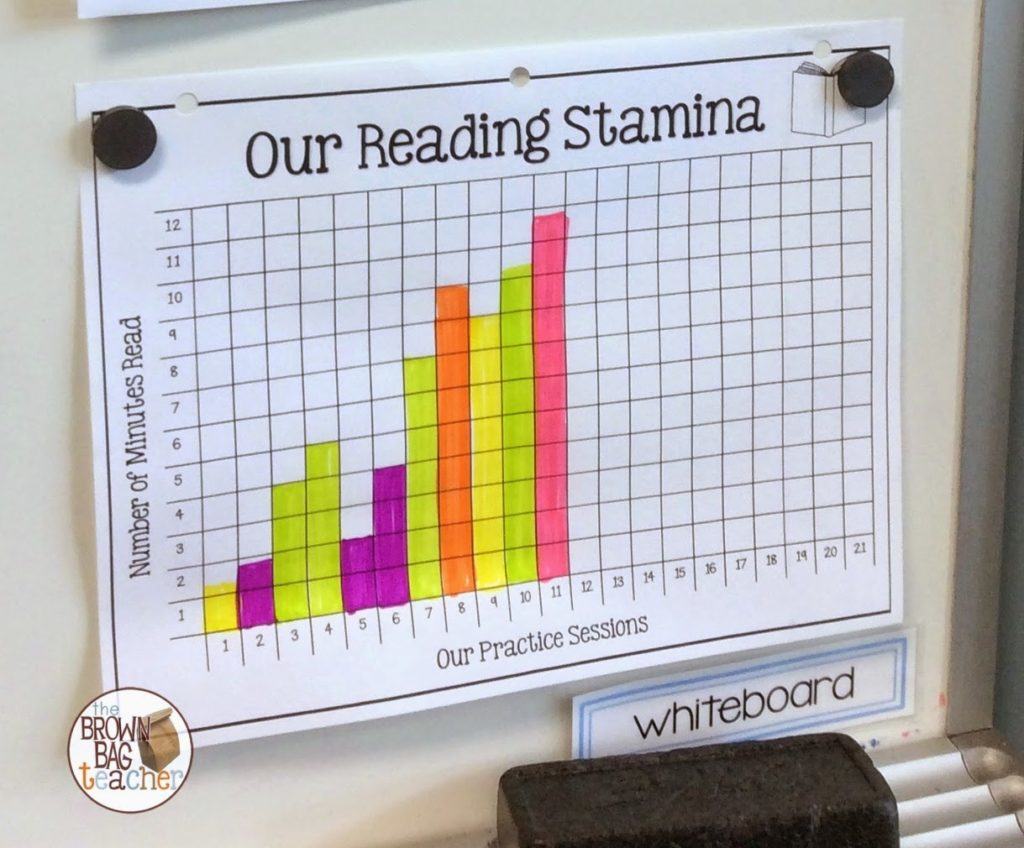
Additionally, the order in which you introduce choices has changed. Read to Someone is no longer second behind Read to Self. Work on Writing has now taken that position. They suggest we introduce the remaining elements in whichever order is most appropriate for the group. For my friends, I introduce read to self, read to someone, word work, listen to reading, and then, work on writing. I keep work on writing last because I find it takes my friends A LOT of time to build independence to the level where they can write for a full 15-20 minutes without breaking stamina. So, at the beginning of the year, we build reading and writing stamina!
In this 2nd Edition, we also see a section of content devoted to the Daily 3 – a structure for organizing our math time with math by myself, math with a friend, and math with my teacher. I coupled this with Guided Math starting in January, and fell in love. I can’t wait to dive-in head first in August!

The last section of Chapter 1 discusses how the Daily 5 works together with CAFE (Comprehension, Accuracy, Fluency, and Expand Vocabulary). I’ll be honest, this is where I need to refocus this year. I know these are the basics of Guided Reading, and I did not intentionally focus on each of these to goal-set with students. This year, our school and district will begin using Common Assessment, moving us away from our basal series. Although we already heavily supplement reading, it’s the perfect time to go back to the basics of CAFE and Fountas & Pinnell Guided Reading – intentionally planning small-groups around specific content skills. As I am reading Daily 5, I’m also working on CAFE.

So, friends, what did you think about Chapter 1? If you use Daily 5 in your classroom, are these changes actually changes for you and how will you organize your reading block? If you don’t use Daily 5, does this chapter make everything look a little more manageable? I’ve love to hear your ideas!

Read along with us and join the conversations here:
Get Free Teaching Resources!

Join me for weekly classroom updates and free resources that are just-right for your guided math classroom!
Hello friends! Today I'm joining a fabulous group of friends for an online book study of The Daily 5. Over the course of the next 8ish weeks, we'll … ebookbags.blogspot.com
Hi, I haven't graduated yet and I am currently completing my imternship. I have read a few chapters on your blog, as well as the other ladies and yours srands out to me the most. I am very in terested in this method and it seems to be something I would use when I am in my own classroom but it does seem like a lot to take on let alone in my first year of teaching. Do you think it would be a good idea to use this method in my first year or do you think it is something that is best used after I gain more experience?
I haven't bought the book yet bUT I plan to. I am wondering what kind of lessons you are teaching when you say 7 minute mini lessons? AND if they are to the whole class or individual groups? Thanks for any help