Vocabulary mapping offers students the opportunity to make connections between words, concepts, ideas, and illustrations to increase comprehension or check for understanding. Think about a concept map, but in real-life human form and even better – collaborative! Vocabulary mapping is a great resource for struggling readers and can help them learn vocabulary words a little easier.
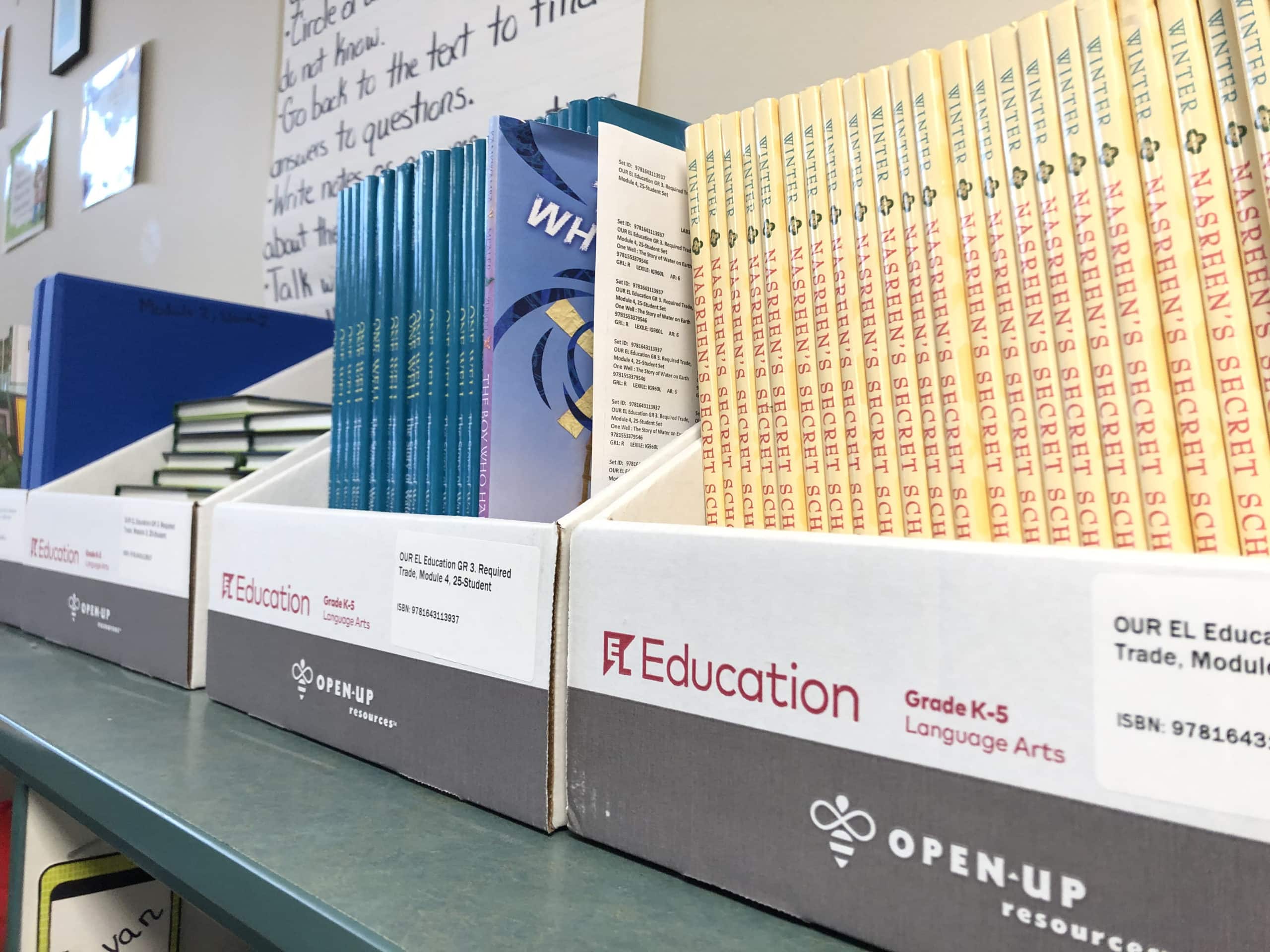
I first learned about vocabulary mapping from EL Education’s Protocol’s guide. I watched it in action in a middle-school classroom and knew that it would work in any age classroom. It’s a perfect way to use vocabulary cards and pictures found within your curriculums or leverage an existing word wall.
Literacy Skills We are Building
There are many unique skills being built when you use vocabulary mapping. Some reading and social skills your students will practice are:
- Making connections
- Explain our thinking so others can understand
- Summarizing a text or understanding of a topic
- Speaking in full sentences
- Speaking and Listening Skills
Examples of Vocabulary Mapping in Action
There are many ways to use a word map in the classroom. Identifying and figuring out what an unknown word means can be one of the most challenging standards for students, whether they are fluent readers or struggling readers. They often struggle to use the context clues around the world to help them. However, using vocabulary mapping and giving them connections allows them to see the word within a bigger picture.
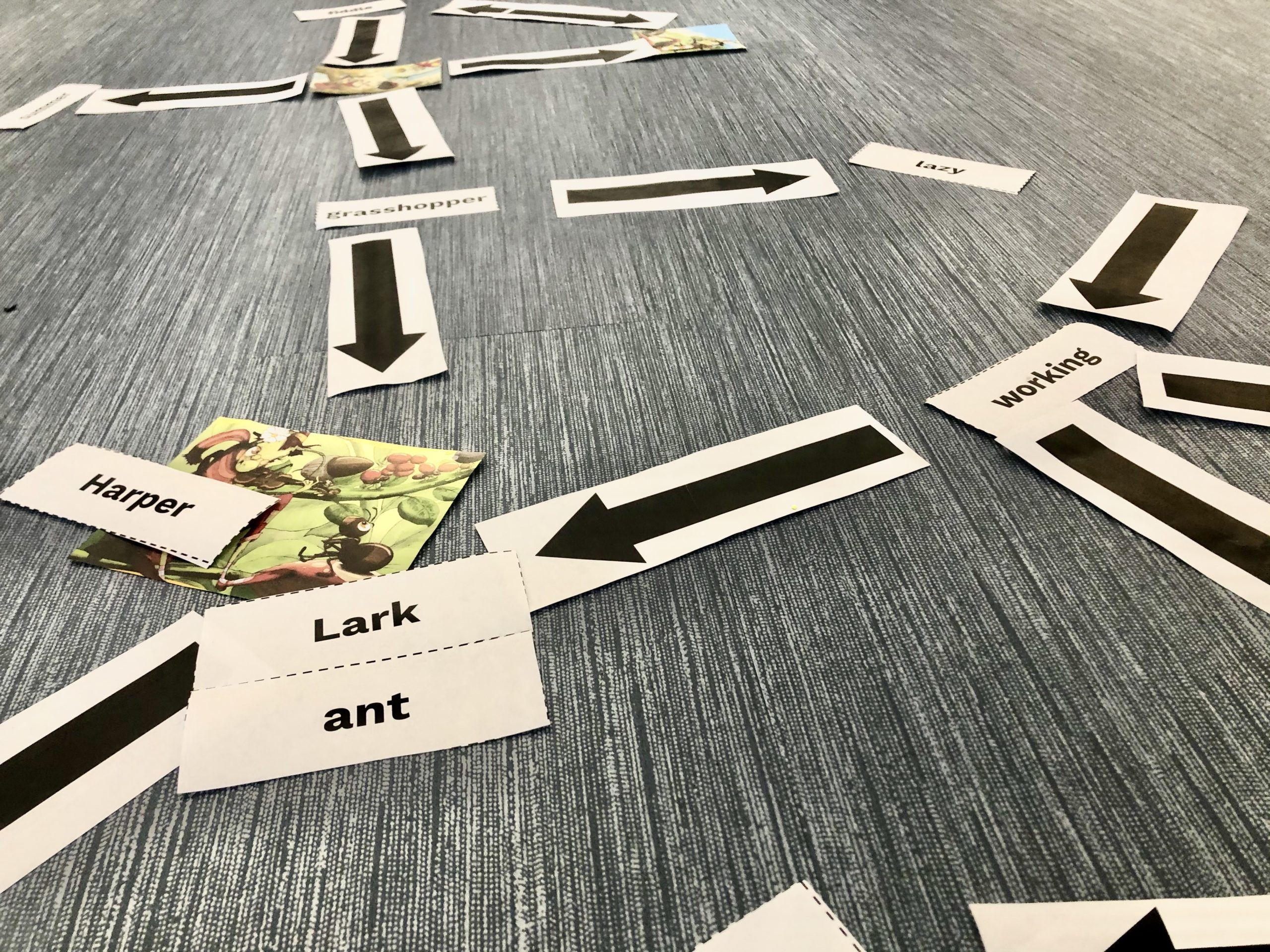
Students must explain the connection between the words or concepts. This often means they must give a definition in their own words. Something that really helps them synthesize the word.
- I connected _______ with _______ because…
- In the text it said _______, so I knew _______ and _______ belonged together.
- _______ is connected to _______ because both show/tell/describe _______.
The teacher is a monitor or a guide of the lesson. The students are doing the teaching and are using the interactive graphic organizer to not only learn vocabulary and definitions. But also specific concepts with the subject area.
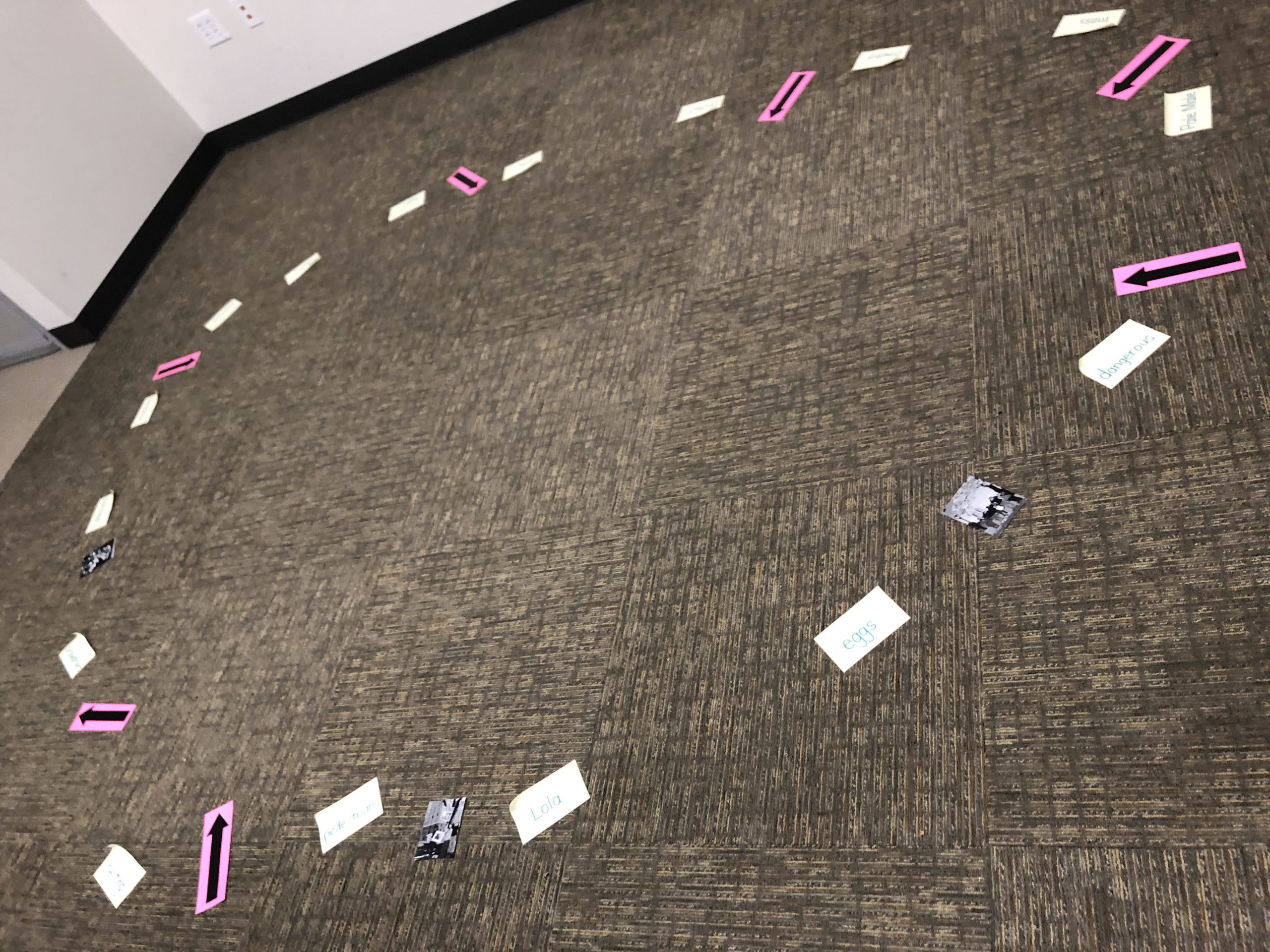
Some of the best times to use vocabulary mapping are with:
- Professional Learning – Have teachers link ideas, student data, instructional strategies, and so much more. Remember, the goal isn’t the map, it’s the CONVERSATION about it.
- Science and social studies concepts – making connections, comparing/contrasting concepts
- Math – number representations (ten frames, dominoes, finger patterns, dice), addition/subtraction equations, math vocabulary matched with example problems
- ELA passages where students are asked to summarize a text to determine a main idea or theme. In informational texts, students are asked to connect ideas, historical events, and scientific processes. This is a PERFECT activity.
Online Alternative For Word Maps
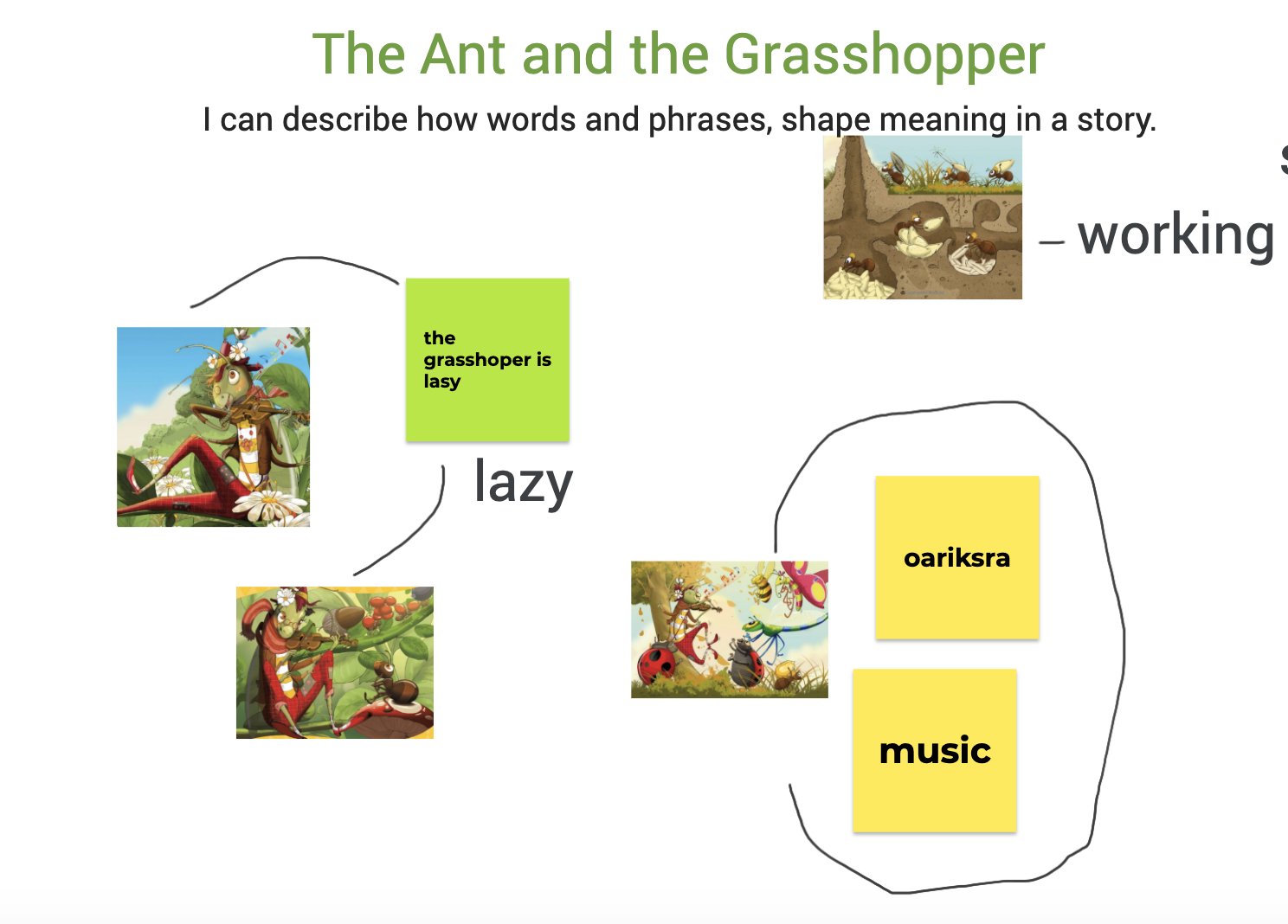
Many schools are including virtual days into their year to allow for more teacher planning, or if you are looking for a way to allow your students to jump on their Chromebooks for some quick review. You can easily turn your vocabulary map into an interactive online piece. One of the best ways I have found to make it digital is using Google Jamboard. It is much like a whiteboard and students can add on to the board and collaborate, even if they are at a different house, or on different sides of the room.
Adapting Vocabulary Mapping to Fit Your Needs
There are a ton of ways you can adapt an interactive word wall to fit your grade level or need. It does not always have to be able a core subject. I have seen teachers use this activity for a getting to know you activity, a group puzzle activity, and even a holiday activity. It is so simple to set up, you can easily laminate and use the arrows over and over for every vocabulary map you decide to make. You can also laminate the concept/vocabulary cards to use those again year after year.
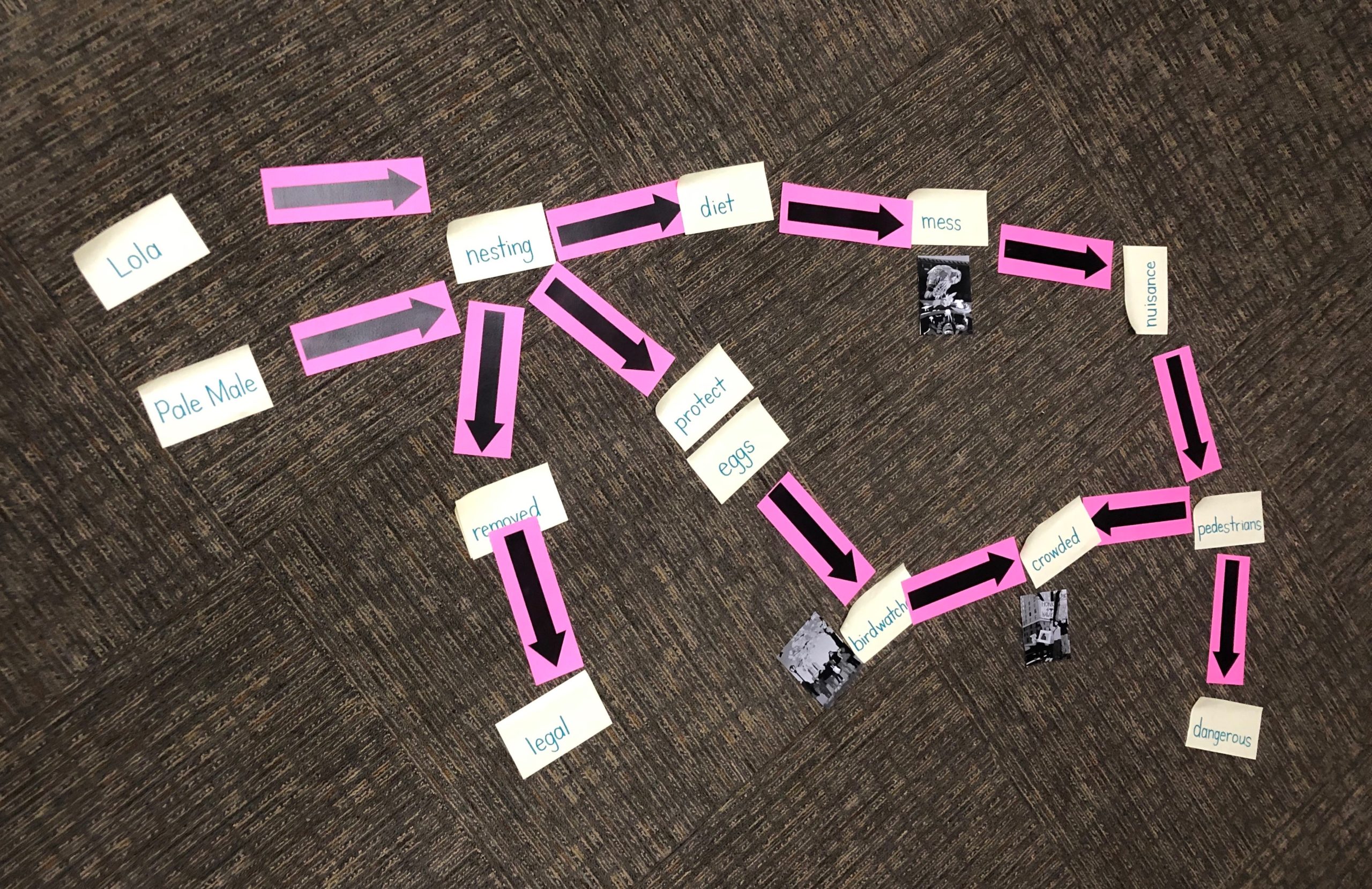
Some different (fun/educational) ways to use a word map are:
- Getting to know classmates (class photos, objects, etc)
- Understand school procedures
- Have students use dry erase markers to draw connections on their desk
- Ask students to make connections and then have partner explain the connections
- Math – making connections 3D shapes or number representations
Start Seeing The Benefits In Your Classroom
The development of your own interactive word wall is very easy and really only requires cardstock, laminating pouches, and a printer (Snag your Google Slides template here.). The knowledge your students will gain is incredible and I promise you will look for ways to include vocabulary maps in every subject you can!

I needed to thank you for this great read!! I definitely enjoyed every little bit of it. I’ve got you bookmarked to look at new things you post?
Hello there! I could have sworn I?ve visited this web site before but after going through some of the posts I realized it?s new to me. Regardless, I?m definitely happy I stumbled upon it and I?ll be bookmarking it and checking back frequently!
Hello there! I just would like to offer you a big thumbs up for the excellent information you’ve got right here on this post. I’ll be returning to your site for more soon.
Hello there! I just would like to offer you a big thumbs up for the excellent information you’ve got right here on this post. I’ll be returning to your site for more soon.
A fascinating discussion is worth comment. I do believe that you should publish more about this subject, it might not be a taboo matter but typically people don’t speak about these topics. To the next! All the best!!
Interested in online sports betting? here’s my site: okbet sports